

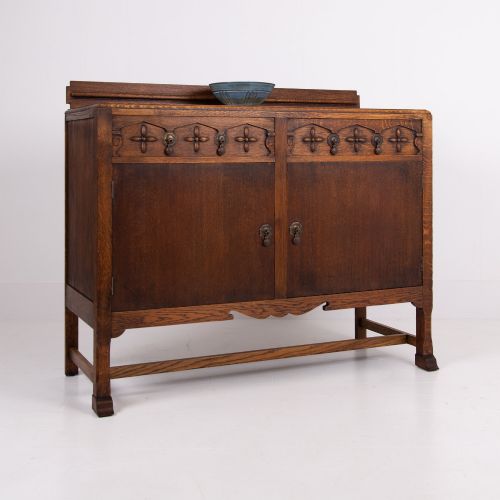
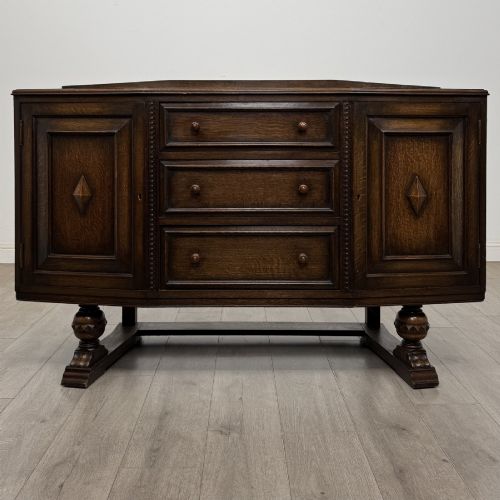
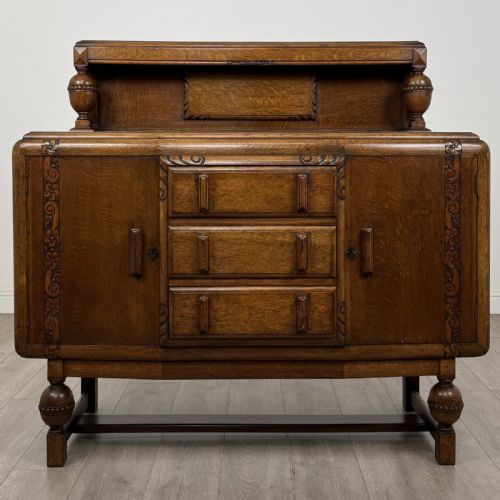
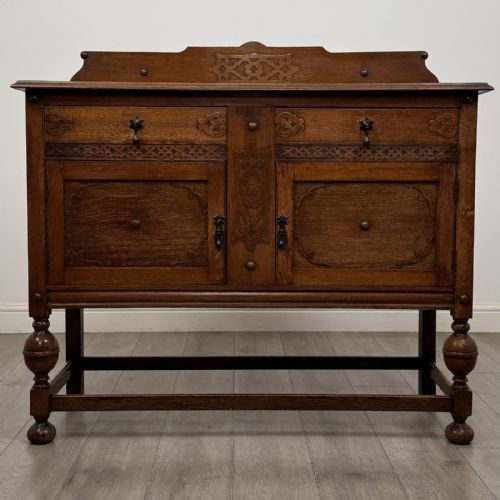
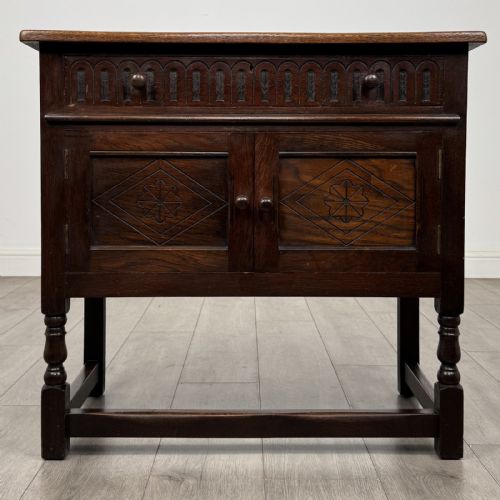
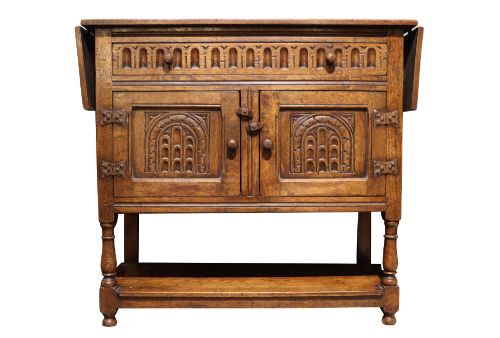
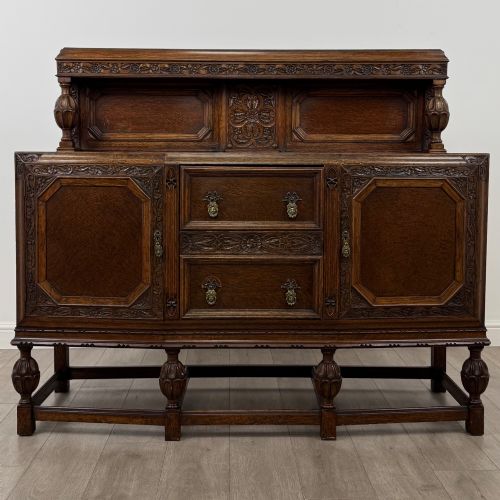
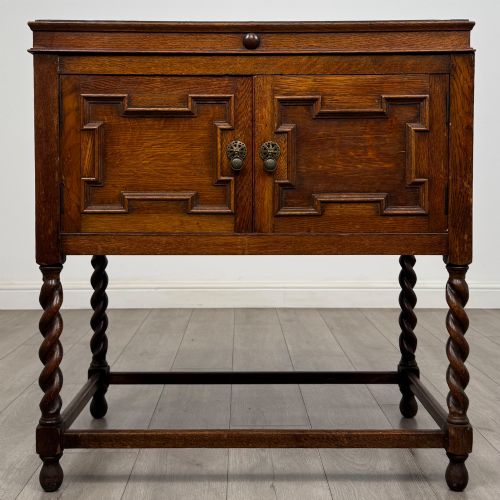


Jacobean Buffet Cabinet
A jacobean buffet cabinet brings heavy timber presence and historic joinery into a modern room.
Jacobean Buffet Cabinet
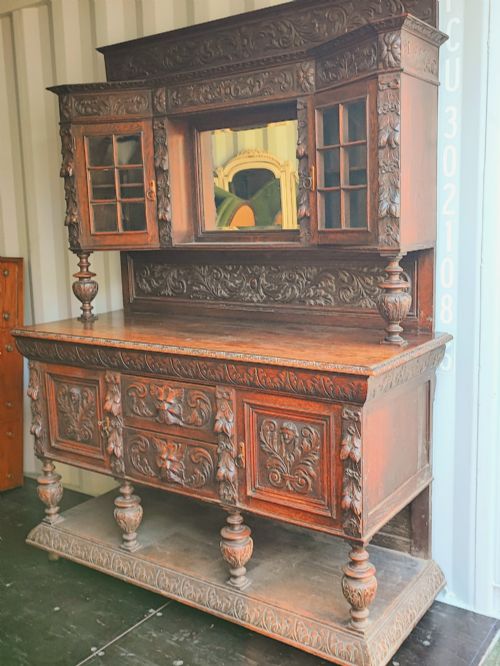
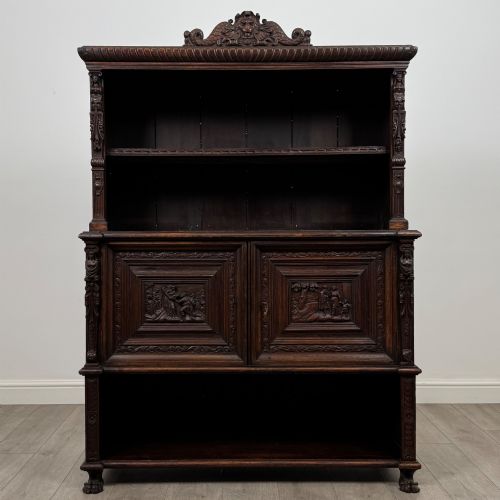
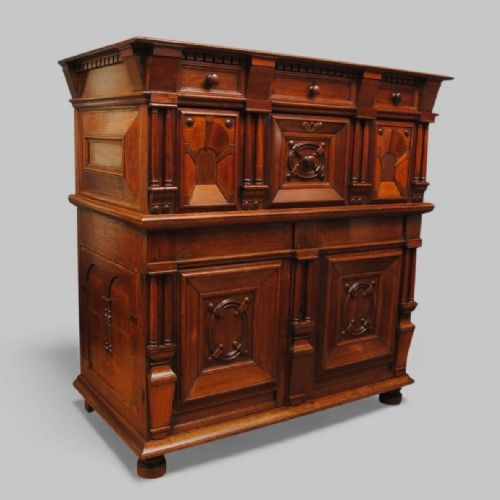
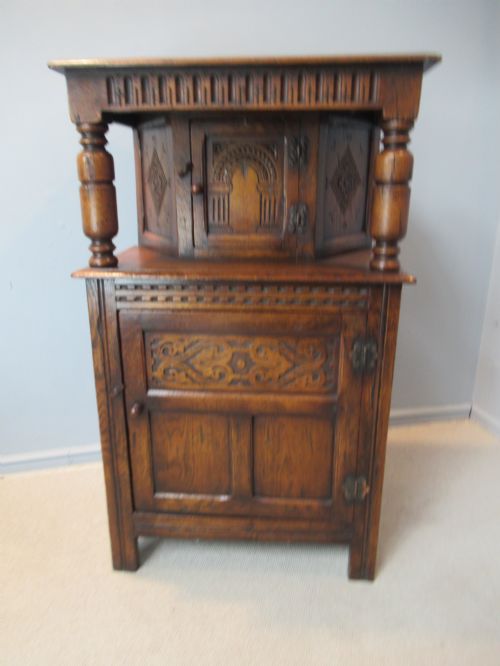
When you search for a jacobean buffet cabinet, you encounter sturdy storage furniture built around solid timber construction. These pieces span from authentic seventeenth-century examples featuring original panel work to later revival pieces produced across the Victorian and Edwardian eras.
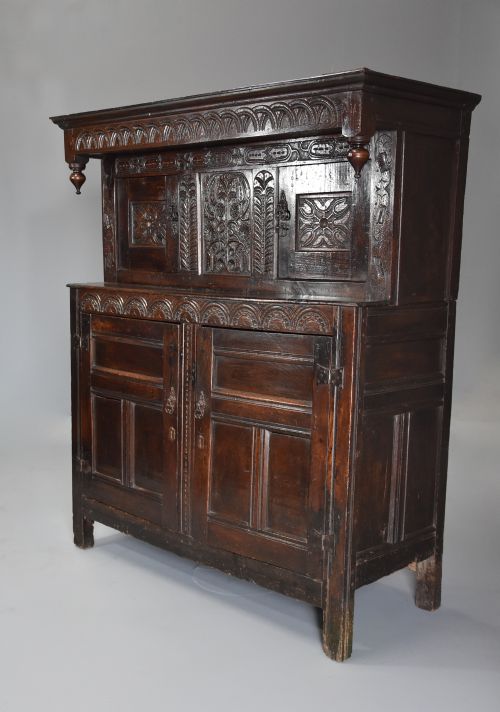
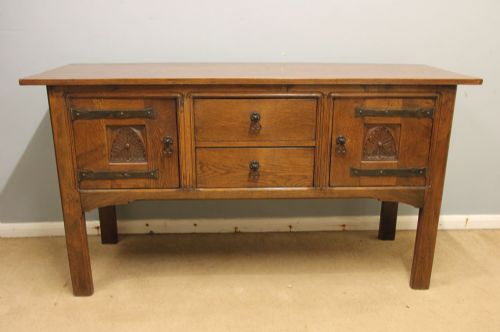
The form typically manifests as a court cupboard, press cupboard, or low sideboard fitted with drawers and doors. You will frequently meet twentieth-century revival versions alongside genuine period items dating back to the sixteen-hundreds.
Makers designed these items for dining rooms and halls to store provisions and display plate. The proportions remain substantial, often utilising a multi-tiered structure with enclosed lower sections and recessed upper stages.
Materials and construction methods
Craftsmen built these cabinets primarily using solid oak, sometimes combining walnut, fruitwood, and secondary timbers within internal elements. Carpenters employed traditional frame and panel joinery, utilising pegged mortise and tenon joints to stabilise the heavy framework.
Surface ornamentation relied heavily on hand carving, showing strapwork, floral motifs, and geometric panels. Turners shaped supports into characteristic barley twist legs or columnar posts, while hardware consisted of iron hinges and brass face handles.
Jacobean Buffet Cabinet Retail Price Guide 2026
Typical asking prices for jacobean buffet cabinet among the pieces listed under this phrase on Sellingantiques today, from the lower quarter to the upper quarter. They describe what is for sale here now, not the wider market.
Distinguishing quality factors
Quality rests upon the integrity of the timber and the crispness of the hand carving. Early seventeenth-century pieces derive distinction from untouched original patina and minimal timber replacement, whereas revival examples depend on the depth of the relief carving and the weight of the oak used.
Structural soundness dictates everyday utility, separating items with intact stretcher bases and original panel work from those altered during later centuries. The finesse of the turned legs and the smoothness of fitted drawers further indicate workshop competence.
Maple and Co
The Jacobean Buffet Cabinet Glossary
- Court cupboard
- A heavy oak storage piece featuring an upper and lower section, traditionally used for displaying plate and storing food. It represents a primary form within this furniture group.
- Livery cupboard
- A ventilated cabinet used originally for storing rations and candles in great houses. The doors frequently incorporate turned spindles to allow air circulation.
- Press cupboard
- A tall enclosed storage unit featuring lower doors and an upper cupboard section used for linen. These pieces rely on heavy frame and panel construction.
- Barley twist
- A spiralling decorative turning applied to table legs and support posts. This technique gained popularity during the seventeenth century and returned in later revival periods.
- Stretcher base
- A horizontal wooden rail connecting the lower legs of a cabinet for added stability. It prevents the heavy frame from shaking.
Jacobean Buffet Cabinet: Frequently Asked Questions
How do I date a jacobean cabinet?
Dating relies on examining the timber grain, tool marks, and construction joints. Seventeenth-century examples show hand-riven oak boards and pegged joints.
Revival pieces from the twentieth century often display machine-cut timber and standardised fixings behind historic styling.
Where should I place this cabinet?
These cabinets suit dining rooms, hallways, or living spaces where substantial timber furniture anchors the room. Their depth requires adequate floor space.
Keep them away from direct heat sources and strong sunlight to protect the aged oak surface and prevent timber splitting.
How do I care for antique oak?
Maintain the wood by applying bees-wax occasionally and buffing with a soft cloth. Avoid modern silicone sprays that damage historic patina.
Ensure indoor humidity levels remain stable to prevent the timber joints from loosening over time.