



Ivory Porcelain Sculpture
These ivory porcelain sculpture pieces offer delicate Victorian and Edwardian figures created through historic ceramic traditions.
Ivory Porcelain Sculpture
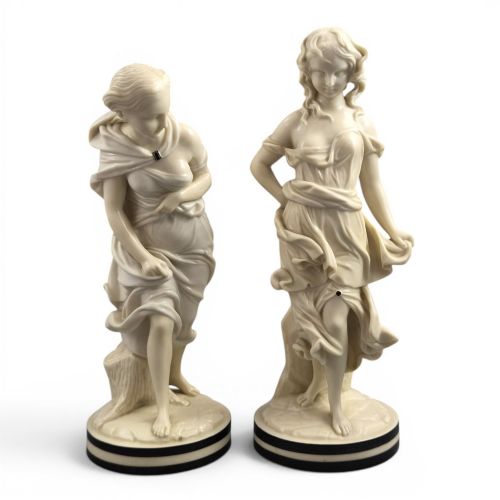
When you search for an ivory porcelain sculpture, you encounter figural ceramics ranging from Victorian classical revivals to Art Deco flappers. These works include decorative figurines, jardinières, and sculptural maidens produced by prominent factories.
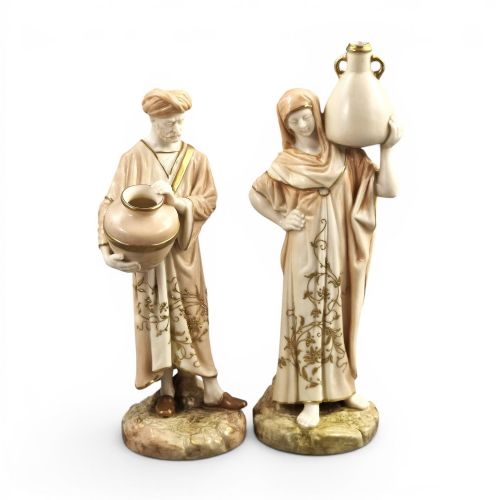
The versions most commonly met on this page span the late nineteenth and early twentieth centuries, featuring subjects such as water carriers, musicians, and dancers. Their origins trace to established English manufacture periods from the Victorian era onward.
How they were made
The primary material is porcelain, often finished with a specialised blush ivory glaze that gives the ceramic a soft, matte appearance. Makers frequently enhanced these surfaces using gold leaf, gilding, and hand-painted enamel details.
Individual model numbers and sculpted bases indicate careful mould work and hand-finishing by skilled modellers. Firing techniques achieved the delicate biscuit texture associated with parian ware and related porcelain bodies.
Ivory Porcelain Sculpture Retail Price Guide 2026
Typical asking prices for ivory porcelain sculpture among the pieces listed under this phrase on Sellingantiques today, from the lower quarter to the upper quarter. They describe what is for sale here now, not the wider market.
The listings here feature porcelain, enamel, and gold leaf applied across Victorian, Edwardian, and Art Deco styles.
What varies in quality
Quality rests upon the crispness of the modelling in the figures and the subtlety of the glaze application. Pieces designed by named modellers typically display finer detail in drapery and facial expressions.
The preservation of gilt accents and delicate extremities distinguishes superior examples from standard production pieces. Scale also plays a role, with larger sculptural groups demanding greater technical mastery in firing.
Royal Worcester·Royal Dux·James Hadley
The Ivory Porcelain Sculpture Glossary
- Blush ivory glaze
- A soft, creamy ceramic finish developed to imitate the warm tone of natural ivory. It provides a tactile, matte surface common on Victorian decorative figures.
- Parian ware
- A fine-grained, unglazed porcelain resembling white marble, named after Parian marble from the Greek island of Paros. It was widely utilised for nineteenth-century portrait busts and statuary.
- Shot enamel
- A specialised decorative technique involving metallic oxides that produce a shimmering colour change across the surface of the ceramic when viewed from different angles.
- Jardinière
- An ornamental ceramic pot or stand designed to hold plants or flowers. In sculptural forms, figures often lean against or incorporate the vessel into the design.
Ivory Porcelain Sculpture: Frequently Asked Questions
What periods do these sculptures cover?
The listings span from the Victorian era through the Edwardian period into the 1920s and 1930s. Works from the late nineteenth century often feature classical or orientalist revival themes.
Later pieces transition towards cleaner lines associated with Art Deco design. Each era reflects shifting tastes in ceramic modelling and glaze technology.
How were these decorative figures used?
These pieces served as interior ornaments for mantelpieces, drawing rooms, and side tables in grand homes. Certain forms, such as jardinières, combined sculptural figures with functional vessels for displaying plants.
They functioned primarily as status symbols demonstrating refined taste in domestic decoration. Their intricate detail encouraged close inspection by guests in a parlour setting.
How do I care for antique porcelain?
Keep porcelain away from direct sunlight to preserve hand-painted enamel and gilt details. Dust gently with a soft, dry brush without applying abrasive cleaners.
Handle pieces by their sturdier sections rather than delicate extremities like fingers or musical instruments. Secure placement on a stable surface prevents accidental tipping.
How do I identify different styles?
Victorian examples frequently display ornate classical drapery, naturalistic tree stumps, and elaborate orientalist costumes. Look for romantic or allegorical subjects that mirror nineteenth-century artistic conventions.
Art Deco figures reveal themselves through stylized geometric clothing, simplified poses, and modern hairstyles. Comparing base markings and registered model numbers also clarifies the period of manufacture.