






Italian Stone Pedestals
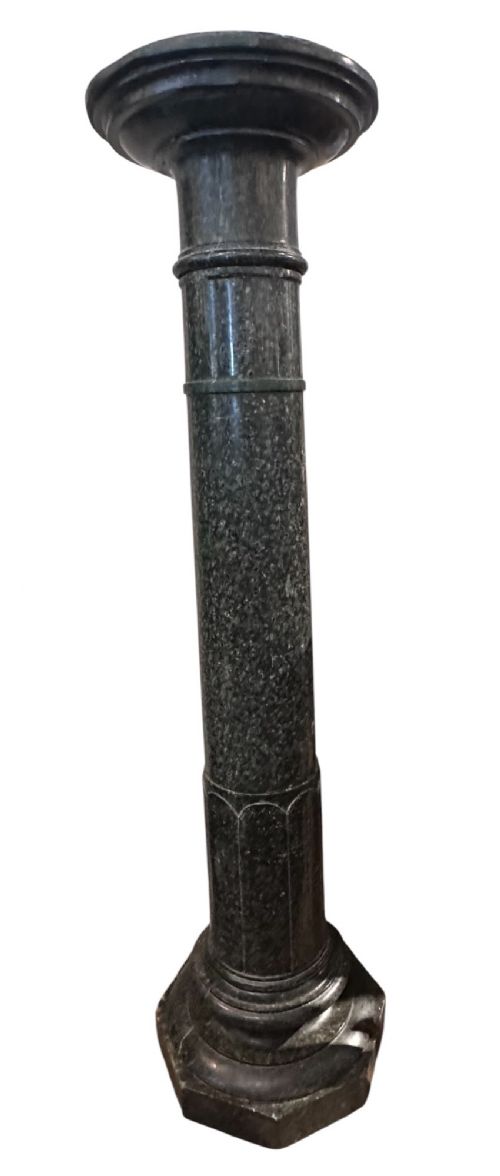
These Italian stone pedestals bring classical architecture and carved marble into a room with genuine presence.
Italian Stone Pedestals
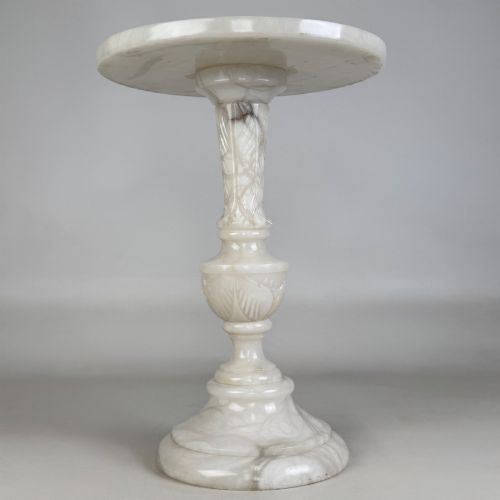
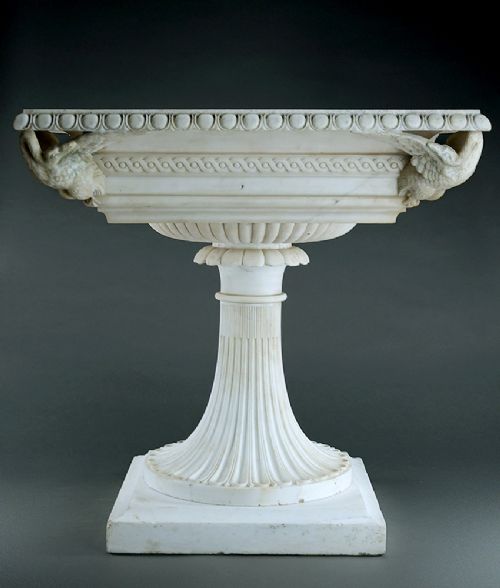
When you search for italian stone pedestals, you find carved supports, columns, and display stands rooted in centuries of classical tradition. These pieces range from substantial nineteenth-century architectural elements to decorative plant stands and torchere supports designed to elevate sculpture or display objects.
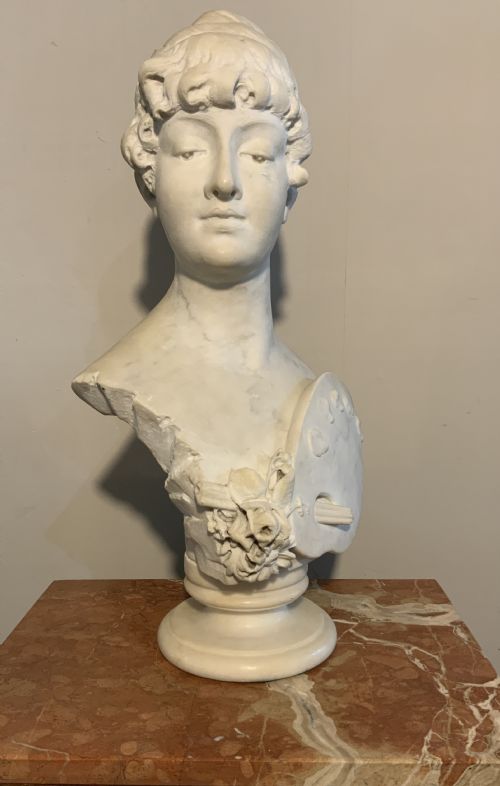
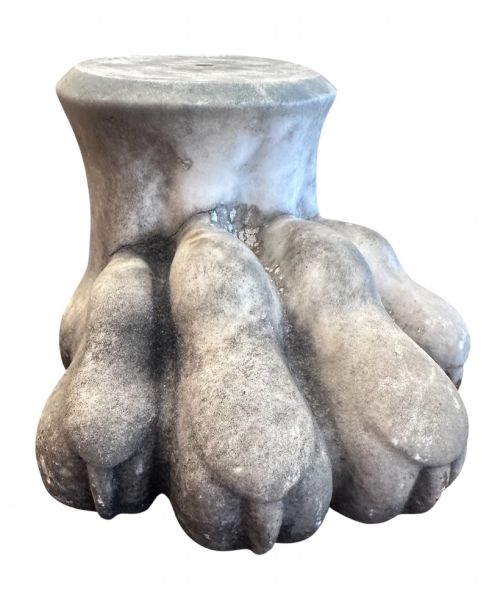
The versions met most often on this page date from the nineteenth century, including Grand Tour souvenirs and revival pieces carved in marble, alabaster, and stone. Alongside tall floor-standing columns, the selection encompasses related tables, urns, and sculptural fragments reflecting neoclassical and baroque tastes.
Originating primarily from Italian workshops, these items utilise local mineral resources such as Carrara marble, Sienna marble, and translucent alabaster. Their forms draw directly upon antique architectural vocabulary, serving as decorative statements in period and contemporary interiors alike.
Materials and carving techniques
The primary materials visible across these listings are marble and alabaster, complemented by specialist stones like Verde Antico, Antico Rosso, and Scagliola. Craftsmen shaped these dense materials using traditional hand-carving techniques, turning columns on lathes and hand-chiselling capitals and bases.
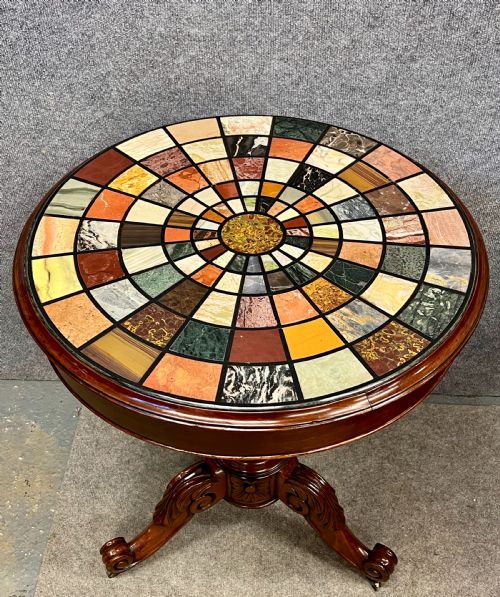
Surface decoration frequently involves pietra dura inlay, where coloured stones are precision-cut and fitted into marble slabs to create intricate geometric or floral patterns. Brass mounts and fabric elements occasionally provide structural support or decorative contrast to the carved stone bodies.
Italian Stone Pedestals Retail Price Guide 2026
Typical asking prices for italian stone pedestals among the pieces listed under this phrase on Sellingantiques today, from the lower quarter to the upper quarter. They describe what is for sale here now, not the wider market.
The material palette recorded on this page extends to specialist decorative mediums including pietra dura inlay, Verde Antico, and Scagliola.
Assessing quality in carved stone
Quality rests primarily on the purity and selection of the stone, the depth and crispness of the carving, and the fidelity of the classical proportions. Finer examples display meticulous hand-finishing on acanthus leaves, fluting, and figural details, whereas simpler pieces rely on plain turned columns with minimal ornamentation.
The Italian Stone Pedestals Glossary
- Carrara marble
- A type of white or blue-grey marble quarried in the city of Carrara in Tuscany, widely used for classical sculpture and architectural elements.
- Grand Tour
- A traditional trip of Europe undertaken by upper-class European young men of sufficient status, resulting in the acquisition of art, antiquities, and specimen stone souvenirs.
- Pietra dura
- An artistic technique of using cut and fitted polished coloured stones to create images and geometric designs on stone surfaces.
- Scagliola
- A composite substance made from selenite, glue, and pigments, painted and pivoted to imitate marbles and other fine stones.
- Torchere
- A tall stand or pedestal originally designed to carry a torch or candle, later adapted to support lamps, urns, or decorative plants.
- Verde Antico
- A dark green serpentine breccia marble historically prized for columns and decorative architectural details in Italian design.
Italian Stone Pedestals: Frequently Asked Questions
How were these stone pedestals used?
They served primarily to elevate sculptures, busts, urns, and lamps within grand interiors, effectively framing works of art.
In domestic settings, smaller versions functioned as plant stands, torchere supports, or specialised occasional tables for display.
How do I care for antique marble?
Dust the stone regularly with a soft, dry cloth and avoid harsh chemical cleaners that can etch polished marble surfaces.
Use coasters or protective felt pads beneath objects placed on tabletops to prevent scratches and moisture rings.
How do I tell nineteenth-century pieces apart?
Nineteenth-century examples often reflect Grand Tour aesthetics, neoclassical revival styles, or precise hand-carved detailing in specific regional marbles.
Examining the tool marks, the choice of mineral, and the wear patterns on the base helps distinguish period items from later reproductions.