
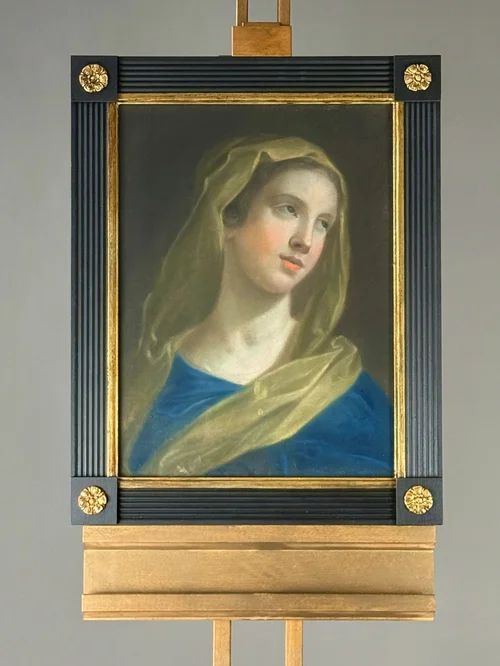
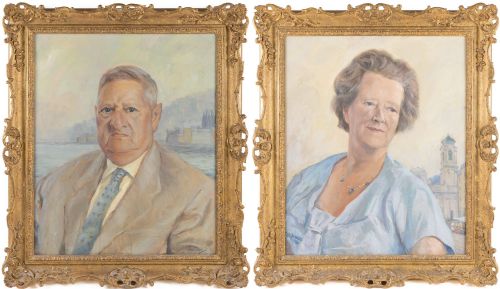
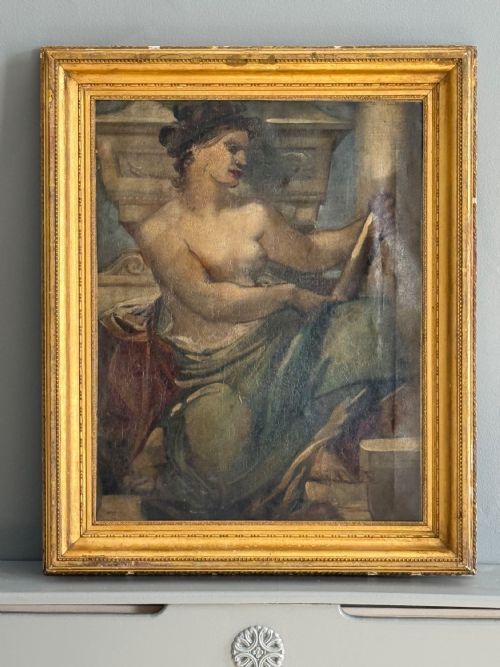
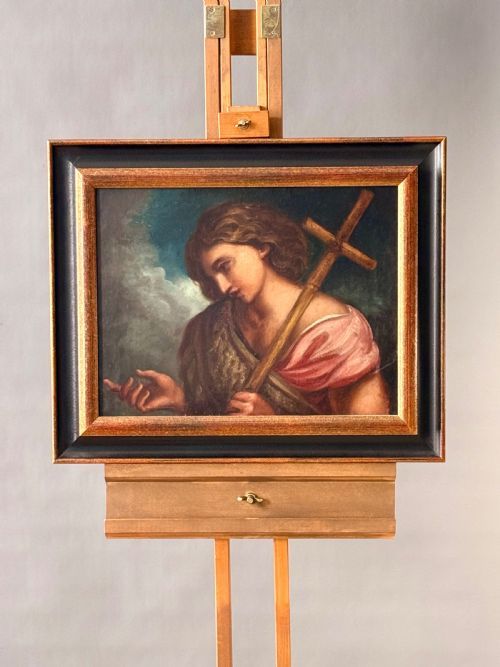




Italian School Framed Painting
An italian school framed painting brings centuries of continental draftsmanship, religious narrative and sunlit landscape directly into a room.
Italian School Framed Painting
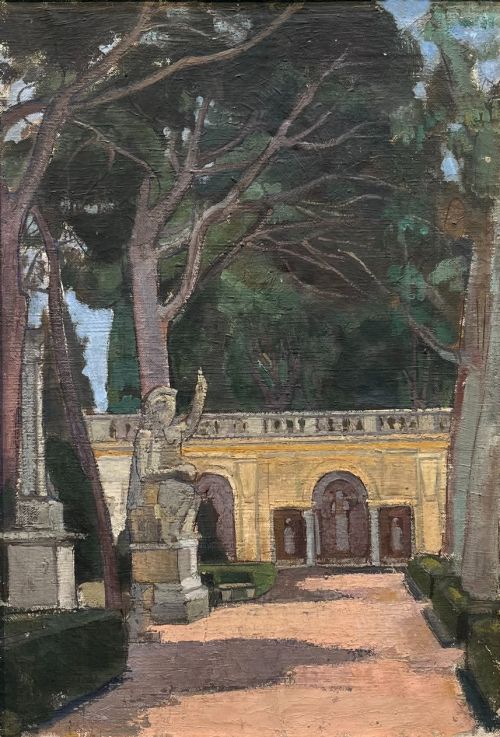
The phrase italian school framed painting encompasses works originating from various regional artistic traditions across Italy, spanning from the sixteenth century through to the mid-twentieth century. Buyers encounter devotional panels, grand tour landscapes, portrait studies, and historical scenes housed within period surrounds.
The selection ranges from early works attributed to specific regional circles like the Romagnola or Venetian schools up to later nineteenth-century genre scenes and mid-twentieth-century portraits. Many items arrive mounted in swept gilt frames, carved wood, or gilded wood mouldings that complement the historic nature of the canvas or paper.
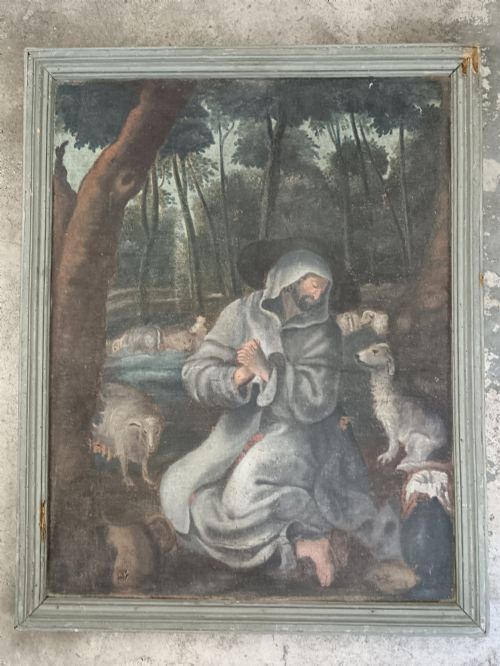
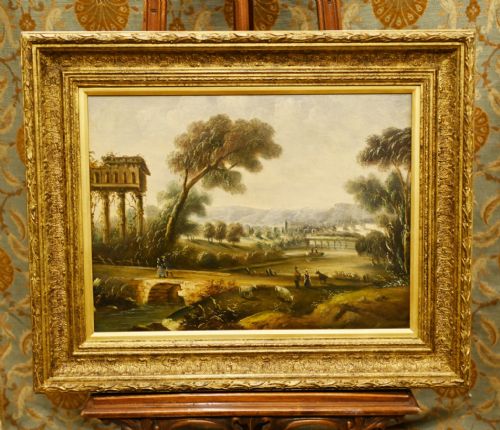
Religious subjects dominate the earlier periods, depicting figures such as Saint Francis, the Madonna, and various biblical narratives in the manner of established masters. Conversely, later pieces often turn toward pastoral views of Tuscany, bustling Neapolitan harbours, and intimate portraiture of Italian women.
Materials and Techniques
The primary medium recorded across these works is oil paint applied to canvas or wood panels, accompanied by occasional watercolours on paper. Artists utilised traditional grounds and pigments to build rich, layered compositions that sometimes reveal underdrawing or pentimento upon closer inspection.
Framing is an integral component of the physical evidence, featuring handcrafted wooden structures embellished with gold leaf and giltwood. These surrounds often reflect the aesthetic of the period, from ornate baroque configurations to revival styles designed to house the artwork securely.
Keep an eye out for hidden pentimenti where an artist changed their mind mid-stroke, leaving a ghostly footprint beneath the paint.
Assessing Craftsmanship and Condition
Quality within these historic works rests upon the dexterity of the brushwork, the depth of anatomical or spatial understanding, and the preservation of the original surface. Pieces demonstrating confident handling of light, shadow, and narrative expression stand apart from simpler decorative copies.
The integrity of the support material and the surrounding frame also influence the overall standard. Original giltwood frames that retain their historic leaf and structural stability enhance the piece, whereas excessive overpainting or compromised canvas supports alter the balance of the surviving art.
Benedetto Luti·Icilio Federico Joni·Vincenzo Irolli·Federico Andreotti
The Italian School Framed Painting Glossary
- Pentimento
- A visible trace of earlier painting beneath a layer of paint, showing where the artist changed their composition. This alteration confirms the hand of the painter working directly onto the canvas.
- Giltwood
- Wood that has been treated with a thin layer of gold leaf or gilt powder for decorative effect. It forms the primary material for many ornate antique frames.
- Grand Tour
- A traditional trip of Europe undertaken by upper-class European young men of the 18th and 19th centuries to flourish their taste. Artworks collected on these journeys often featured pastoral landscapes and local scenery.
- Renaissance Revival
- An artistic movement drawing inspiration from the art and architecture of the 15th and 16th centuries. Works in this style adapt classical composition and religious motifs for later audiences.
- Tavolette
- Small painted wooden panels, often used historically for book covers or devotional objects. Examples like those from the Sienese Biccherna tradition feature intricate surface decoration.
Italian School Framed Painting: Frequently Asked Questions
What defines an Italian school painting?
An italian school painting originates from artists trained within Italian regional traditions or working closely in the manner of established Italian masters. These works span centuries of religious, portrait, and landscape subjects.
The attribution often denotes a connection to a specific geographical circle or artistic lineage rather than a single documented hand. This classification helps collectors understand the stylistic influences and regional techniques present in the artwork.
How should I care for an antique oil painting?
Antique oil paintings require stable environmental conditions away from direct sunlight, high humidity, and rapid temperature fluctuations. Avoiding moisture and excessive heat protects both the canvas support and the delicate paint layers.
Dusting should be performed very gently with a dry, soft brush without applying pressure to the surface. Professional conservators should handle any cleaning or structural repairs to preserve the integrity of the original materials.
How can I distinguish between different centuries?
Differentiating centuries involves examining the preparation of the canvas, the composition style, the framing method, and the pigments utilised. Earlier works from the sixteenth and seventeenth centuries frequently display dark grounds and religious iconography, while nineteenth-century pieces often embrace brighter pastoral or maritime scenes.
Secondary evidence such as panel construction, nail types, and the ageing of the giltwood frame provide further chronological clues. Comparing works against documented regional schools helps narrow down the period of creation.
Where were grand tour paintings displayed?
Grand tour paintings were typically commissioned or purchased by travellers visiting Italy as tangible reminders of their cultural education. Upon returning home, owners displayed these works in country houses, libraries, and formal drawing rooms.
These pieces served as conversation starters that showcased the owner's sophistication, worldly travels, and appreciation for continental landscape art. Today, they continue to bring historical atmosphere into residential interiors.