





Italian School Canvas Art
When acquiring italian school canvas art, buyers encounter centuries of painterly tradition spanning regional workshops, religious iconography and grand tour landscapes.
Italian School Canvas Art
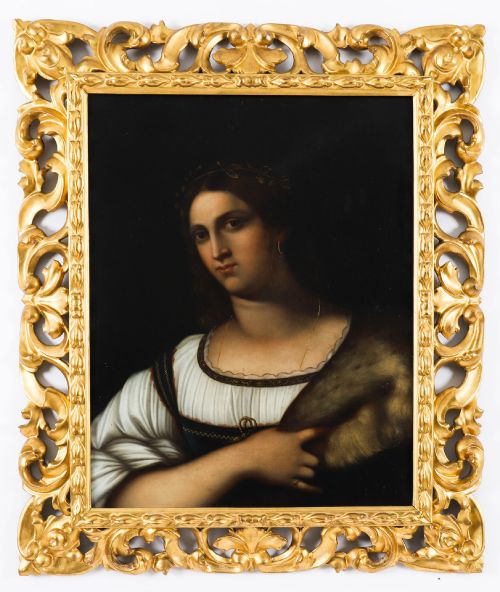
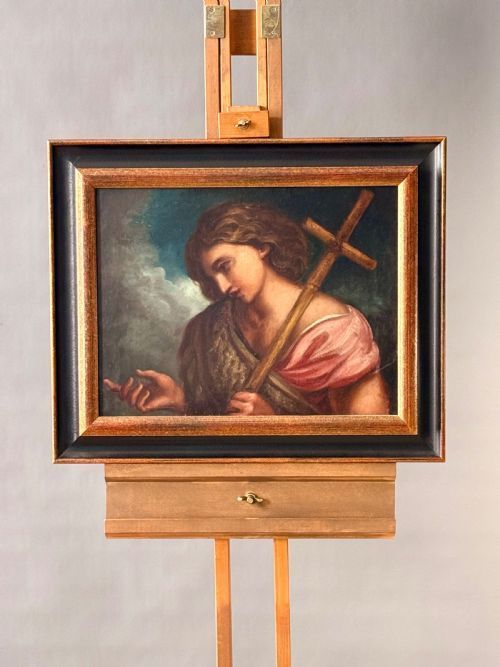
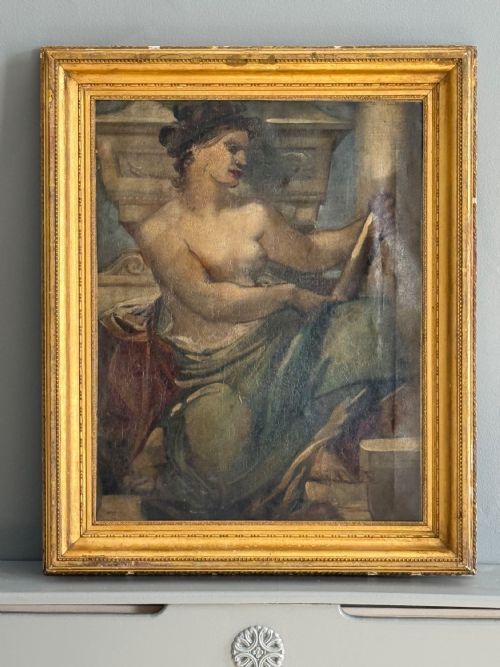
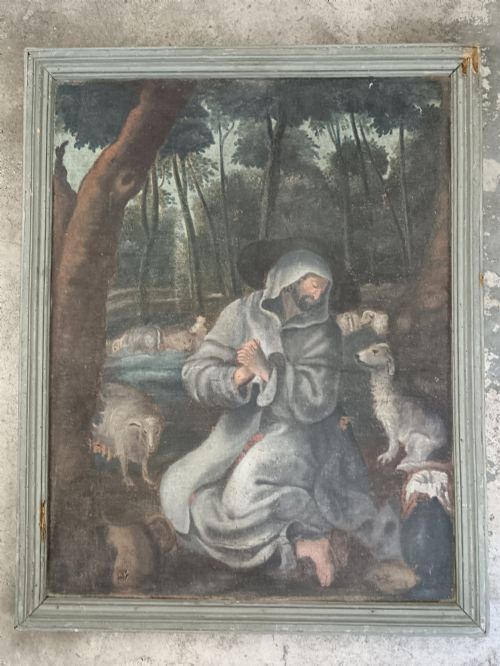
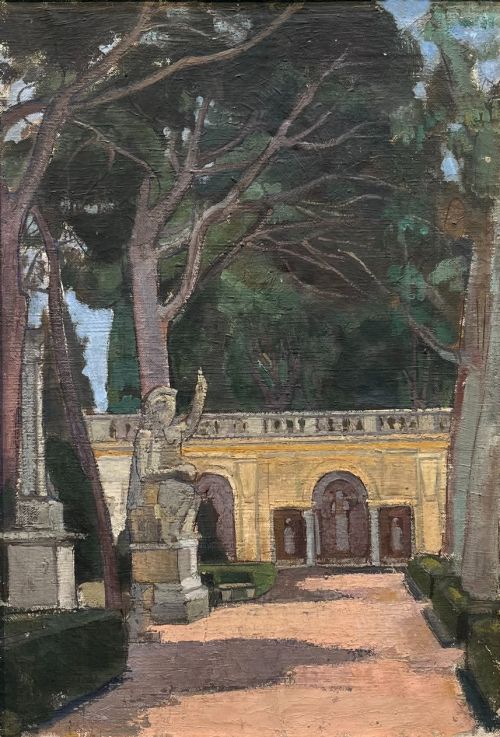
Italian school canvas art encompasses oil paintings produced by Italian artists or those working closely within Italian artistic traditions across the seventeenth, eighteenth, and nineteenth centuries. These works include religious subjects, portraits, and pastoral landscapes often styled after notable old masters.
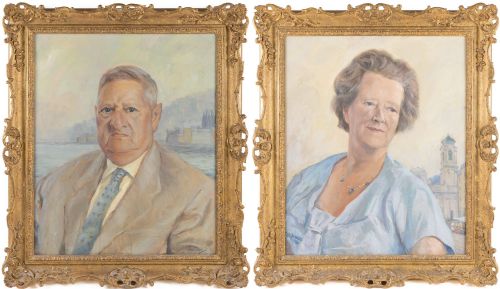
Buyers frequently encounter regional variations such as Venetian, Tuscan, and Genoese works, alongside later interpretations from the mid-twentieth century. The subjects range from classical biblical scenes to coastal views of Naples and Sorrento.
The selection includes both original compositions by named painters and skilled studio copies or follower pieces after Renaissance and Baroque masters. Canvas supports dominate the selection, frequently housed in period giltwood frames.
Materials and Construction
These works are executed using oil paint applied to stretched canvas supports, a method that allowed artists to build rich layers of pigment and glaze. Wood stretchers provide the internal structural support for the fabric.
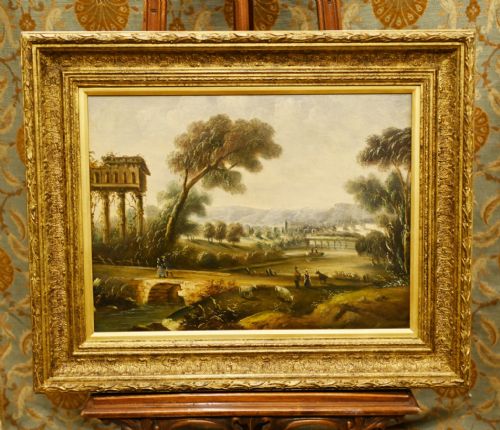
Many canvases are housed in frames constructed from wood and embellished with gold leaf or giltwood, often featuring swept designs characteristic of the nineteenth-century revival periods.
The inventory spans the sixteenth, seventeenth, eighteenth, and nineteenth centuries, alongside mid-twentieth-century examples.
Assessing Quality and Execution
Quality in these paintings rests on the brushwork dexterity, anatomical proportion, and the depth achieved through layering oil paint. Superior examples display confident handling of light and shadow, particularly in drapery and facial expressions.
The integrity of the canvas and the preservation of the original pigment layers determine the longevity and visual impact of the piece. Frame craftsmanship also contributes, with hand-carved giltwood surrounds adding distinct period context.
Bernardino Luini·Domenico Zampieri·Giulio Cecchini·Giacomo Nani·Federico Andreotti
The Italian School Canvas Art Glossary
- Pentimento
- A visible trace of earlier painting beneath a layer of paint, showing where the artist changed their composition. This occurrence indicates a genuine hand at work rather than a mechanical copy.
- Giltwood
- Wood carved and coated with gold leaf or gold paint to create an ornate decorative frame. This material is frequently found on nineteenth-century revival frames enclosing canvas art.
- Old Master
- A European painter of skill who worked before about eighteen hundred. These artists set the stylistic precedents that later Italian school painters followed.
- Baroque
- An artistic style originating in Italy characterised by dramatic movement and clear tension. Works in this tradition use deep shadows and strong light sources.
- Grand Tour
- A traditional trip through Europe undertaken by upper-class Europeans to accumulate art and culture. Landscapes and portraits from this context often depicted Italian subjects.
Italian School Canvas Art: Frequently Asked Questions
How do I identify an old master follower?
Follower pieces typically replicate the composition, subject matter, and stylistic techniques of established masters rather than introducing entirely novel designs. These works were often produced in workshops or by later artists studying specific traditions.
Examining the brushwork and pigment application helps determine whether a painting is a contemporary studio piece or a later interpretation created centuries after the original master worked.
What subjects are common in these paintings?
Religious narratives form a significant portion of the selection, including depictions of saints, the Holy Family, and biblical scenes derived from Renaissance and Baroque iconography. Portraits and pastoral landscapes also appear frequently.
Landscape subjects often reflect regional Italian topography, such as Tuscan countryside views or coastal scenes around Naples, which were popular during the nineteenth century.
Are these works painted on original canvas?
Many historical paintings retain their original canvas supports, though older works often show evidence of past conservation, relining, or restretching on wooden frames. These interventions help stabilise the fabric over centuries.
Inspect the edges and reverse of the canvas to observe the material age and any structural reinforcements applied by conservators.
How should I display giltwood frames?
Giltwood frames require stable indoor environments away from direct sunlight and fluctuating humidity to protect the delicate gold leaf and wooden substrate. Proper placement prevents the cracking or fading of both the frame and the canvas.
Allow sufficient clearance around the piece to ensure air circulation and avoid hanging the artwork on damp external walls.