




Italian Renaissance Bronze
These italian renaissance bronze pieces are tactile echoes of classic sculpture and architecture, sought after for their rich surface patination and classical forms.
Italian Renaissance Bronze
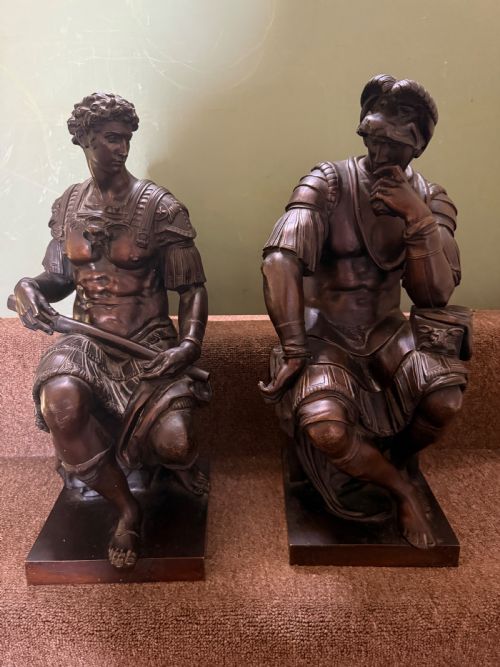
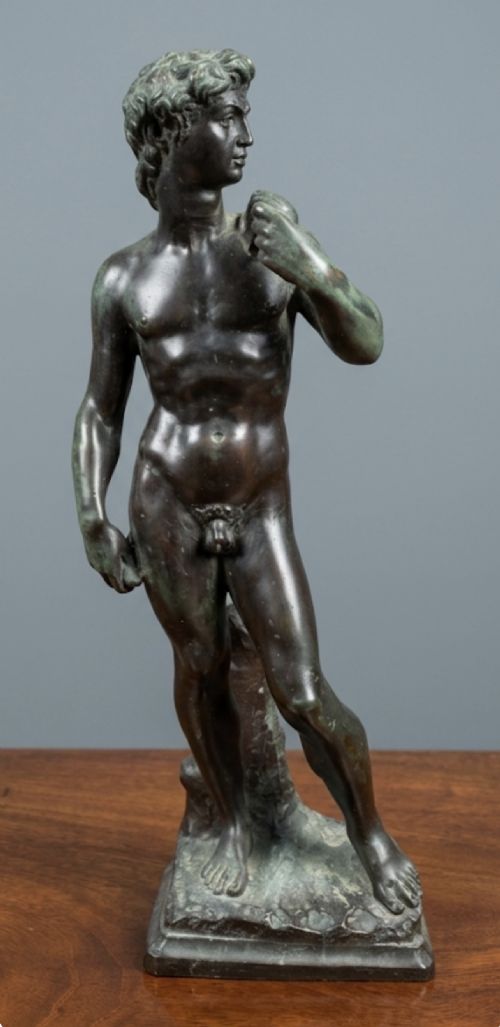
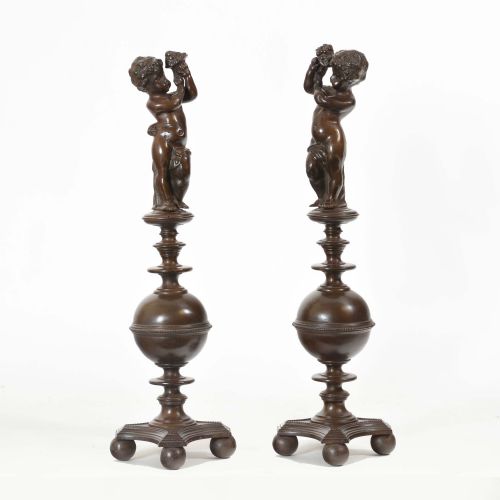
When you search for italian renaissance bronze, you encounter sculptural works, andirons, ewers, and plaques reflecting classical antiquity and the sixteenth century. The pieces you meet on this page include nineteenth-century Grand Tour souvenirs, Renaissance Revival items, and occasional seventeenth-century casts.
Forms range from full figures of David, the Medici, and equestrian monuments like Colleoni to architectural torchere pedestals and decorative urns. Many draw directly from canonical masters such as Michelangelo and Giambologna, cast to bring classical sculpture into domestic spaces.
The material expression spans heavy cast bronze, patinated surfaces, and occasional bronze finishes on cast iron, often mounted on marble or alabaster plinths. These objects bridge original Renaissance output and later nineteenth-century revival enthusiasm.
Materials and casting methods
Makers utilised bronze and cast iron, shaping them through casting techniques that captured intricate musculature and drapery. Surfaces received careful patination to simulate age, while mounts incorporated marble, alabaster, and wood.
The construction of larger figures and functional items like andirons and ewers relied on robust assembly methods to support heavy metal forms. Detail work on plaques and figurines mirrored the reduction of monumental statues for collector display.
Listings feature 19th-century Grand Tour souvenirs alongside 17th-century casts, utilising bronze, marble, alabaster, and cast iron.
Evaluating quality in cast metal
Quality rests in the crispness of the chase work and the depth of the patination across the bronze surface. Superior examples retain fine facial expressions, garment folds, and sharp contours without softness from worn moulds.
The integrity of the mountings, such as fitted marble plinths or secure joinery on ewers and andirons, separates standard production from finer cabinet pieces. Heavier cast weight and thoughtful finishing distinguish the upper range.
The Italian Renaissance Bronze Glossary
- Grand Tour
- Educational travel through Europe undertaken by the wealthy elite during the eighteenth and nineteenth centuries, generating demand for miniature bronzes and souvenirs. These smaller sculptures replicated famous public monuments.
- Patination
- The chemical or natural alteration of the bronze surface colour over time. It creates protective tones ranging from deep brown to verdigris.
- Andirons
- Horizontal metal supports placed in a fireplace to hold logs. Renaissance examples often incorporate sculptural figures and cast architectural motifs.
- Ewer
- A large jug with a wide spout and elaborate handle, used historically for pouring water. In decorative metalwork, it serves as an ornamental display piece.
- Plaque
- A flat panel of cast bronze depicting a narrative scene in relief. These works often draw inspiration from monumental church carvings and plaquettes.
Italian Renaissance Bronze: Frequently Asked Questions
What is a Grand Tour bronze?
A Grand Tour bronze is a nineteenth-century souvenir cast in Italy to replicate classical or Renaissance sculptures seen during foreign travel.
These smaller pieces allowed collectors to bring major Italian artworks back to their home libraries and drawing rooms.
How do I care for antique bronze?
Antique bronze requires gentle dusting with a soft cloth to protect the patination and underlying metal surface.
Avoid liquid cleaners or abrasive polishes that can strip the historic finish and damage the delicate patina.
What periods do these bronzes span?
The listings include seventeenth-century works alongside nineteenth-century Renaissance Revival and Grand Tour interpretations.
Nineteenth-century items dominate the selection, replicating earlier Renaissance aesthetics for Victorian collectors.
Where were these items displayed?
These bronzes historically sat on library tables, mantelpieces, and specialised pedestals within wealthy European homes.
Their substantial weight and decorative presence suited formal domestic interiors and collector cabinets.