



Italian Overmantel Mirror
An italian overmantel mirror brings grand architectural presence and reflective depth to a mantelpiece, drawing the eye with elaborate carving and gilded surfaces.
Italian Overmantel Mirror
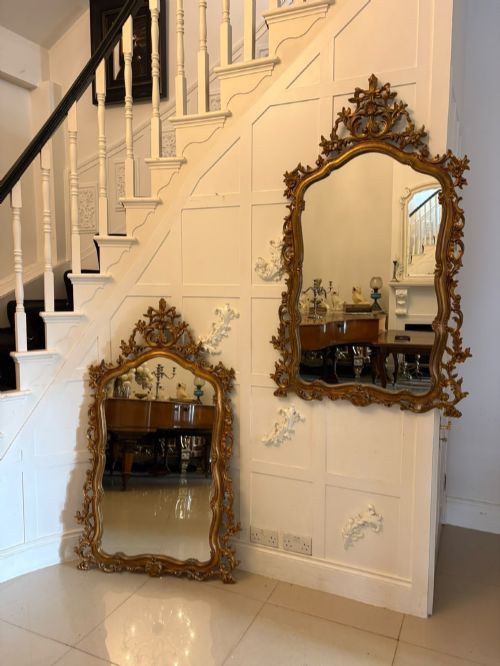
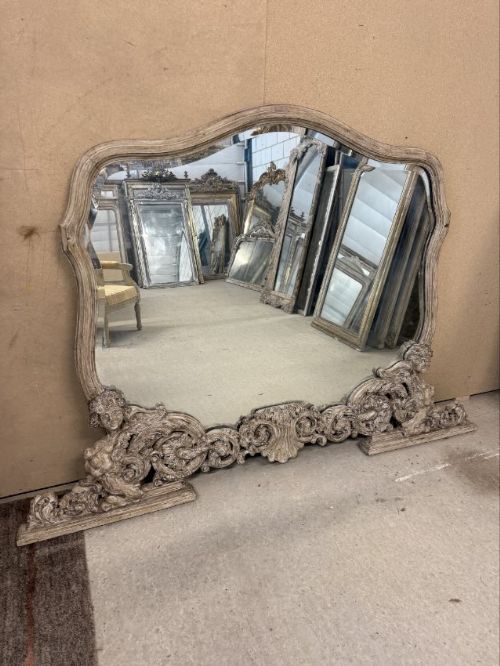
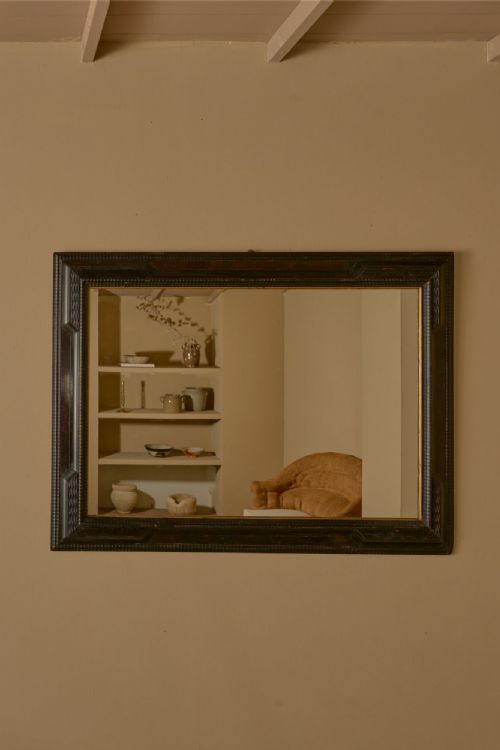
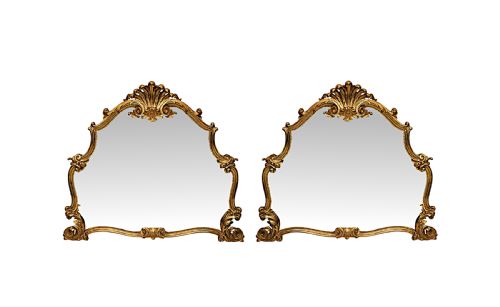
An italian overmantel mirror is designed to sit directly above a fireplace, filling the wall space with generous proportions and decorative framing. The pieces gathered here span centuries of design, with the nineteenth century heavily represented alongside examples from the eighteenth and early twentieth centuries.
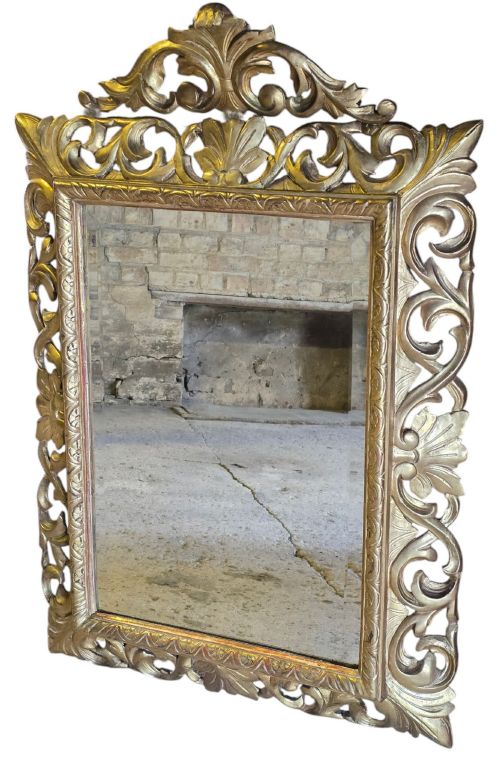
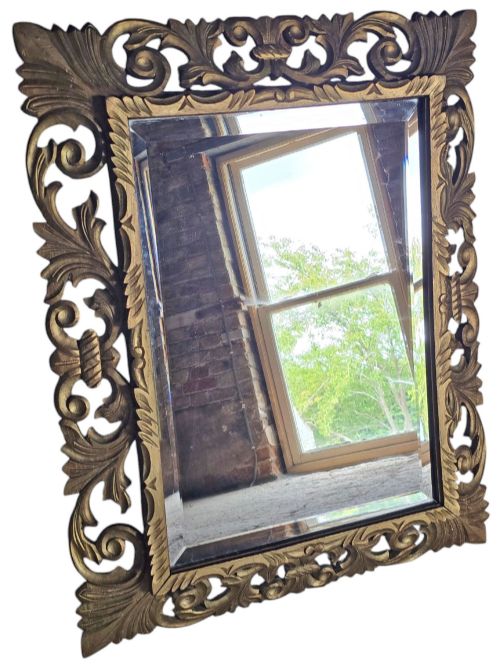
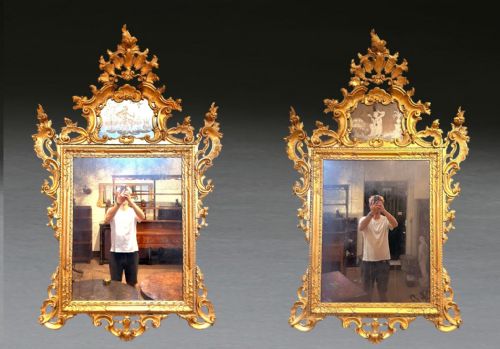
The assortment encompasses grand statement pieces and larger wall hangings shaped by regional aesthetics. Florentine and Venetian influences appear frequently, bringing distinct regional character to the carved wooden frames.
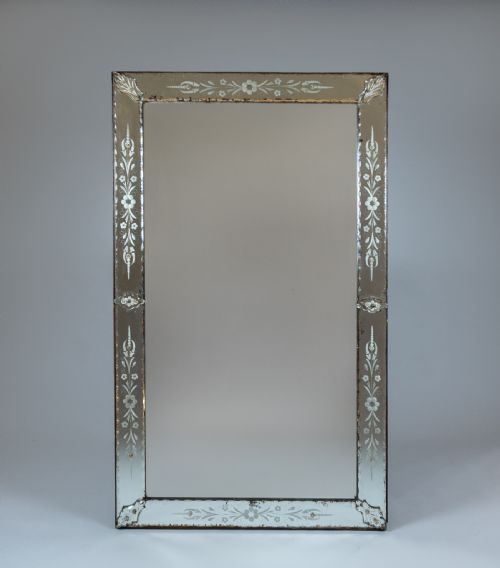
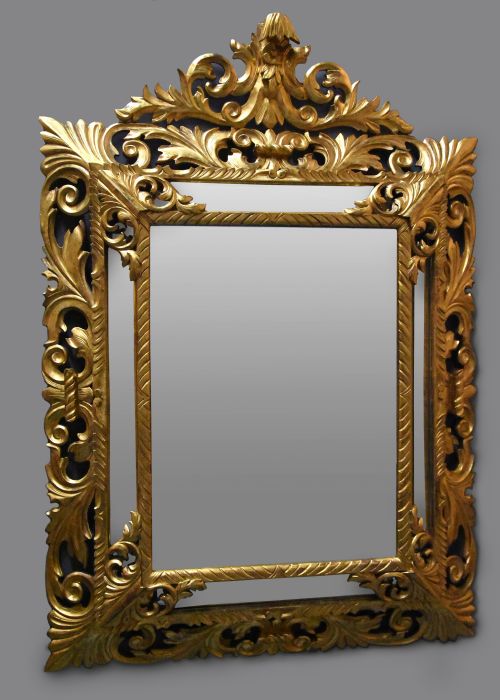
Makers and workshops utilised various traditional formats, from cushion mirrors and marginal plates to heavily ornamented neoclassical and rococo designs. These mirrors function as both practical reflectors of light and dominant decorative focal points within a room.
Materials and Construction Techniques
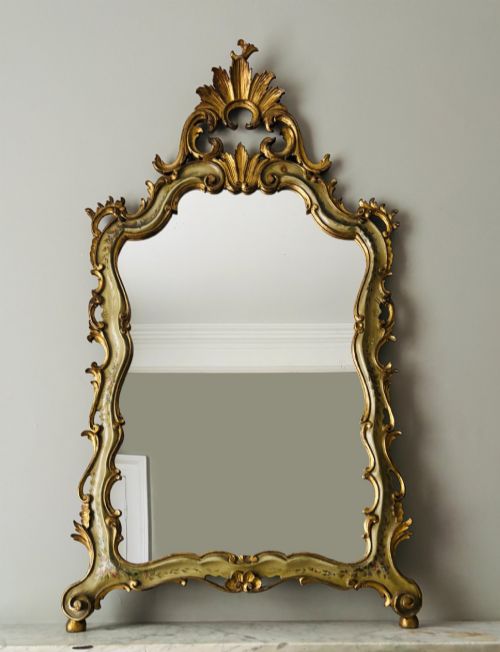
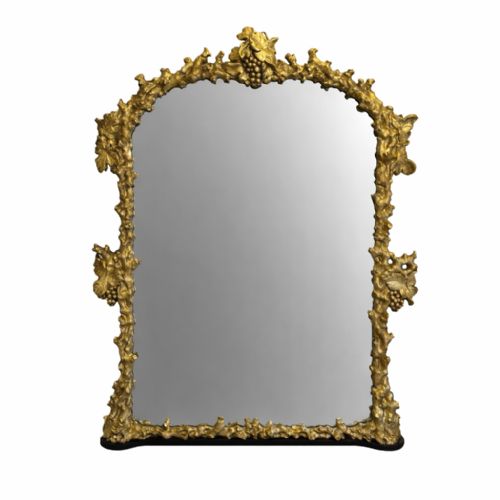
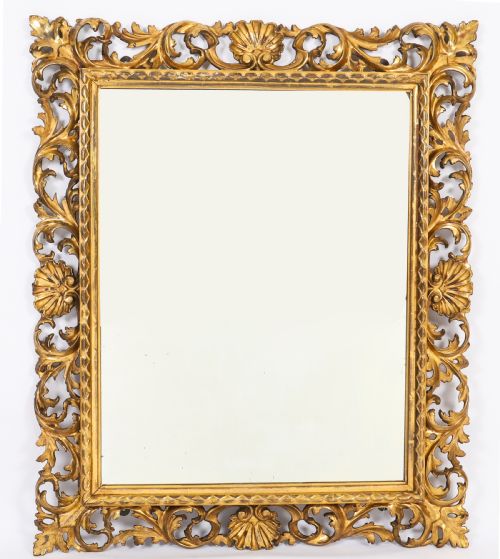
The foundation of these frames relies primarily on carved wood, gesso, and giltwood. Craftsmen shaped solid timber frames before applying layers of gesso to build up intricate relief details, such as fruiting vines and scrolling foliage.
Gold leaf and paint were then applied over the prepared surfaces to achieve a lustrous or decorative finish. Glass plates, including original examples and triple-plate configurations, were fitted within these ornate structures to complete the piece.
Italian Overmantel Mirror Retail Price Guide 2026
Typical asking prices for italian overmantel mirror among the pieces listed under this phrase on Sellingantiques today, from the lower quarter to the upper quarter. They describe what is for sale here now, not the wider market.
Certain nineteenth-century frames are adorned with carved fruiting vines, bringing a touch of orchard abundance directly into the formal parlour.
Distinctions in Quality
Quality reveals itself through the depth and crispness of the carving on the wood and gesso. Superior examples display sharply defined motifs and fluid ornamentation executed by skilled hands rather than mechanical repetition.
The integrity of the gilding and the preservation of the original mirror plate further separate the finest pieces from simpler alternatives. Deeper relief work and balanced proportions indicate higher workshop standards during production.
Ciceri and Co
The Italian Overmantel Mirror Glossary
- Overmantel
- A mirror or painting specifically proportioned to hang on the wall above a fireplace mantel. These pieces anchor the visual weight of the hearth within the room.
- Giltwood
- Timber that has been coated with gold leaf or a gold-coloured metallic finish. This technique creates a radiant surface that catches and reflects ambient light.
- Gesso
- A plaster-like mixture applied to wood frames to create a smooth surface for gilding or to be moulded into relief decoration. It allows for intricate sculptural detail on the frame.
- Florentine
- A distinct regional style originating from Florence, characterised by elaborate carved foliage, scrolls, and deep surface ornamentation. These frames often present a dense display of naturalistic motifs.
- Marginal mirror
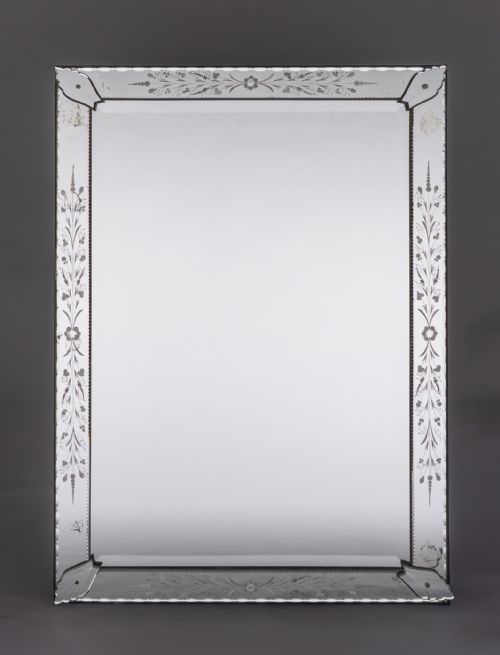
- A mirror featuring a central glass plate surrounded by smaller, angled marginal plates often held together by decorative rosettes or strips. This style enhances light refraction across the wall.
Italian Overmantel Mirror: Frequently Asked Questions
Where should an italian overmantel mirror be hung?
These mirrors are traditionally positioned centrally on the wall directly above a fireplace mantel, where their horizontal or vertical proportions balance the hearth below.
They also function effectively in grand hallways or principal reception rooms as standalone wall focal points.
How do you identify a Florentine style frame?
Florentine frames are distinguished by dense, highly decorative carving featuring naturalistic elements such as scrolling leaves, flowers, and fruiting vines.
These pieces often utilise extensive giltwood and gesso to create a rich, sculptural appearance.
Are original mirror plates common on these pieces?
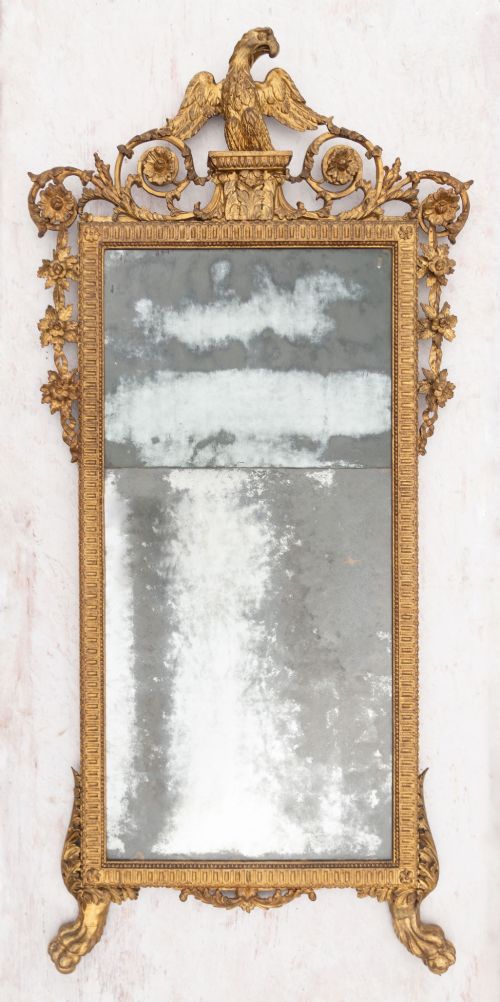
Many older pieces retain their original glass plates, which often exhibit characteristic age marks and soft reflection qualities.
Some listings feature replacement plates or period-appropriate glass that preserves the historic visual appeal of the frame.
What materials make up the frames?
The frames are primarily constructed from carved wood or walnut, frequently layered with gesso to receive intricate surface ornamentation.
Gold leaf, paint, and giltwood finishes are then applied to complete the decorative exterior.