



Italian Old Master
When you search for an italian old master, you encounter centuries of painting traditions spanning the Renaissance through the Baroque periods.
Italian Old Master
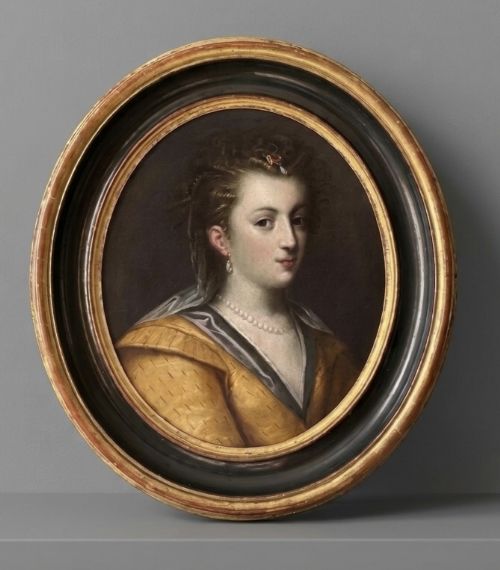
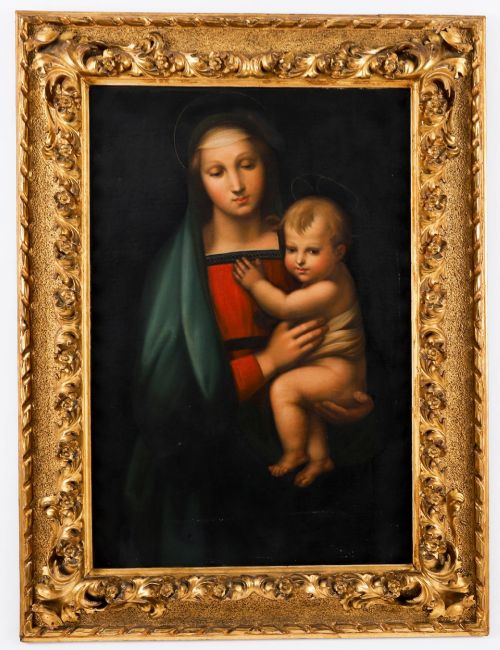
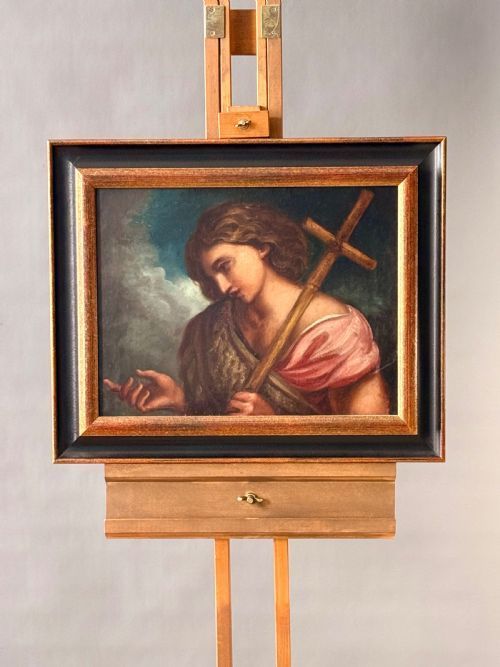
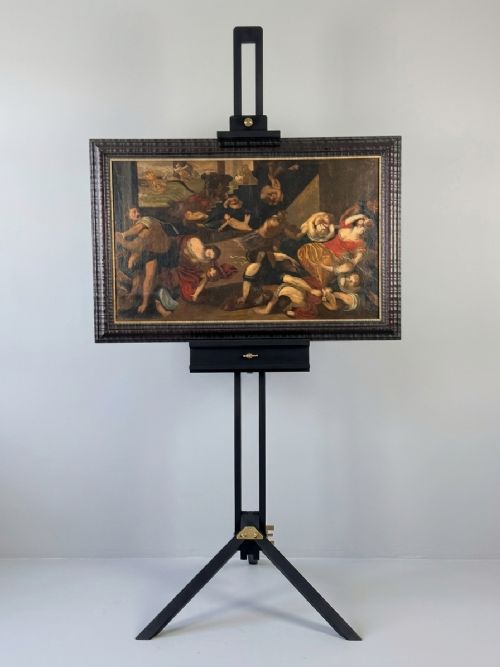
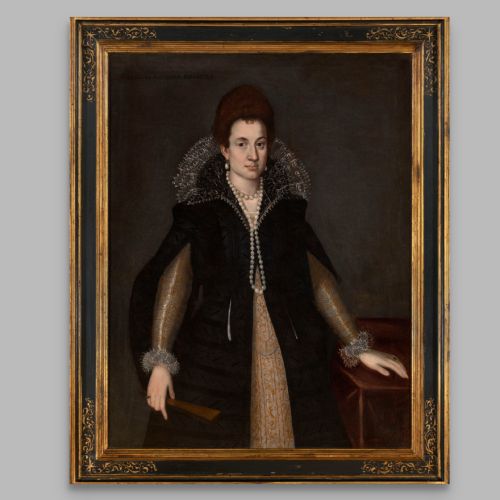
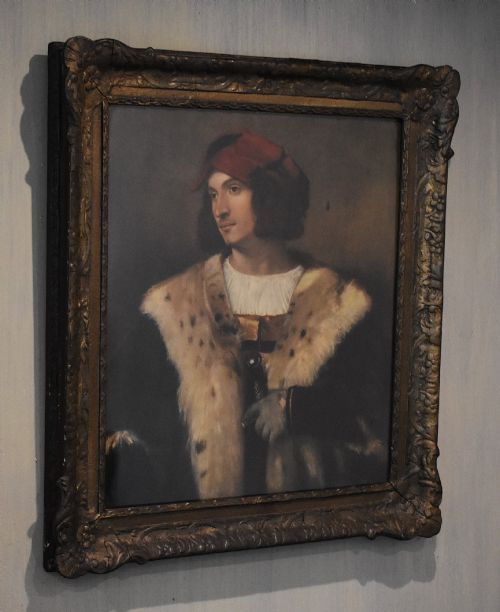
An italian old master encompasses oil paintings, portraits, and religious scenes produced in Italy from the sixteenth century through the eighteenth century. These works range from large-scale devotional canvases to intimate portrait studies executed by regional schools and studio followers.
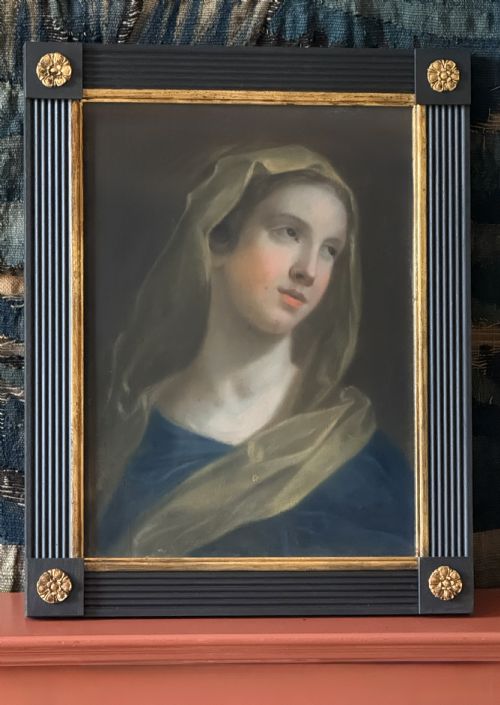
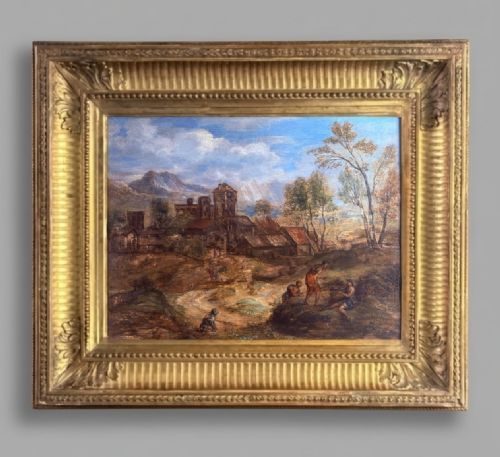
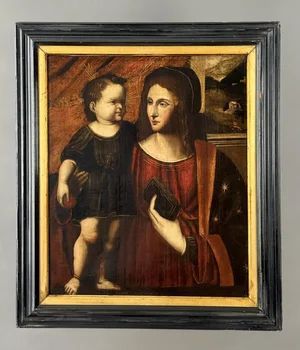
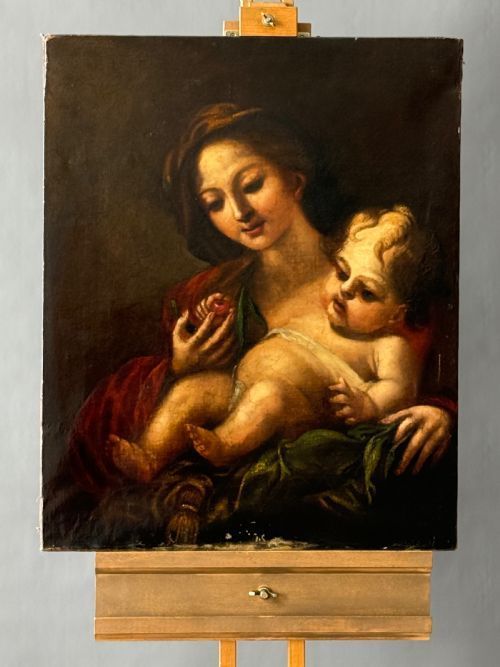
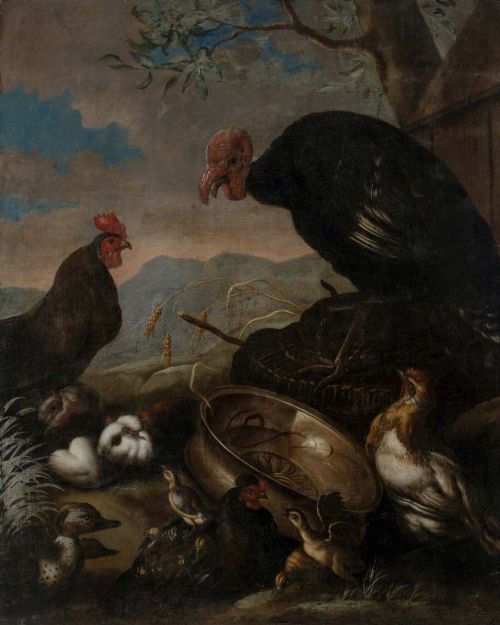
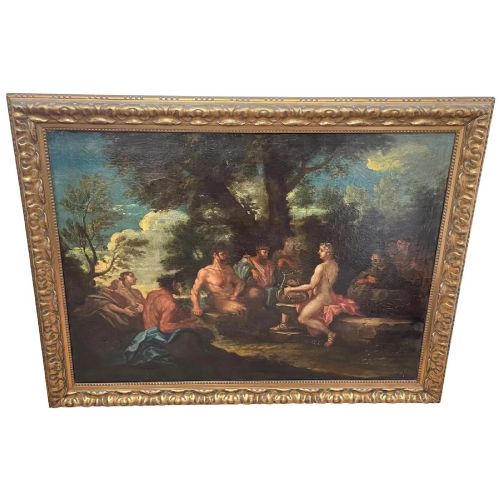
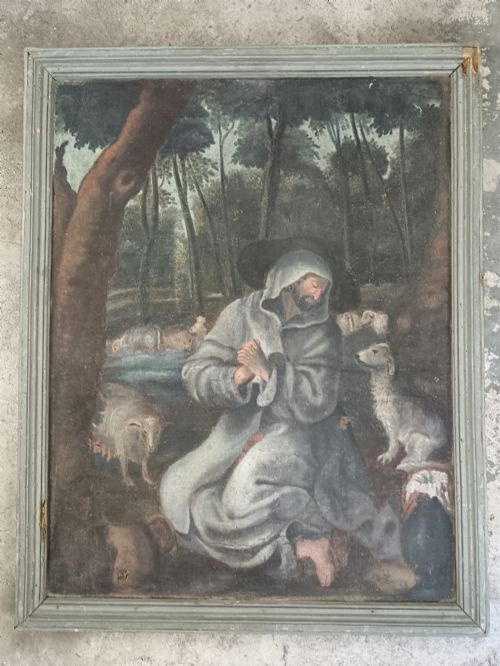
The selections available here lean heavily toward religious iconography, including depictions of the Madonna and Child, holy families, and saints alongside classical mythologies and landscapes. Examples stretch from late sixteenth-century Renaissance pieces to eighteenth-century Baroque compositions housed in period frames.
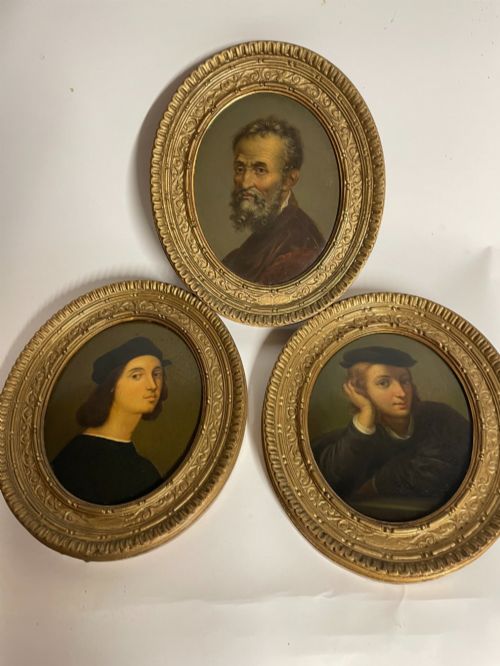
Buyers encounter both original regional school paintings and later interpretations or prints after major masters like Raphael, Titian, and Correggio. Works on canvas predominate, accompanied by occasional pastels, charcoal drawings, and wood panel supports.
Materials and Construction
Painters utilised oil pigments applied to stretched canvas or wooden panels, building up rich colour fields and subtle tonal gradations. Draughtsmen employed pastel, charcoal, and ink on paper substrates for preparatory studies and finished works on paper.
Giltwood and carved wooden frames, often finished with gold leaf, encase many of the canvases and drawings. These period surrounds complement the painted surfaces, utilising traditional joinery and carved ornamentation appropriate to the century of creation.
Italian Old Master Retail Price Guide 2026
Typical asking prices for italian old master among the pieces listed under this phrase on Sellingantiques today, from the lower quarter to the upper quarter. They describe what is for sale here now, not the wider market.
Listings feature works spanning the sixteenth, seventeenth, and eighteenth centuries, executed primarily in oil on canvas alongside pastels and charcoal drawings.
Assessing Quality and Execution
The distinction between workshop pieces, follower attributions, and direct output from named masters governs the hierarchy of these works. Mastery of human anatomy, expressive depth in portraiture, and the sophistication of the underdrawing or pentimento reveal the hand of a skilled practitioner.
Condition plays a central role, distinguishing works with intact original pigments and period giltwood frames from those with extensive overpainting or canvas relinings. The vitality of the brushwork and the preservation of the ground layer separate standard decorative examples from superior historical records.
Angelo Maria Crivelli·Benedetto Luti·Bernardino Luini·Francesco Solimena·Francesco Zuccarelli·Giacomo Nani·Gian Lorenzo Bertolotto·Pompeo Batoni
The Italian Old Master Glossary
- Pentimento
- A visible trace of earlier painting beneath the layers of paint, showing where the artist changed their composition. These alterations confirm the spontaneous creation of an original work rather than a mechanical copy.
- School
- A group of artists working in a particular region and period, sharing stylistic traits under the influence of a master. Examples include the Emilian, Veronese, and Genoese schools.
- Giltwood
- Wood carved and coated with thin gold leaf or gold paint. This finish is typical of elite European picture frames from the seventeenth and eighteenth centuries.
- After
- A term used in a title to indicate that a painting is a later copy or interpretation of a known work by a master. These pieces replicate famous compositions for collectors who desired renowned imagery.
Italian Old Master: Frequently Asked Questions
What is an old master painting?
An old master painting is a work produced by a European artist before the nineteenth century, typically spanning the Renaissance to the Baroque eras.
In the context of Italian art, these pieces encompass religious subjects, mythological scenes, and portraits created by trained painters and regional workshops.
How do I identify the period?
Dating relies on stylistic markers such as Baroque dramaturgy versus Renaissance symmetry, alongside physical evidence like canvas preparation and framing techniques.
Inscriptions, artist attributions in the title, and recorded provenance help narrow the century of execution.
Where should I hang these paintings?
These works suit traditional living spaces, libraries, and studies where subdued lighting enhances deep oil glazes and gold leaf frames.
Protecting canvases from direct sunlight and excessive humidity preserves the stability of the wood and paint layers.
What does circle of mean?
The term denotes an artist working in close association with a master, absorbing their direct style and techniques without being the master himself.
Such attributions reflect high technical competence and proximity to major artistic circles of the period.