
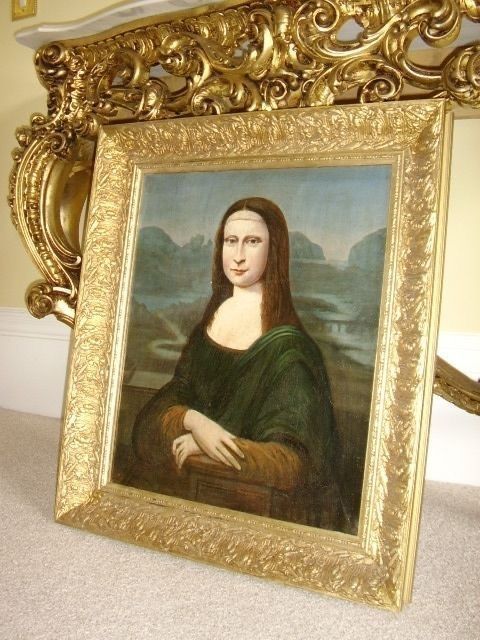
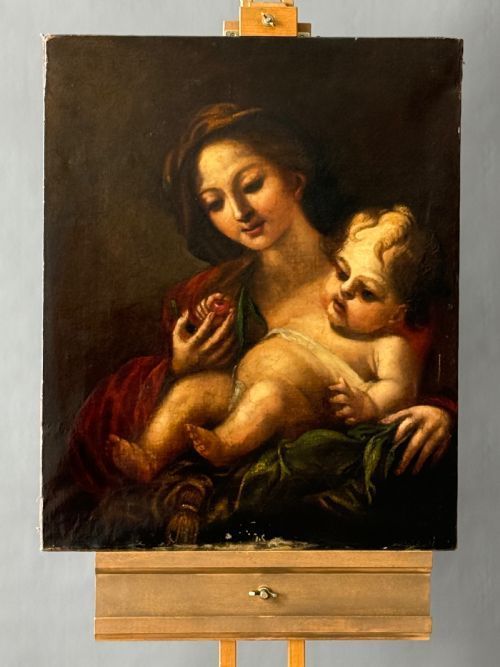


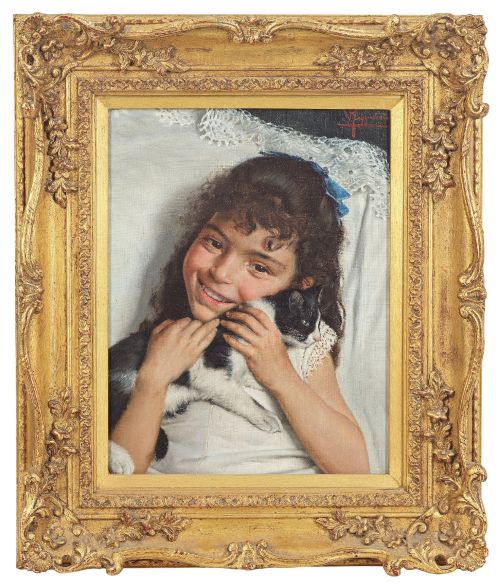
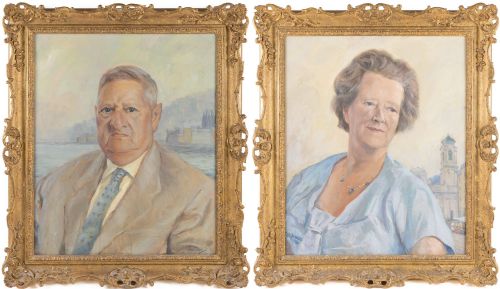
Italian Oil Portrait Painting
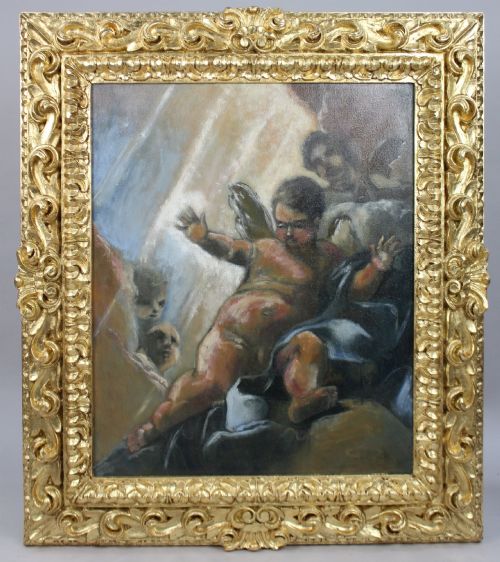
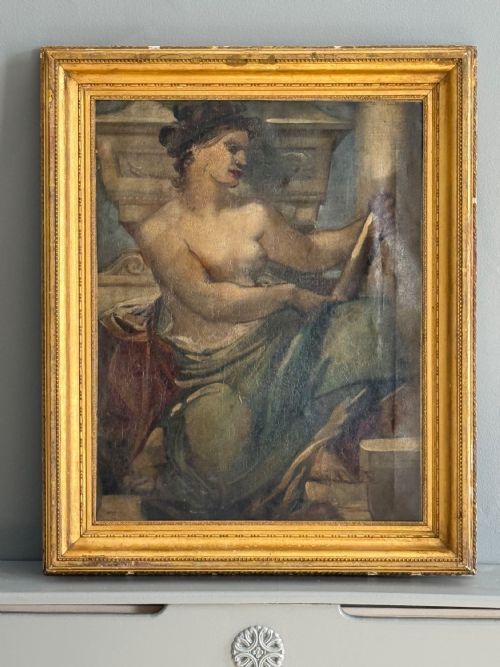
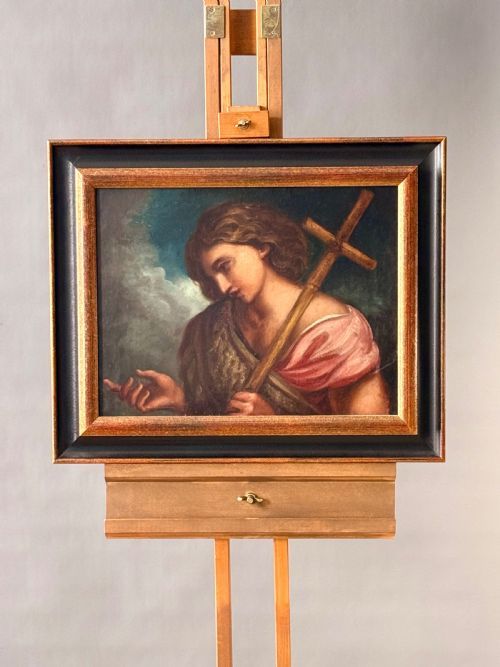
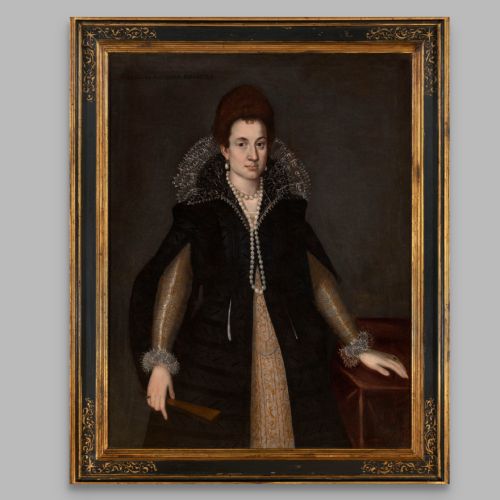
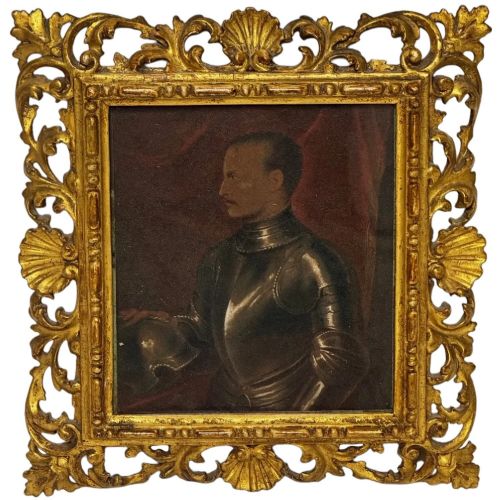
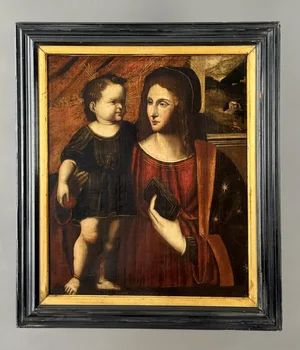
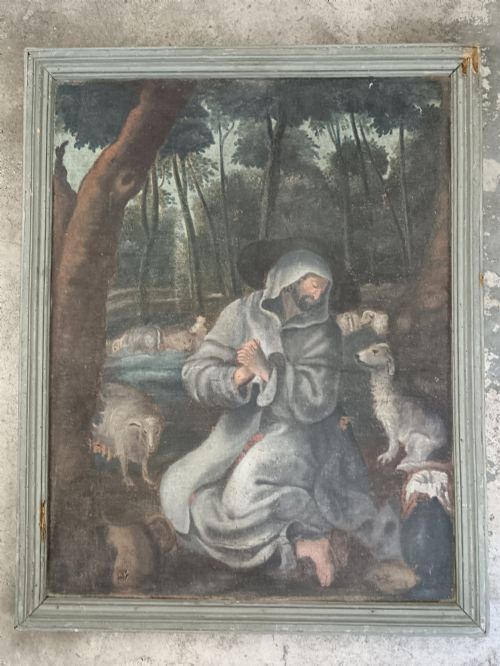
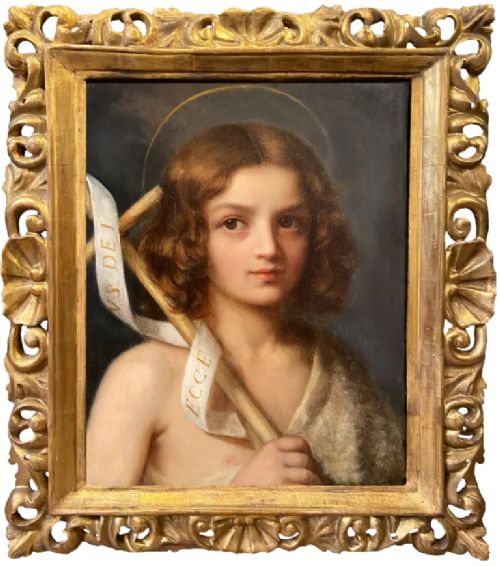
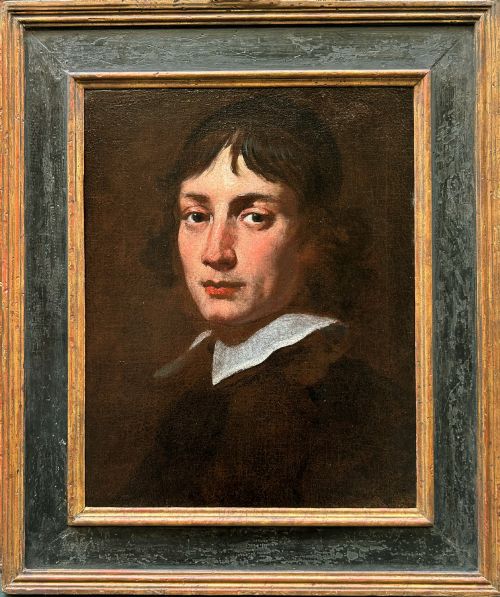
An italian oil portrait painting carries centuries of artistic heritage, capturing noble sitters, religious figures and everyday characters with enduring depth and atmospheric presence.
How They Were Made
These works are executed primarily using oil paint applied to woven canvas supports, though panels of wood or board appear across various periods. Artists built up compositions through layered glazes and opaque pigments to achieve rich tonal gradation and realistic skin textures.
What Varies in Quality
Quality in these works rests upon the dexterity of the brushwork and the psychological depth conveyed in the sitter's expression. Superior examples demonstrate a confident command of anatomy, light, and shadow, whereas lesser pieces can feel stiff or formulaic.
The integrity of the original canvas and the preservation of the pigment layers significantly influence the standing of a painting. Works retaining their primary surface texture without heavy overpainting command greater appreciation among serious collectors.
The listings on this page span multiple centuries, ranging from sixteenth century Renaissance panels to mid twentieth century canvases.
Dumini Leopoldo·Vittorio Reggianini·Pietro Fachetti·Guillaume Courtois·Attilio Toro·Francesco Solimena·Costantino Frixione·Vincenzo Irolli·Evaristo Cappelli·Luca Postiglione·Ferruccio Vitale·Giuseppe Palanti
The Italian Oil Portrait Painting Glossary
- Pentimento
- A visible trace of an earlier painting, brushstroke, or correction that has been painted over by the artist. These alterations emerge beneath the top layers of oil paint as the medium ages and becomes more transparent.
- Giltwood
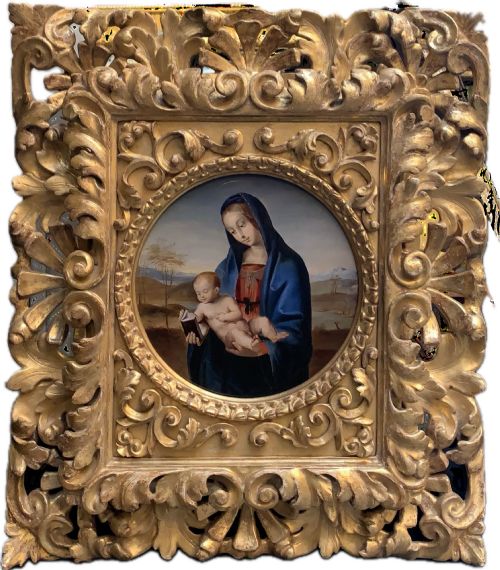
- Wood that has been treated with a thin layer of gold leaf or gold paint. This technique was widely utilised for ornate picture frames designed to complement fine art.
- Old Master
- A term applied to highly skilled European painters working before the nineteenth century. These artists were either master painters in their own right or influential members of established workshops.
- Tondo
- A Renaissance term for a circular work of art, whether a painting or a sculpture. This format challenges the artist to compose subjects within a curved boundary.
Italian Oil Portrait Painting: Frequently Asked Questions
What is an old master portrait?
An old master portrait is a painting created by a highly skilled European artist before the nineteenth century. These works often depict notable historical figures or religious subjects with sophisticated technique.
They represent the pinnacle of traditional painting methods and are prized for their historical significance.
How do I identify a Renaissance style painting?
Renaissance style paintings typically feature balanced compositions, naturalistic human anatomy, and subtle use of light and shadow known as chiaroscuro. Subjects often include religious icons or nobility portrayed with solemn dignity.
Examining the clothing, headdresses, and background architecture helps confirm the period aesthetic.
How should I care for an oil painting?
Oil paintings require stable indoor humidity and protection from direct sunlight to prevent the canvas from sagging and the pigments from fading. Dusting should be performed gently with a soft, dry brush.
Avoiding extreme temperature fluctuations ensures the preservation of both the canvas and the delicate varnish layers.