
Italian Neoclassical Sculpture
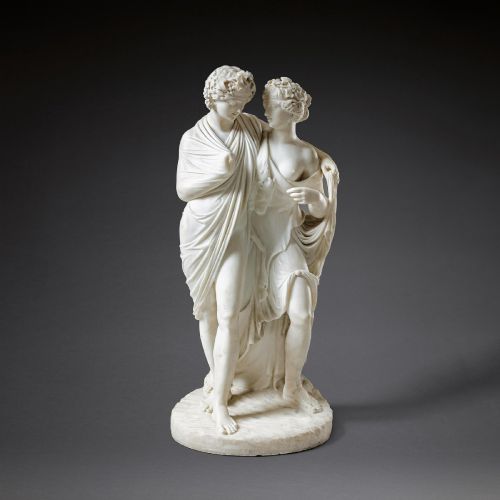
Italian neoclassical sculpture brings antiquity into the domestic interior through carved stone and cast bronze after ancient models.
Italian Neoclassical Sculpture
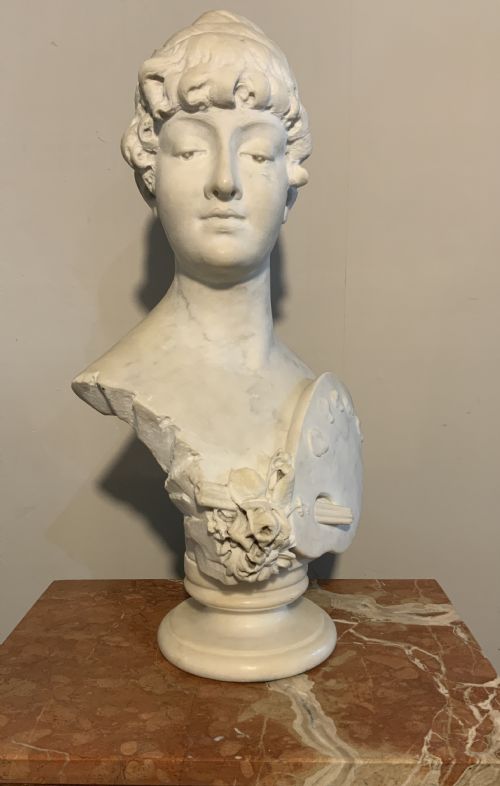
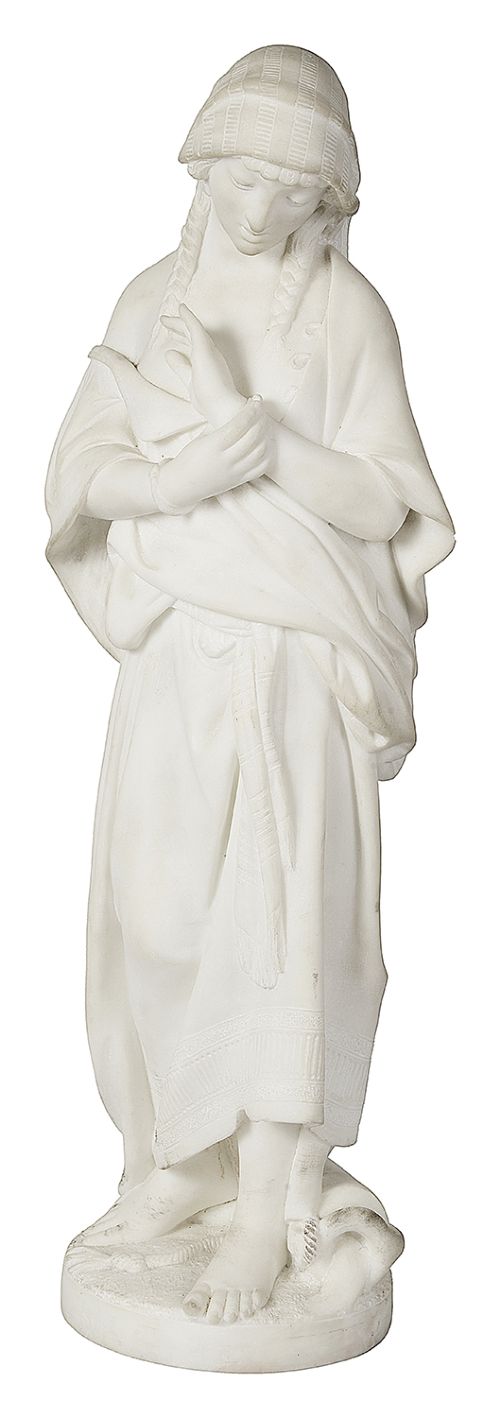
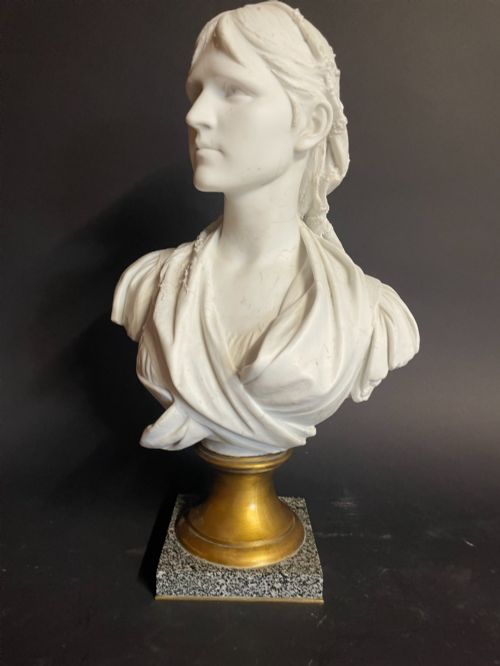
Italian neoclassical sculpture comprises carved marble figures, architectural models, and cast bronze figures produced primarily during the nineteenth century for collectors and travellers.
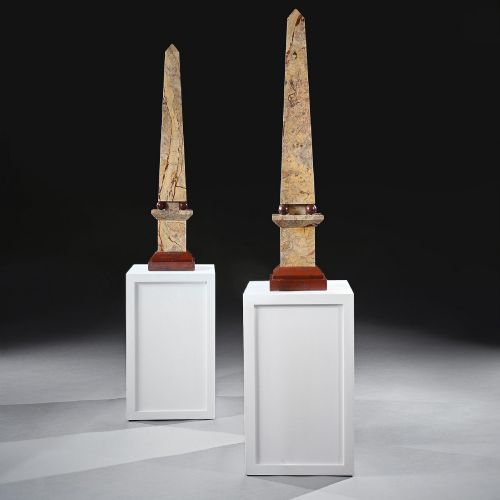
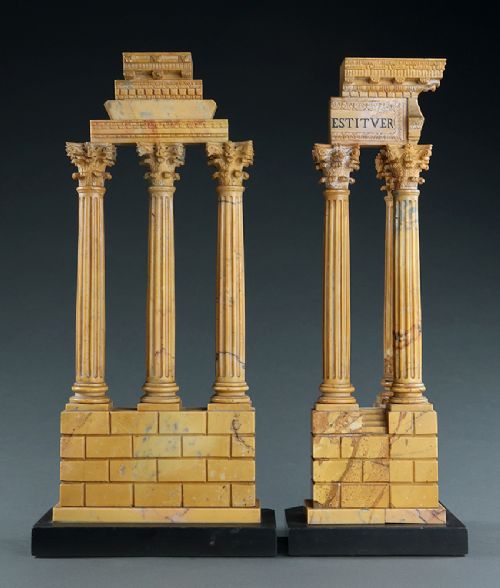
The objects on this page range from small Grand Tour souvenirs to monumental marble groups and architectural obelisks in various coloured stones.
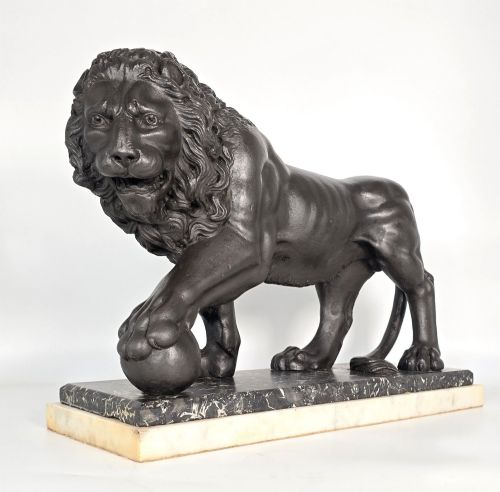
Subjects draw heavily from classical mythology and ancient Roman sculpture, replicating famous works housed in Italian museums and archaeological sites.
Materials and Working Methods
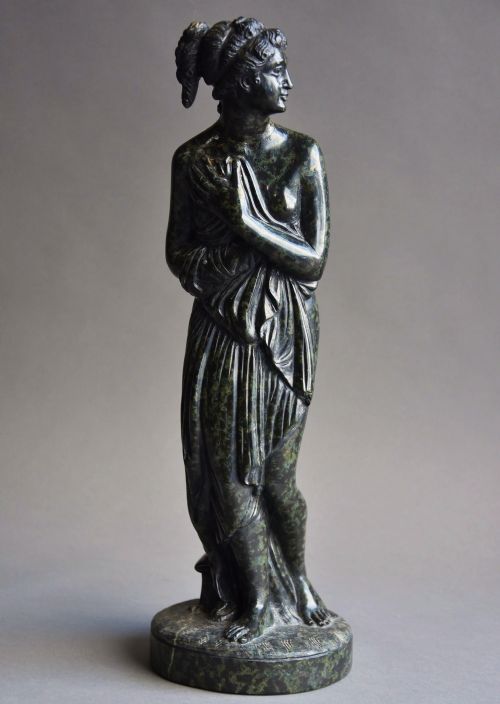
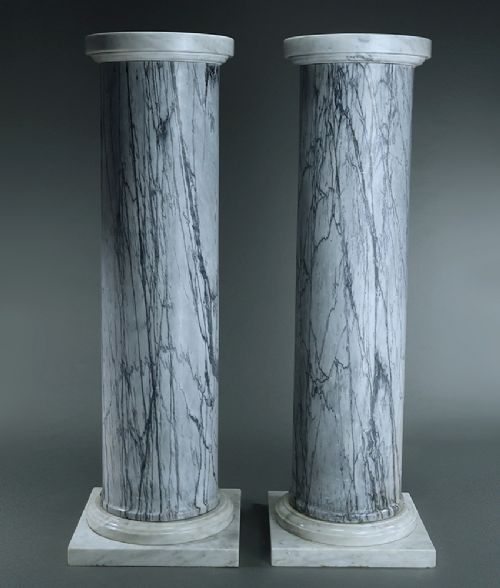
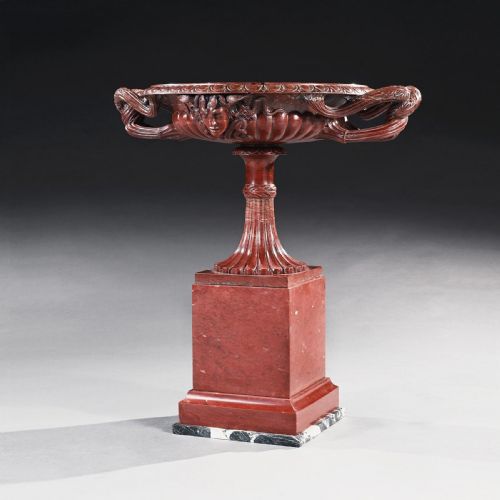
Carved pieces utilise white Carrara marble alongside coloured decorative stones such as serpentine, rosso antico, and Portasanta.
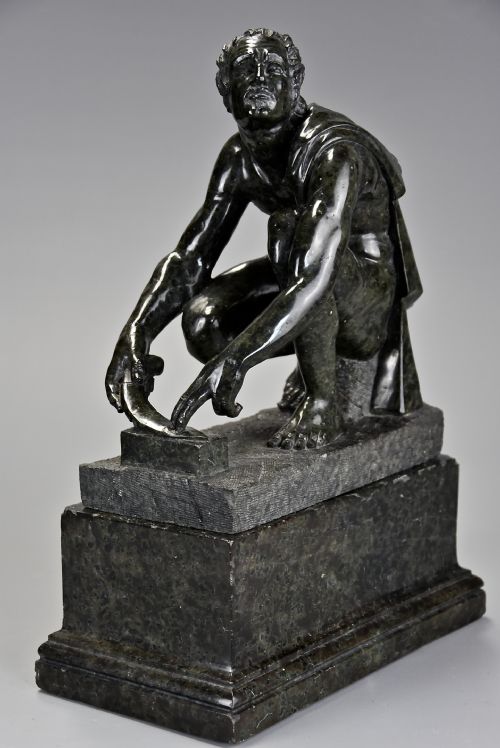
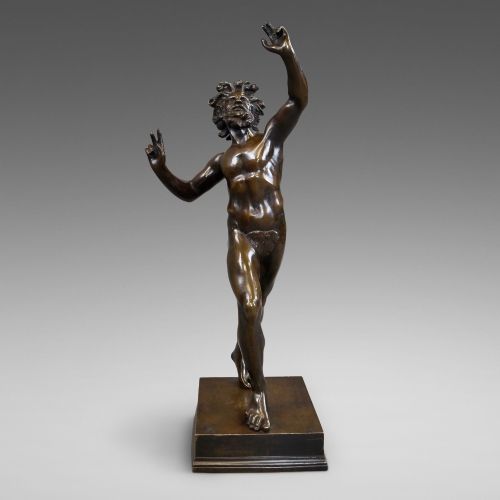
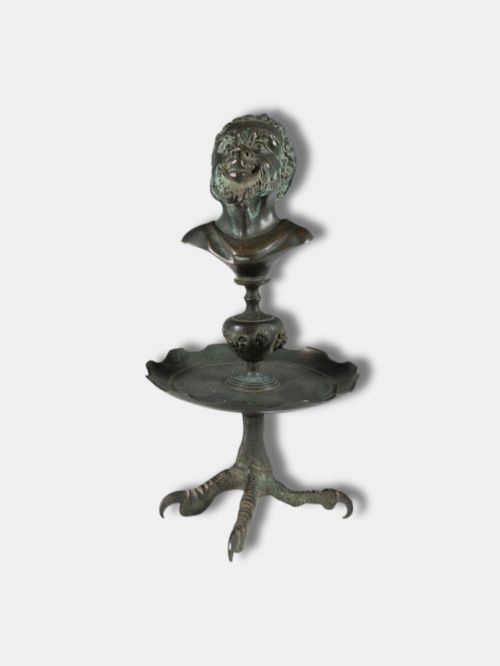
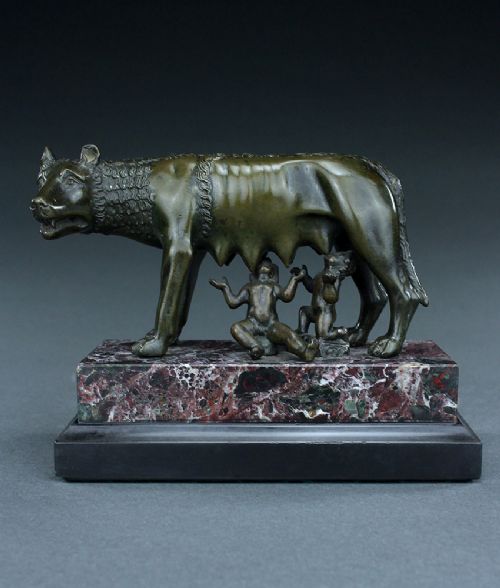
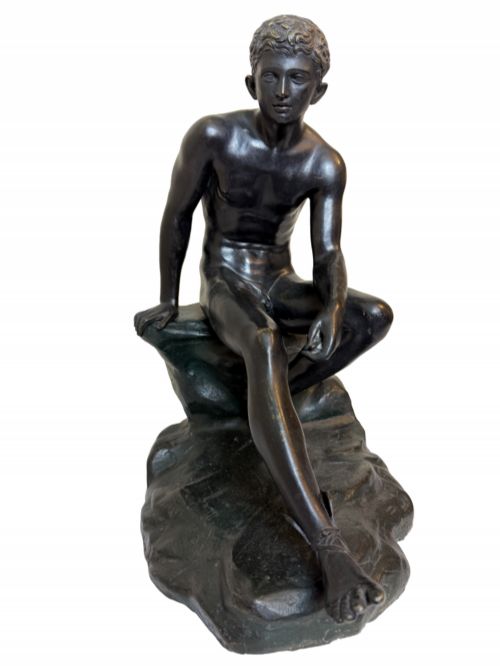
Bronzes are cast with patinated surfaces, occasionally mounted upon marble or stone plinths.
Sculptors followed classical precedents, employing pointed measuring techniques to translate antique forms into marble copies.
The materials recorded in these listings span white Carrara marble, patinated bronze, and diverse decorative stones including serpentine and rosso antico.
Evaluating Quality and Execution
Quality rests in the crispness of the carving, the precision of the chasing on bronze casts, and the fidelity to the ancient prototype.
Superior examples demonstrate anatomical proportion and smooth surface finish, particularly in facial expressions and drapery folds.
The selection of the marble base and the harmony of contrasting coloured stones contribute significantly to the overall presence of the piece.
Carlo Albacini·Barranti Florence·Antonio Canova·R Mattei·Benedetto Boschetti·Zoffoli·Messina Roma
The Italian Neoclassical Sculpture Glossary
- Grand Tour
- An extended journey through Europe undertaken by wealthy young men in the eighteenth and nineteenth centuries to study classical art. This travel generated a market for miniature bronzes and marble carvings.
- Carrara Marble
- A type of white or blue-grey marble quarried in the city of Carrara in Tuscany. It was the preferred material for neoclassical sculptors due to its fine grain.
- Patinated Bronze
- A metal sculpture treated with chemical solutions to produce a specific surface colour or aged finish. This technique highlights the musculature and detail of figurative casts.
- Obelisk
- A tall, four-sided, narrow tapering monument which ends in a pyramid-like shape at the top. In Italian neoclassical collections, these were often carved from exotic coloured marbles.
- Rosso Antico
- A deep red antique marble prized by neoclassical artisans for architectural elements and decorative objects. It mimics the deep red stones utilised by ancient Roman builders.
Italian Neoclassical Sculpture: Frequently Asked Questions
What is Italian neoclassical sculpture?
It is sculptural work produced in Italy during the nineteenth century that revives the styles and subjects of classical antiquity. Artisans created both small souvenirs and large-scale statues for international patrons.
These pieces typically reference specific ancient Roman and Greek sculptures found in Italian collections.
How were Grand Tour souvenirs used?
Travellers displayed these bronzes and marble carvings in libraries, studies, and drawing rooms as proof of their education and travels. They served as tangible connections to classical history and Italian culture.
Architectural models and obelisks were also utilised on mantelpieces and tables for interior decoration.
How do I distinguish marble types?
Carrara marble presents a uniform white or light grey crystalline structure, whereas stones like serpentine and rosso antico display distinct green and red coloration with natural veining. Examining the stone helps determine the regional materials utilised by the workshop.
Coloured marbles were frequently combined in architectural models to replicate ancient Roman interiors.
Are these sculptures signed by makers?
Certain bronzes and marble busts bear signatures, workshop stamps, or attributions to known Italian foundries and carvers. Other pieces remain anonymous as commercial souvenir productions.
Signatures typically appear on the truncation of a bust or along the edge of a bronze base.