




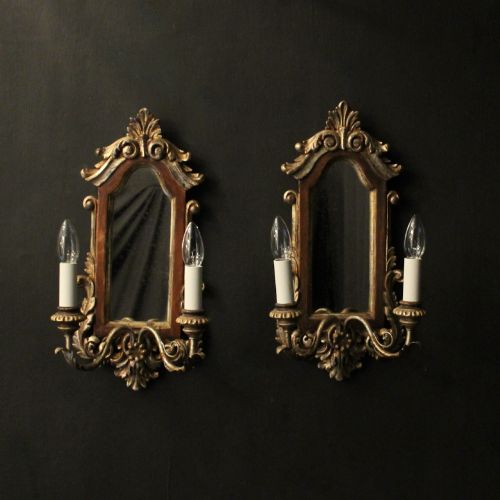
Italian Mirror Frame
An italian mirror frame brings the rich texture of carved wood and giltwork into a room, offering both decorative depth and functional reflection.
Italian Mirror Frame
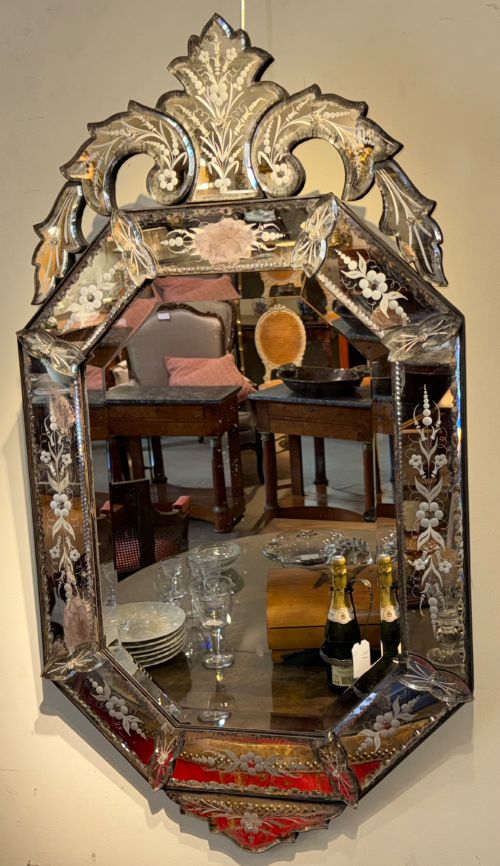
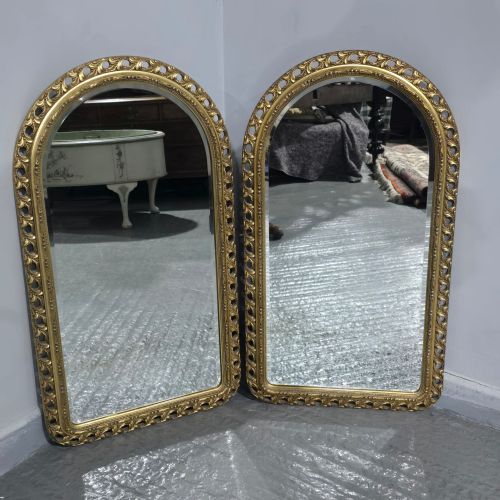
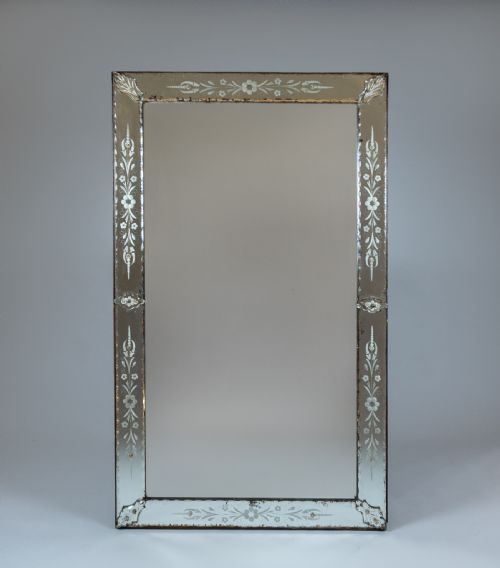
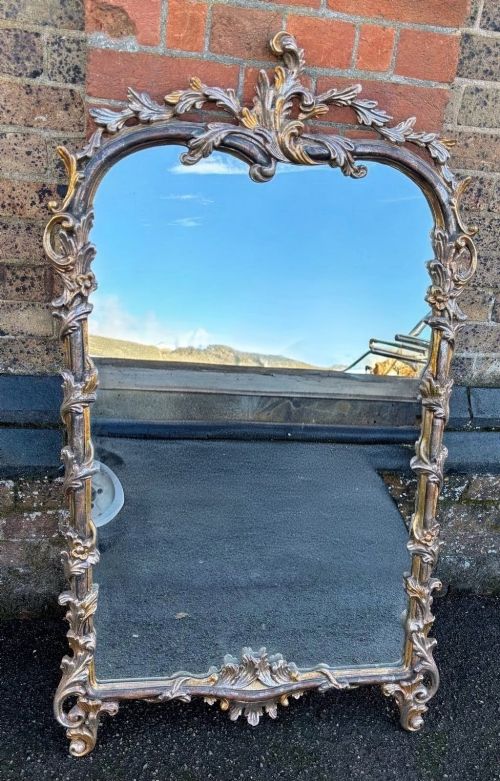
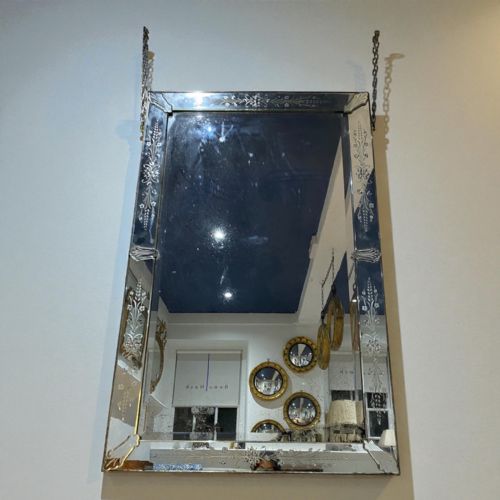
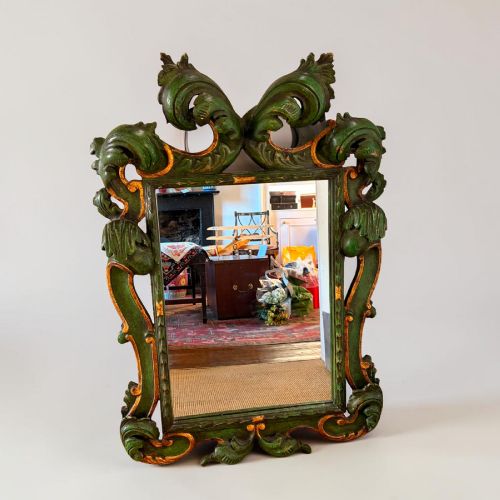
When you search for an italian mirror frame, you encounter wall mirrors, overmantel mirrors, and girandoles spanning the eighteenth, nineteenth, and early twentieth centuries. The selection draws heavily on Venetian and Florentine traditions, ranging from elaborate cushion mirrors to carved giltwood picture frames repurposed for reflection.
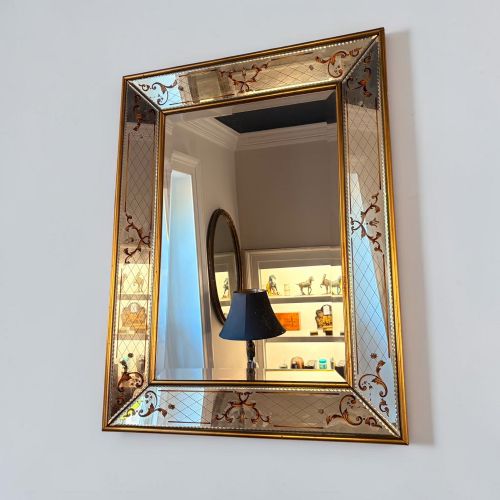
The nineteenth century yields a high proportion of the pieces available, alongside eighteenth-century works and later twentieth-century interpretations from the 1920s and 1930s. Regional variations include the distinctive blue glass and micro-mosaic detailing of Venetian workshops alongside the deep relief carvings typical of Florentine artisans.
Materials and Construction
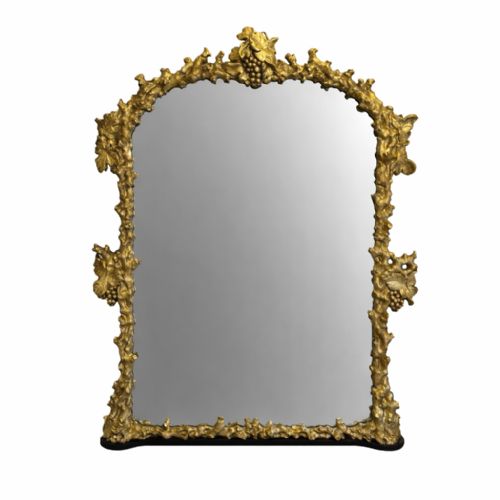
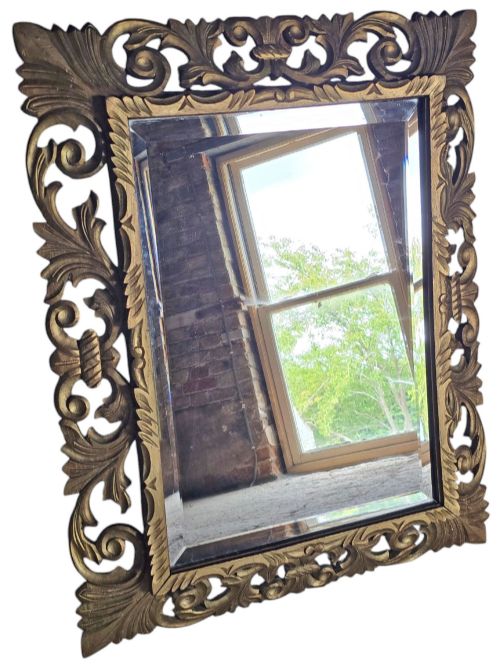
Carved wood forms the structural foundation for many examples, finished with layers of gesso to build up intricate relief details before receiving gold leaf, silver leaf, or paint. Giltwood and carved gesso dominate the aesthetic, creating reflective surfaces that catch natural light.
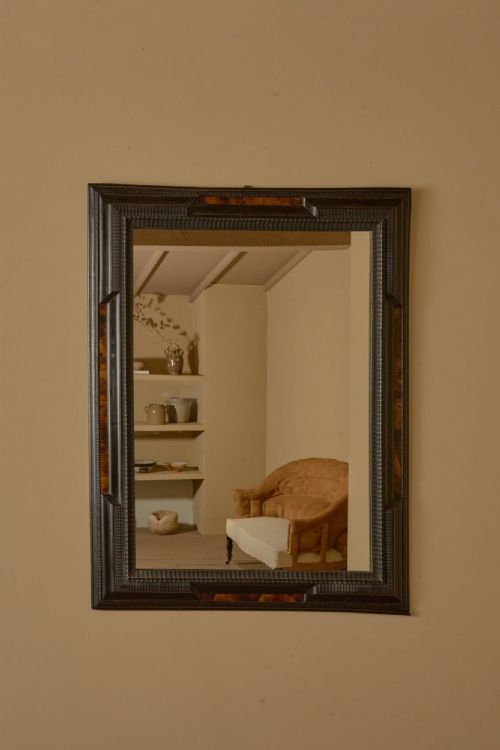
Specialised techniques such as eglomise glass painting and Murano glass production appear across Venetian pieces. Surface treatments range from silver and gold leaf applications to polychrome painted finishes and faux tortoiseshell effects on ebonised timber.
Italian Mirror Frame Retail Price Guide 2026
Typical asking prices for italian mirror frame among the pieces listed under this phrase on Sellingantiques today, from the lower quarter to the upper quarter. They describe what is for sale here now, not the wider market.
Listings feature periods spanning from the eighteenth century through to the 1930s, utilising materials such as gesso, carved wood, and Murano glass.
Craftsmanship and Depth
Quality rests in the crispness and depth of the woodcarving, distinguishing hand-carved relief work from softer, mass-produced mouldings. The application of gold or silver leaf, rather than modern metallic paint, provides a warmer, more nuanced surface texture that ages gracefully.
The preservation of original mirror glass and secondary elements, such as girandole arms or hand-engraved plates, dictates the historical integrity of the piece. Heavier frames require sound underlying timber construction to support the weight of antique glass over decades of hanging.
The Italian Mirror Frame Glossary
- Giltwood
- Wood that has been coated with a thin layer of gold leaf over a prepared gesso ground. This technique creates a luminous, warm metallic finish common on period frames.
- Gesso
- A plaster-like mixture applied to wood surfaces and sculpted or moulded into decorative relief before gilding. It provides the smooth, absorbent base required for gold leaf adherence.
- Girandole
- A wall-mounted mirror featuring attached candle sconces or arms. The reflective glass amplifies the candlelight in domestic interiors.
- Eglomise
- A process of applying gold or silver leaf to glass and engraving or painting designs on the reverse side. This technique produces deep, lustrous panels with unique visual depth.
- Cushion mirror
- A frame profile where the outer edges slope outward or inward in a rounded shape, resembling a cushioned form. This style is frequently associated with Venetian production.
Italian Mirror Frame: Frequently Asked Questions
How do I hang a heavy giltwood frame?
Large carved frames carry substantial weight due to the dense timber and thick gesso layers. They require professional wall anchors and fixings rated for the specific load rather than standard picture hooks.
Weight distribution should be supported by strong brackets or mirror plates attached securely to the structural wooden backboards rather than relying solely on old decorative wire.
What is a Florentine frame?
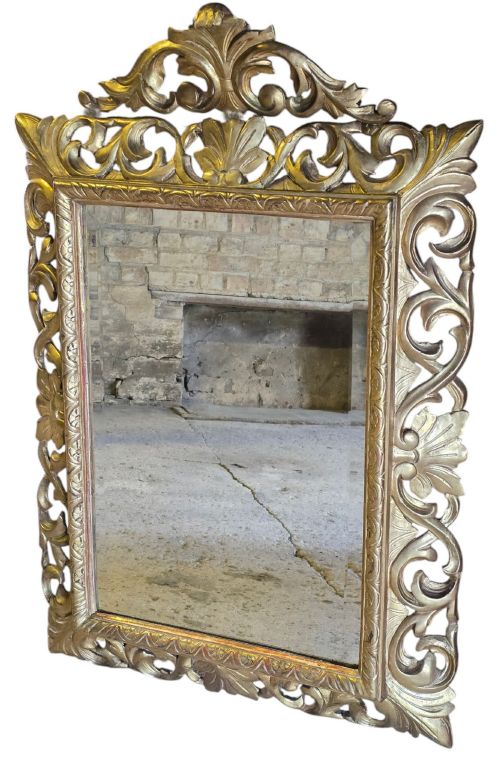
Florentine frames typically feature elaborate, deeply carved foliage, scrollwork, and openwork designs finished in gold leaf. These pieces focus heavily on ornate surface decoration rather than plain architectural lines.
Originating from the workshops of Florence, they often take the form of wall mirrors or picture frames designed to make a strong visual statement in a principal room.
How do I clean antique mirror glass?
Historic mirror plates and eglomise panels require gentle maintenance to preserve the silvering behind the glass and any hand-engraved details. Use a soft, dry microfibre cloth to remove dust rather than liquid sprays.
If moisture is necessary, apply a mild solution to the cloth rather than directly onto the glass to prevent liquid seeping beneath the edges of the frame.
Can I date a mirror by its glass?
Older mirror plates often show slight imperfections, ripples, or minor foxing where the backing has aged over time. These characteristics indicate genuine period manufacture rather than modern replacement glass.
Examining the bevel, thickness, and how the glass is secured into the rebate helps differentiate eighteenth and nineteenth-century examples from twentieth-century reproductions.