





Italian Marble Plant Stand
An italian marble plant stand brings classical architecture and dramatic veining into a room, offering a sturdy stage for greenery.
Italian Marble Plant Stand
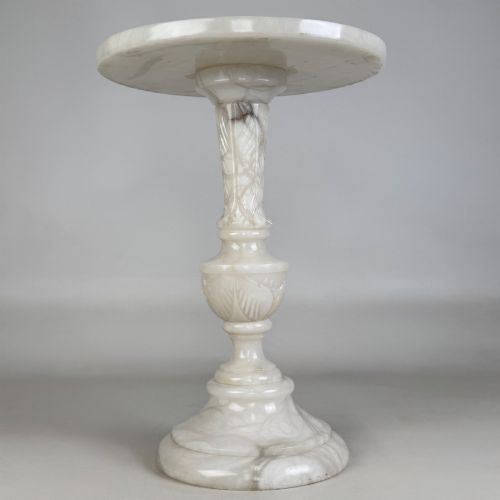
An italian marble plant stand sits within a tradition of pedestals, columns, side tables, and torcheres designed to elevate botanical displays or sculpture. These structural forms span the eighteenth century, nineteenth century, Edwardian era, and the decades leading to nineteen-thirty, reflecting enduring classical tastes.
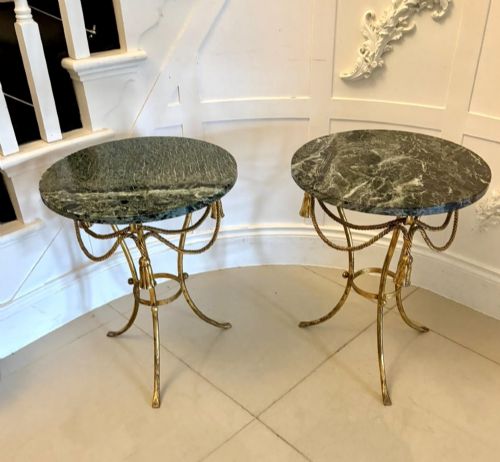
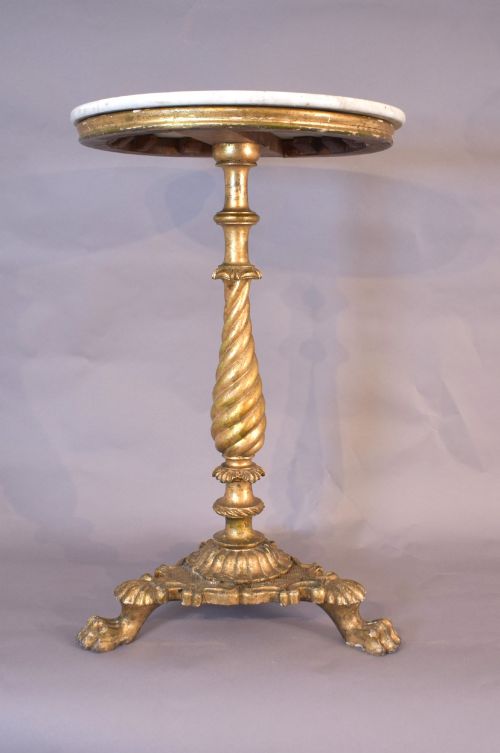
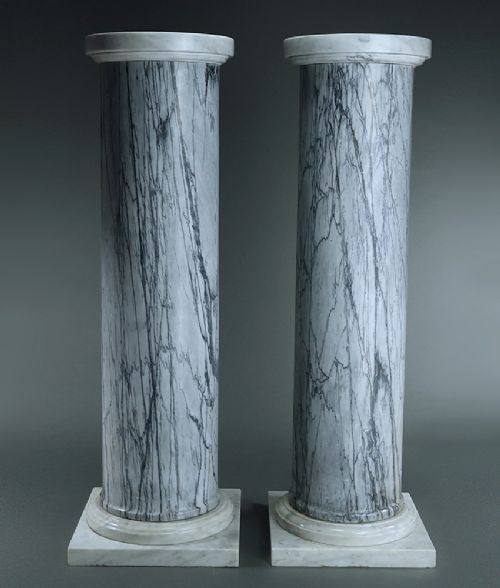
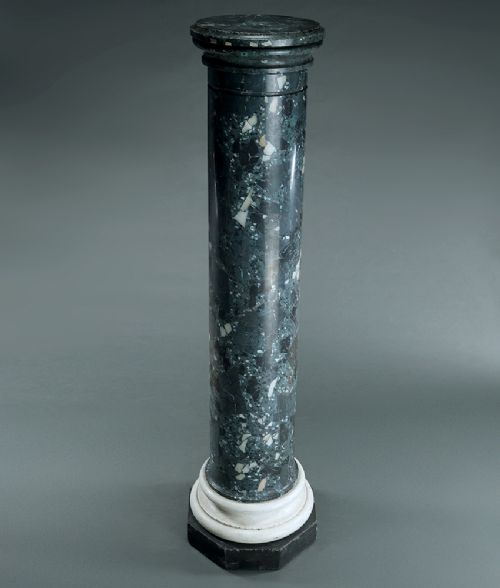
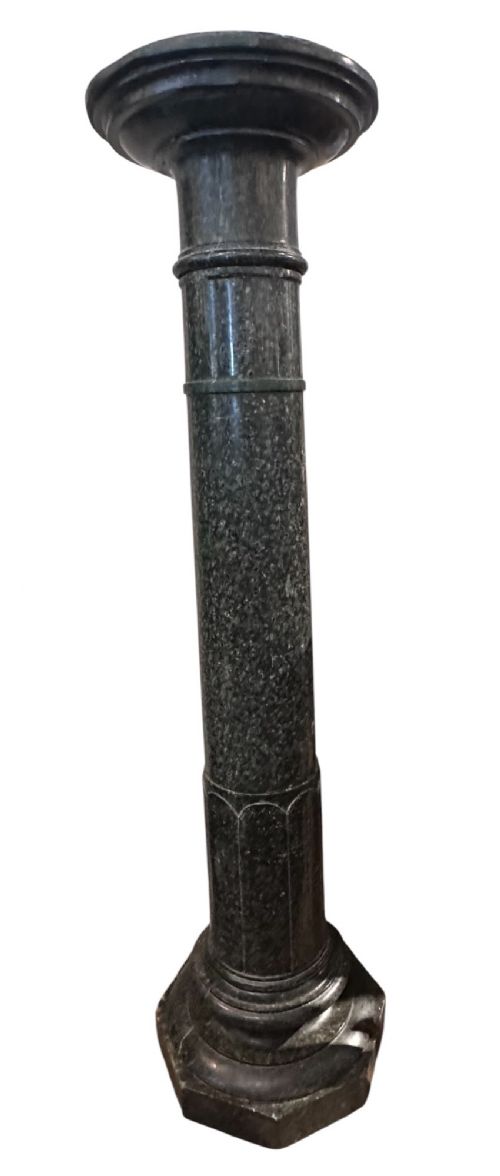
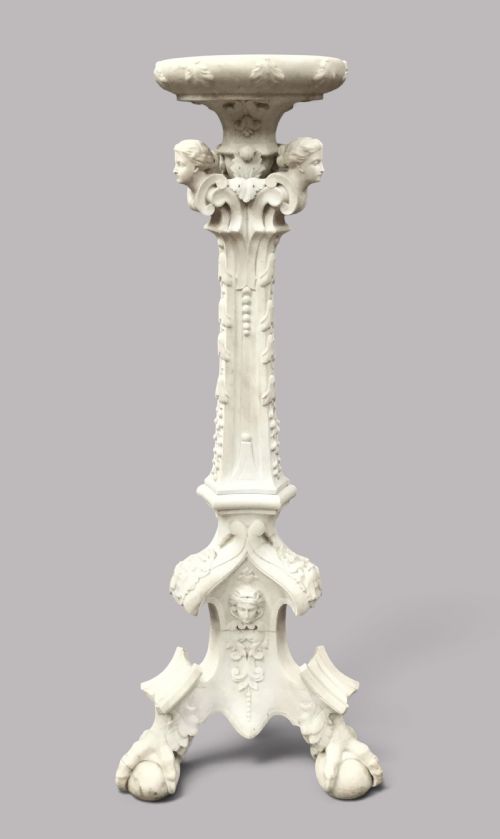
The pieces appearing on this page encompass carved alabaster plant stands, triform pedestals, giltwood supports, and square scagliola plinths. Buyers encounter tall columns as well as lower side tables paired with green verde marble, grey bardiglio, or white carrara.
Makers drew on neoclassical revival, italian baroque, rococo, and hollywood regency vocabularies to shape these heavy supports. Most items serve to lift plants into the light while anchoring a corner with substantial stone presence.
How they were made
Wooden elements incorporate carved giltwood and gilt metal mounts, providing metallic contrast or gilded warmth to cold stone tops. Joinery methods secure heavy stone surfaces to wooden or metal tripods and triform bases.
Turned pillars and engraved details required steady handwork on lathe beds or through direct stone carving. Structural stability relies on the dense mass of the stone counterbalancing the upright column.
Italian Marble Plant Stand Retail Price Guide 2026
Typical asking prices for italian marble plant stand among the pieces listed under this phrase on Sellingantiques today, from the lower quarter to the upper quarter. They describe what is for sale here now, not the wider market.
Periods represented span the eighteenth century, nineteenth century, Edwardian era, and the nineteen-twenties.
What varies in quality
The depth and ambition of the carving separate standard turned columns from pieces featuring detailed capitals, triform feet, or engraved pillars. Finer examples display meticulous hand-chased gilt metal or intricate figural wood carving that elevates the support beyond a mere utility.
The choice and figuring of the stone dictate visual impact, with striking natural veining in verde antico, bardiglio, or carrara commanding attention. Scagliola quality depends on the crispness of the inlaid colour work and the polish achieved on the plaster matrix.
Structural integrity and the weight-bearing balance of tripod and triform bases influence daily usability. Pieces that maintain plumb alignment under heavy loads reflect superior original assembly and sound timber seasoning.
The Italian Marble Plant Stand Glossary
- Scagliola
- A composite material made from pigmented selenite, glue, and plaster, manipulated to imitate costly marbles and stone inlay. Craftsmen polish the hardened surface to a high gloss.
- Verde Antico
- A dark green serpentine marble characterised by white or lighter green veining, favoured for classical revival columns and decorative architectural details. It provides strong chromatic contrast in interior settings.
- Triform
- A base or platform supported by three feet or arranged in a three-sided triangular configuration. This geometry ensures stability for tall, slender plant stands and torchere columns.
- Torchere
- A tall stand or pedestal originally designed to hold a torch or candle, later adapted for electric lamps or prominent flower pots. These pieces emphasise verticality and slender proportions.
- Bardiglio
- A grey Italian marble marked by darker grey or white streaks and clouding. It offers a muted alternative to stark white carrara while maintaining a dense stone surface.
Italian Marble Plant Stand: Frequently Asked Questions
How do I clean an italian marble plant stand?
Wipe surfaces gently using a soft, damp cloth without acidic cleaners or harsh detergents that etch polished stone.
Dry the marble thoroughly afterwards to prevent water marks and preserve the natural sheen of the material.
Can these stands support heavy potted plants?
The dense mass of stone columns and sturdy triform bases provides exceptional weight capacity for large greenery.
Ensure the plant pot sits evenly across the top surface to maintain balance and prevent tipping.
Where should I place a column in a room?
Position pedestals in empty corners, framing doorways, or beneath natural light sources to showcase plants effectively.
Allow enough clearance around the base so the structural form and veining remain fully visible.
How do I identify scagliola from real marble?
Touch the material to check for temperature, as natural stone feels noticeably colder than scagliola composition.
Examine the surface under close light to spot the plaster matrix rather than crystalline stone structure.