


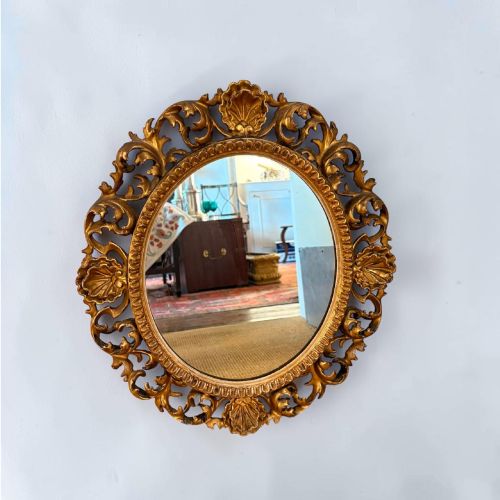
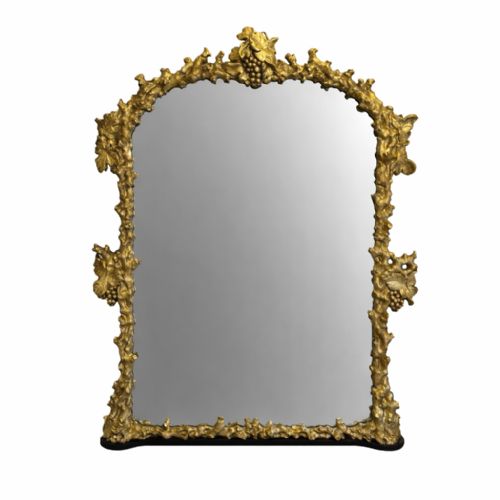

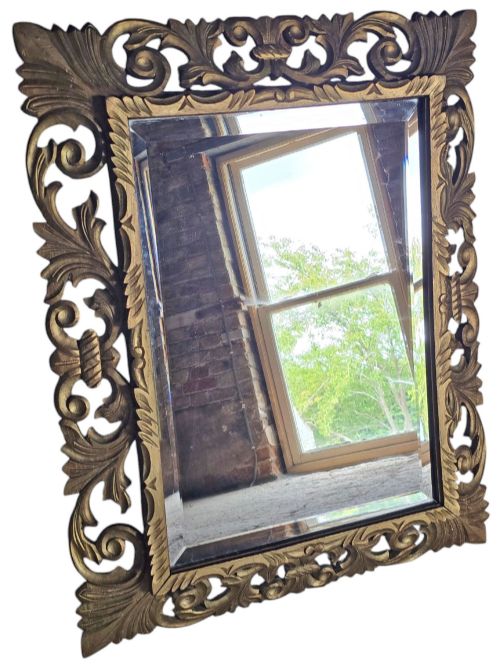
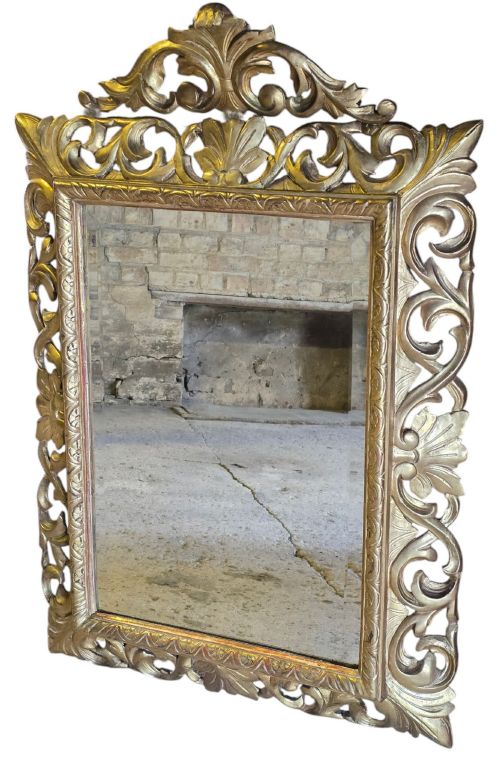

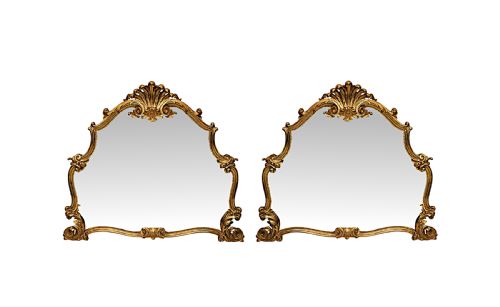
Italian Gold Mirror
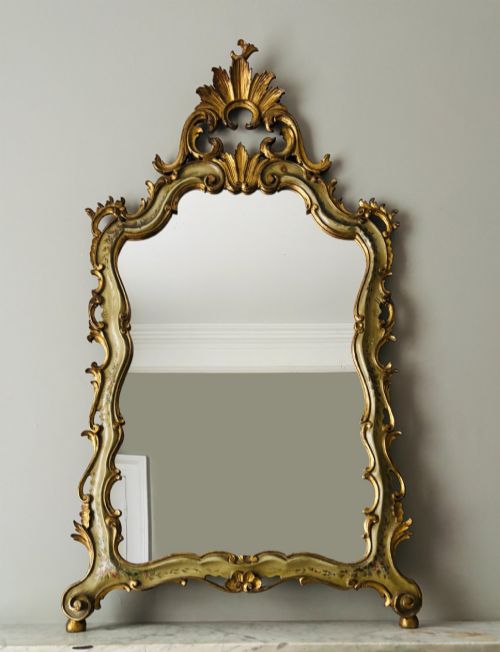
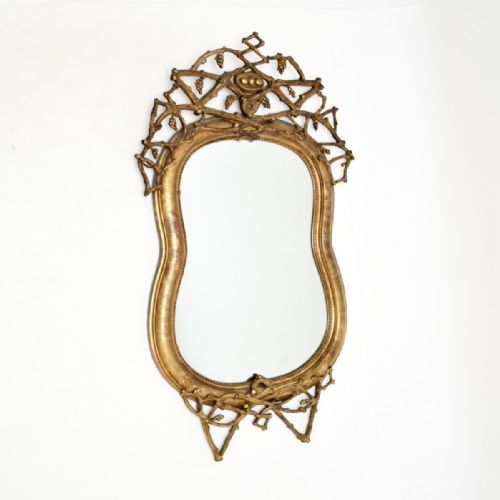
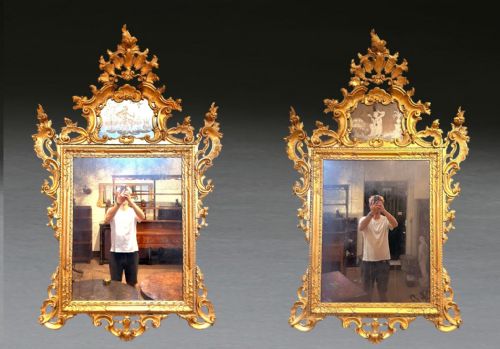
An italian gold mirror brings warmth and reflective depth to a room through carved giltwood and gesso surfaces shaped in Venetian or Florentine styles.
Italian Gold Mirror
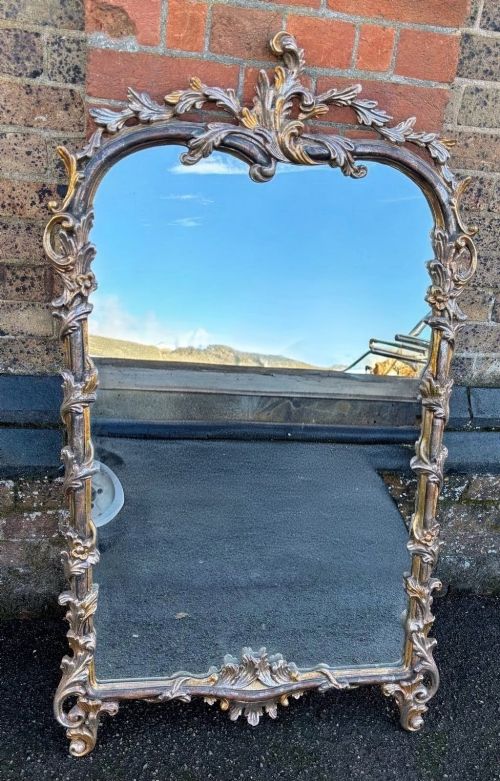
An italian gold mirror takes many decorative forms, ranging from grand overmantel and pier mirrors to wall-hanging cartouche shapes and smaller table mirrors. Buyers searching this phrase look for historic craftsmanship that brings striking presence to interior spaces.
The selections span centuries of design, with 18th century rococo and baroque examples appearing alongside 19th century revivals and later pieces from the 1920s and 1930s. Wall mirrors and carved picture frames dominate the offerings, often reflecting regional traditions from Venice and Florence.
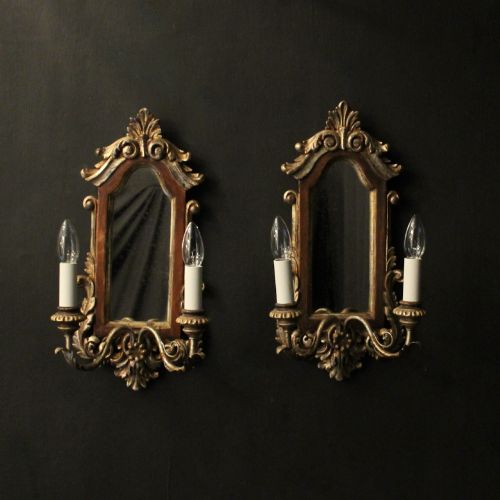
Makers and workshops utilised various formats including paired girandoles, console table sets, and cushion mirrors to furnish stately homes. Each object displays distinctive regional characteristics, from carved giltwood frames to painted polychrome details.
How they were made
Artisans constructed these frames primarily from carved wood and gesso, applying gold leaf and paint to create luminous metallic finishes. Some pieces incorporate silver and gold leaf surfaces alongside traditional gilding techniques.
Mirror glass plates, occasionally engraved or showing foxed patination, sit within elaborately pierced and scrolled wooden frameworks. Structural joinery and hand-carved ornamentation define the production methods across both Venetian and Florentine workshops.
Italian Gold Mirror Retail Price Guide 2026
Typical asking prices for italian gold mirror among the pieces listed under this phrase on Sellingantiques today, from the lower quarter to the upper quarter. They describe what is for sale here now, not the wider market.
Listings feature materials such as giltwood, gesso, carved wood, and mirror glass across pieces dating from the eighteenth century to the twentieth century.
What varies in quality
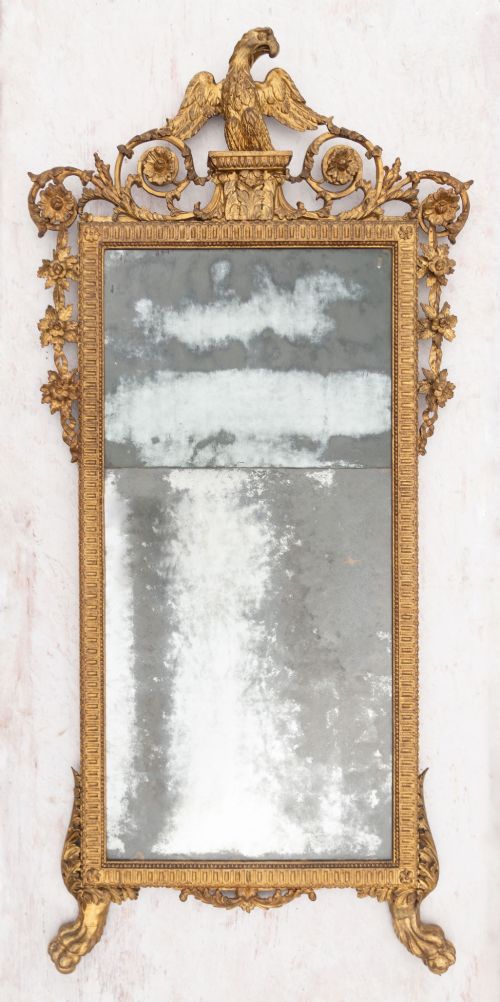
Depth and crispness of the hand-carved wood separate finer examples from simpler production, particularly in the scrollwork of rococo frames and floral motifs of Florentine pieces. The weight and complexity of the gesso application also dictate the definition achieved in high-relief ornamentation.
Originality of the gilding and preservation of the glass plate influence the character of an individual piece. Depth of the gold leaf layering and the survival of secondary paint or polychrome layers determine historical integrity.
Ciceri and Co
The Italian Gold Mirror Glossary
- Giltwood
- Wood that has been coated with a thin layer of gold leaf or gold paint. This finish provides the characteristic metallic brilliance seen on historic frames.
- Gesso
- A plaster-like mixture applied to wood surfaces as a smooth base for gilding and carving. It allows artisans to model intricate relief decoration before applying gold leaf.
- Cartouche
- An ornamental frame resembling a rolled-up piece of paper or parchment, often featuring asymmetrical scrollwork. This form is common in rococo wall mirrors.
- Girandole
- A branched wall-mounted fixture holding candles or lights, frequently paired with a reflective mirror plate. These pieces multiply candlelight within a room.
- Eglomise
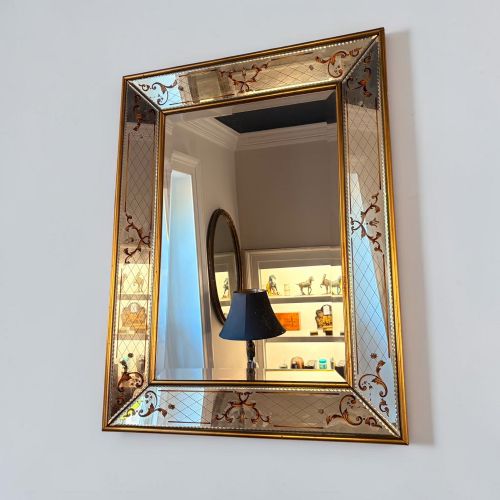
- A technique involving the application of gold or silver leaf to glass, combined with reverse painting. This method produces decorative borders and panels on specialised plates.
Italian Gold Mirror: Frequently Asked Questions
Where should an italian gold mirror be hung?
These mirrors function effectively above mantelpieces, console tables, or as standalone statement pieces in reception rooms. Their reflective surfaces capture and distribute natural light across darker corners.
Positioning the glass at eye level maximises the impact of the carved giltwood frame and allows viewers to appreciate the fine details of the craftsmanship.
How do I identify an 18th century piece?
Early pieces often feature hand-carved cartouche or baroque forms with original gilding and aged glass plates showing foxing. The weight of the timber and the depth of the gesso work point toward earlier production dates.
Regional traits, such as Venetian asymmetry or Florentine floral carving, help narrow down the period when compared alongside 19th century revival styles.
Are these mirrors fragile?
The carved wooden frames and layered gesso surfaces require careful handling during placement and cleaning to avoid chipping the delicate gold leaf. Supporting the full weight of the structure securely against the wall is essential for safe display.
Regular dusting with a dry, soft cloth maintains the metallic finish without introducing moisture that could damage historic gilding or original mirror plates.
What is a pier mirror?
A pier mirror is designed specifically to hang on the wall space between two windows, often paired with a matching console table underneath. This arrangement maximises interior light reflection in traditional rooms.
Surviving sets combine the table and mirror to create a unified decorative scheme typical of grand 19th century interiors.