



Italian Ceramic Vessels
These Italian ceramic vessels bring centuries of tin-glazed earthenware, terracotta and maiolica tradition straight into your home.
Italian Ceramic Vessels
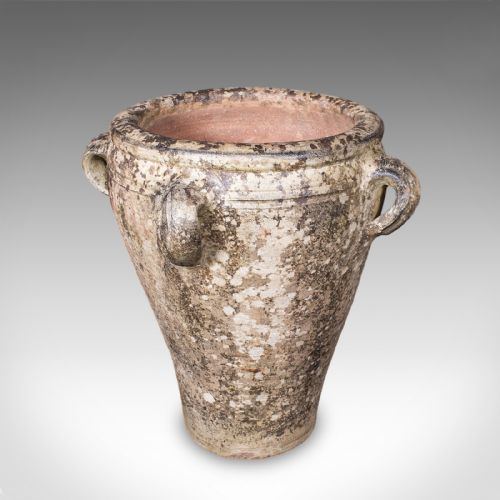
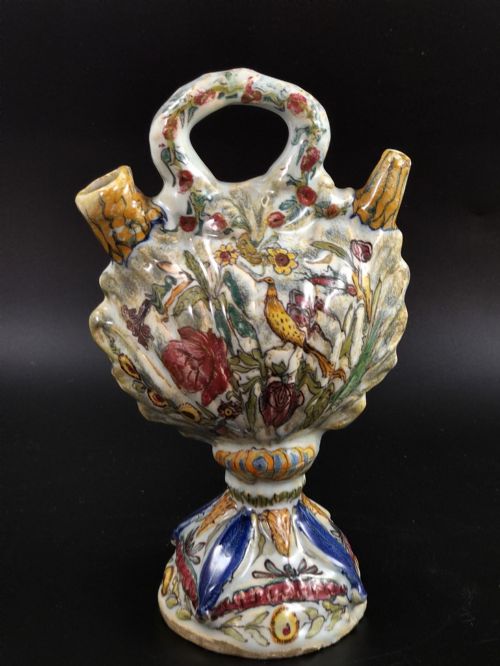
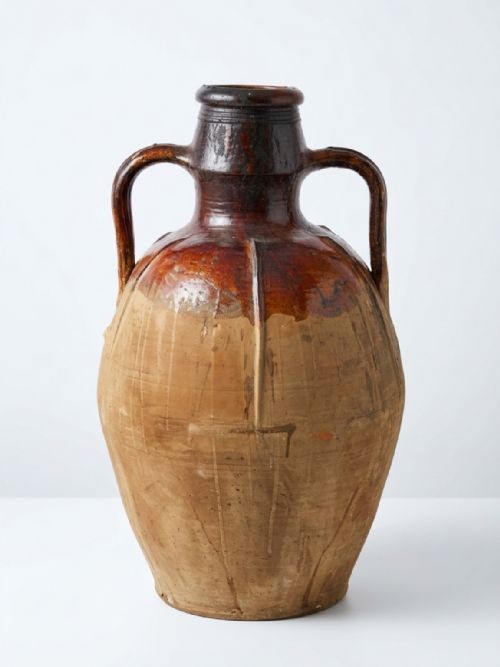
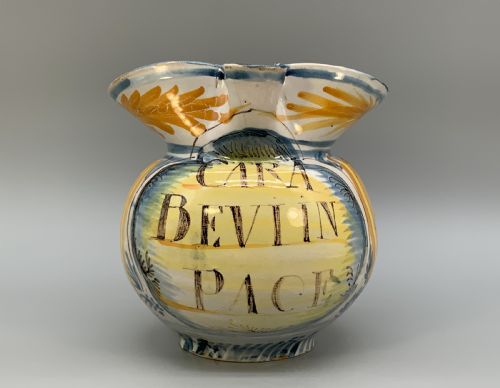
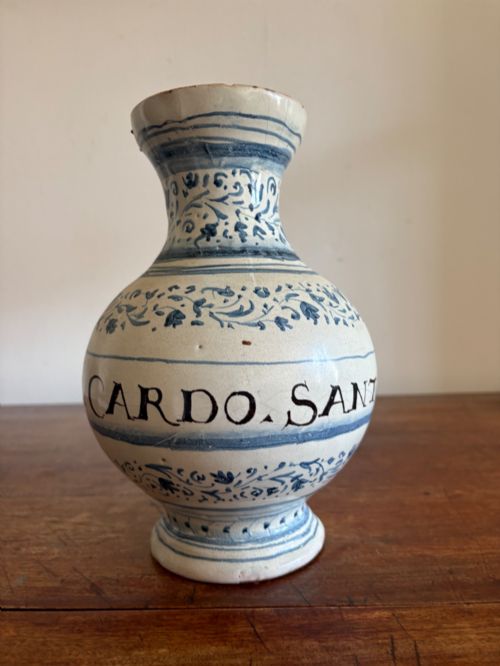
Italian ceramic vessels encompass a diverse range of forms, from apothecary jars and pharmacy jugs to garden planters, urns and pilgrim flasks. When you search for Italian ceramic vessels, you encounter pieces that served practical storage functions in pharmacies and households alongside purely decorative items.
The selections span multiple eras, with eighteenth-century pieces sitting alongside nineteenth-century revivals and early twentieth-century creations. Earthenware and terracotta form the physical backbone of these objects, shaped into traditional profiles such as the waisted albarello.
Regional diversity shapes the group significantly, featuring Tuscan rustic planters, southern Italian Naples wares and pieces associated with specific traditions like the Garofano pattern. Buyers most frequently meet nineteenth-century interpretations of earlier styles, alongside genuine eighteenth-century vessels.
Materials and methods
Potters shaped local clay and terracotta into robust bodies, utilising basic earthenware techniques passed down through generations. These vessels relied on substantial walls to contain liquids, dry drugs or garden soil.
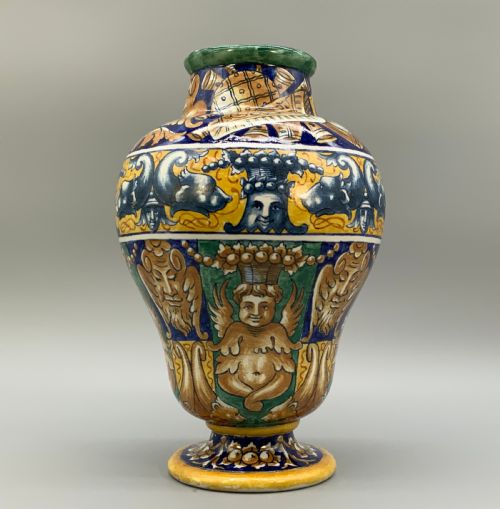
Makers applied tin glazes to create an opaque white or cream surface suitable for subsequent painting with mineral pigments. Polychrome designs incorporating manganese, yellow and blue sat atop this glazed foundation before firing.
Italian Ceramic Vessels Retail Price Guide 2026
Typical asking prices for italian ceramic vessels among the pieces listed under this phrase on Sellingantiques today, from the lower quarter to the upper quarter. They describe what is for sale here now, not the wider market.
Listings feature earthenware, terracotta and tin-glazed vessels spanning the eighteenth, nineteenth and early twentieth centuries.
Assessing quality
Quality rests in the precision of the hand-painted decoration, where confident brushwork and rich pigment saturation distinguish finer workshop output from standard production. The crispness of tin-glaze coverage and the harmony of polychrome palettes reveal the skill of the original decorator.
Form and proportion dictate success in these vessels, particularly in classical profiles like albarelli and pilgrim flasks where symmetry matters. Age-related weathering on terracotta garden planters adds genuine character when the material retains its structural integrity.
Gallilleo Chini for Mugello·Cantagalli
The Italian Ceramic Vessels Glossary
- Albarello
- A cylindrical earthenware jar used in pharmacies to store ointments and dry drugs. Its waisted shape allowed pharmacists to stack vessels tightly on shelves.
- Maiolica
- Tin-glazed earthenware produced in Italy, typically decorated with colourful metallic oxide pigments on a white background. This technique reached high artistic levels during the Renaissance and inspired later revival pieces.
- Pilgrim flask
- A flattened pear-shaped or circular vessel with side lugs for suspension cords. Travellers originally carried water in these durable containers.
- Tin glaze
- An opaque white glaze produced by adding tin oxide to a lead glaze base. It provides a smooth canvas for hand-painted ceramic decoration.
- Polychrome
- Decoration utilising multiple distinct colours. In these ceramics, palette choices often involved manganese, yellow, blue and green pigments.
Italian Ceramic Vessels: Frequently Asked Questions
What were apothecary jars used for?
Apothecary jars held dried herbs, medicinal syrups, ointments and chemical compounds in historical pharmacies and dispensaries. Pharmacists labelled these vessels clearly to identify the contents stored within.
Over time, many of these utilitarian containers transitioned into decorative display items on household shelves due to their striking hand-painted designs.
How do I distinguish eighteenth-century pieces from nineteenth-century revivals?
Eighteenth-century vessels often display the slightly irregular forms, organic pigment variations and natural glaze ageing typical of period workshop production. Nineteenth-century revival pieces frequently emulate these earlier Renaissance and Baroque styles with distinct decorative interpretations.
Examining the foot rim, clay body and pigment behaviour under magnification helps clarify the actual period of manufacture.
Can terracotta garden planters stay outside year-round?
Terracotta garden planters suit outdoor placement, though porous earthenware absorbs moisture that can freeze and crack during severe winter frosts. Gardeners often elevate these vessels on pot feet to improve drainage.
Bringing sensitive terracotta indoors during freezing weather preserves the structural integrity of the material.
What is a pilgrim flask?
A pilgrim flask is a traditional flattened vessel featuring small side loops designed for suspension cords or straps. Pilgrims and travellers carried these durable containers filled with water on long journeys.
Decorative iterations later evolved into ornamental display pieces shaped like scallop shells or decorated with pictorial scenes.