



Italian Carved Seat
An italian carved seat brings centuries of historic craft into a room, combining solid timber frames with elaborate sculptural detail.
Italian Carved Seat
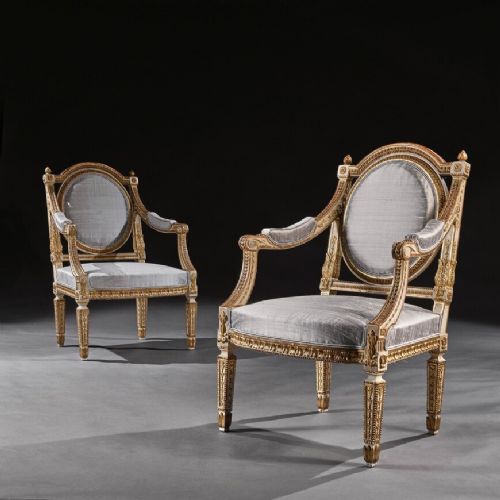
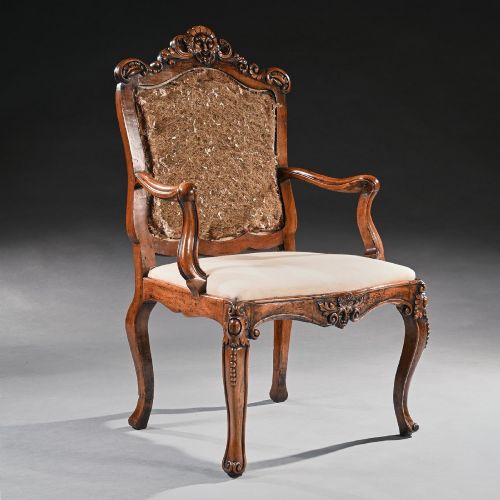
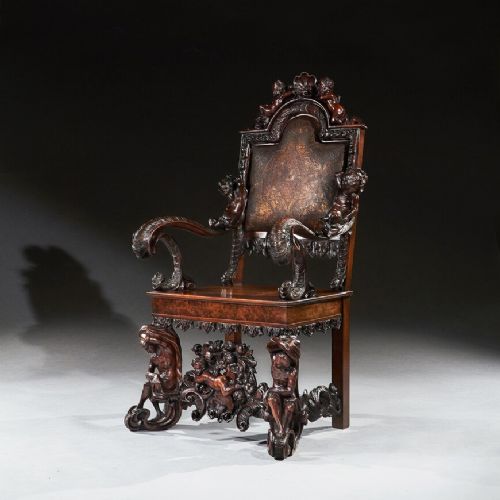
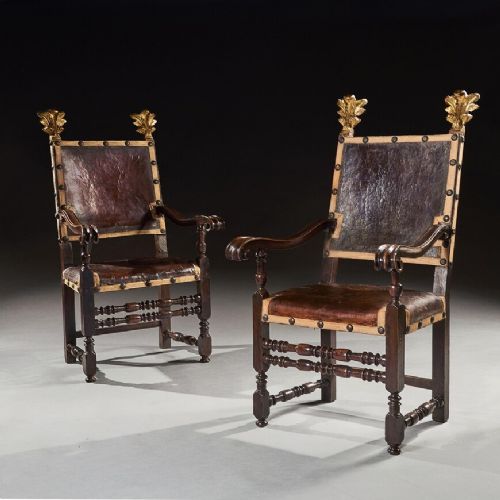
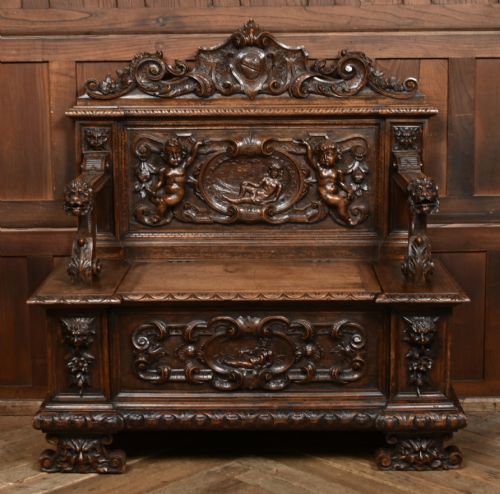
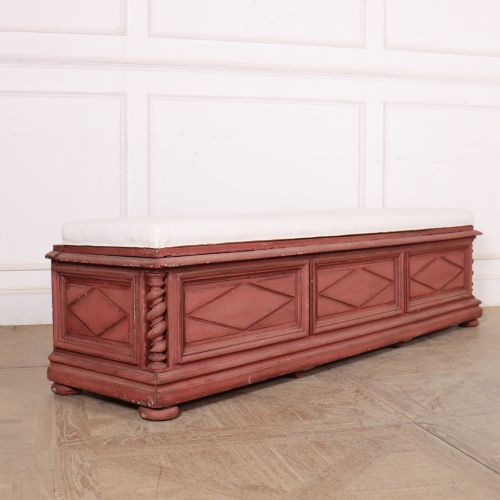
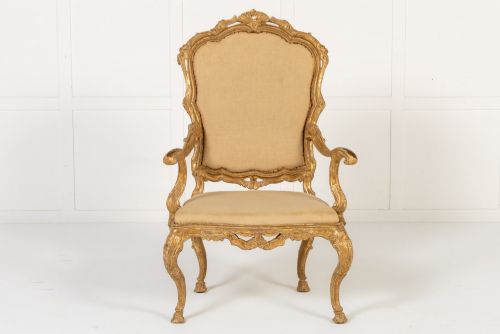
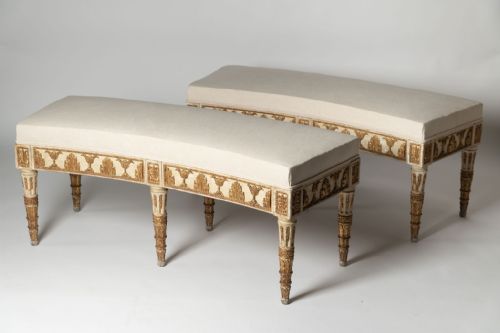
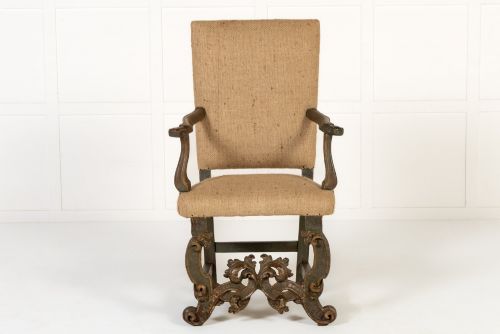
An italian carved seat covers a diverse array of antique forms, ranging from sturdy walnut armchairs and high-backed hall benches to delicate giltwood stools and painted side chairs. Buyers searching this phrase encounter historic seating originating from various Italian periods, including the seventeenth, eighteenth and nineteenth centuries.
How they were made
Cabinetmakers and master carvers constructed these frames predominantly from solid walnut, oak and other hardwoods, utilising traditional joinery methods to ensure structural longevity. Artisans applied hand-carved ornamentation directly into the timber, creating deep relief patterns of figures, foliage and scrolls.
Surface decoration frequently involved intricate giltwood, gold leaf, gesso or painted finishes layered over the wood base. Upholstered elements relied on traditional stuffing techniques secured with textile, leather or fabric coverings.
Italian Carved Seat Retail Price Guide 2026
Typical asking prices for italian carved seat among the pieces listed under this phrase on Sellingantiques today, from the lower quarter to the upper quarter. They describe what is for sale here now, not the wider market.
Watch for vigilant wooden putti and stern marble lions keeping watch over these historic seats.
What varies in quality
The distinction between ordinary and exceptional pieces lies in the depth and precision of the hand-carved detail across the wooden frame. Superior examples display crisp, spirited execution by skilled hands, particularly in complex figural motifs or ornate crest rails.
Originality of surface finish and the integrity of the timber structure heavily influence the standing of an antique seat. Retaining authentic gilding, original paint or untouched walnut patination elevates the piece far above later alterations or heavy restorations.
Andrea Brustolon·White Allom And Co
The Italian Carved Seat Glossary
- Giltwood
- Wood that has been treated with a thin layer of gold leaf or gold powder applied over a prepared ground such as gesso. This finish creates a luminous, reflective surface seen on formal Italian armchairs and stools.
- Cassapanca
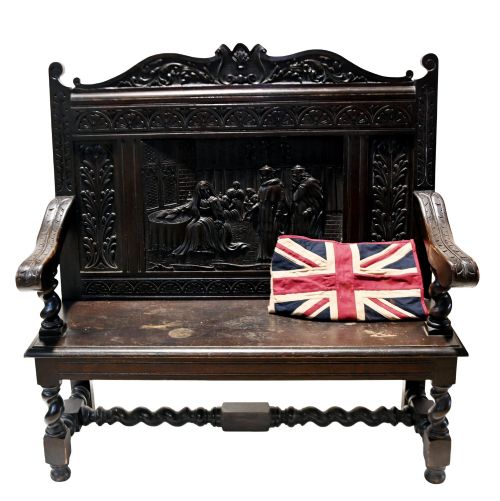
- A traditional Italian wooden bench featuring a hinged seat that opens to reveal a storage chest beneath. These substantial pieces often incorporate carved backrests and arm supports.
- Sgabello
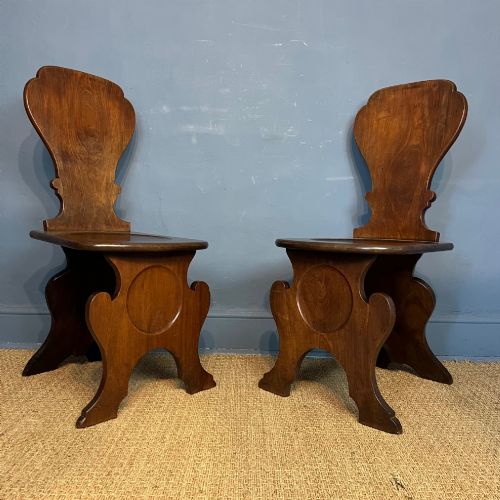
- A type of historic wooden chair characterised by a high, shaped back and solid trestle-style legs rather than four distinct posts. They typically served as hall chairs in grand Italian interiors.
- Curule stool
- An ancient Roman stool design featuring two curved legs intersecting in an X-shape to form a supportive folding frame. Nineteenth-century revivals adapted this classical form into giltwood and gesso seating.
- Parcel-gilt
- A decorative treatment where only specific portions of a wooden object are highlighted with gold leaf while the rest of the surface shows painted wood or stained walnut.
Italian Carved Seat: Frequently Asked Questions
Where should I place an antique Italian bench?
These long wooden benches and cassapancas suit wide hallways, entrance lobbies or large living spaces where their substantial carved backs and storage compartments can be appreciated.
They also function effectively against blank walls as statement architectural furniture rather than everyday lounging seats.
How do I care for giltwood frames?
Giltwood requires gentle dusting with a soft, dry brush to protect the delicate gold leaf and gesso layers from damage.
Keep these pieces away from direct sunlight and moisture to prevent the underlying wood and preparation layers from cracking.
Are these chairs comfortable for daily use?
Historic seating designed during the seventeenth and eighteenth centuries often prioritizes formal posture and visual display over modern ergonomic cushioning.
Upholstered armchairs offer softer support, while wooden sgabello or side chairs function best as occasional seating or decorative accents.
How can I tell a Baroque chair from a Rococo one?
Baroque seats display symmetrical, muscular forms with heavy walnut framing, bold architectural lines, and robust ornamentation.
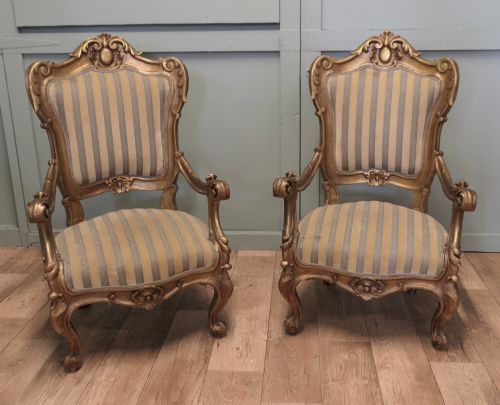
Rococo examples introduce asymmetrical curves, lighter proportions, and playful carved motifs like scrolling foliage and shells.