



Italian Carved Cupboards
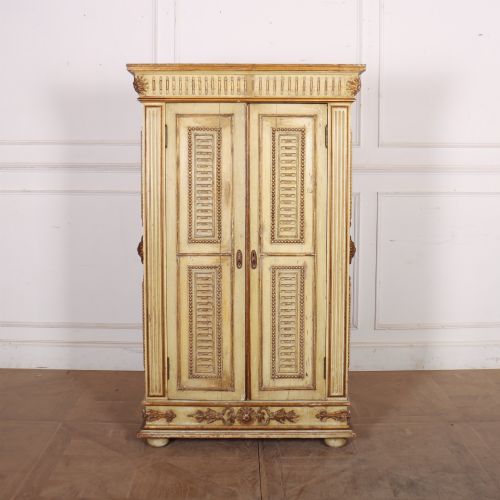
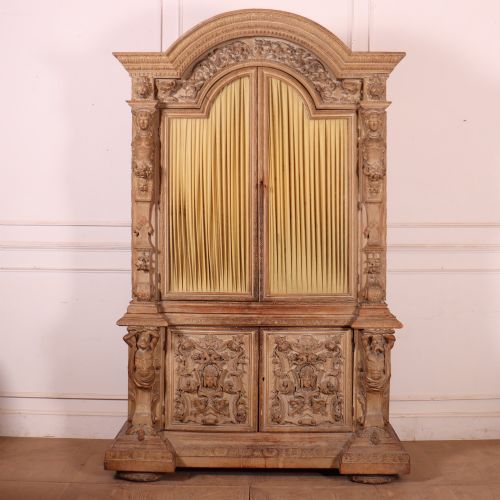
Italian carved cupboards bring robust presence and intricate hand-carved detail into a room, offering both sculptural weight and generous storage.
Italian Carved Cupboards
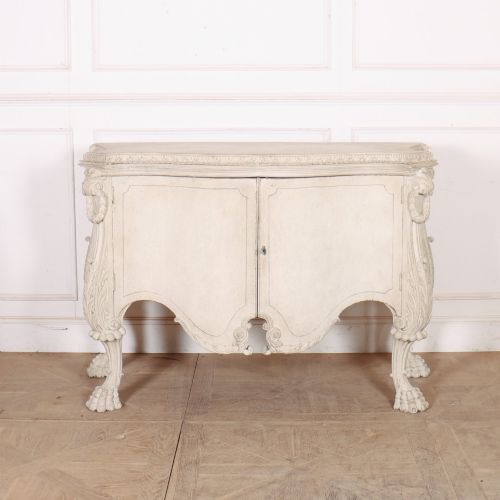
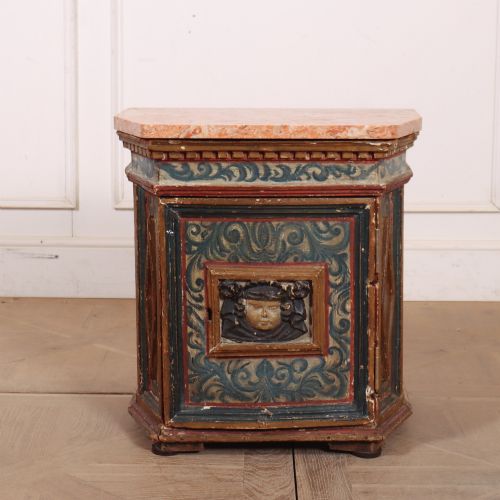
When buyers search for Italian carved cupboards, they encounter substantial storage forms ranging from monumental credenzas and sideboards to apothecary cabinets, pedestal cupboards, and vitrines. These storage pieces originate primarily from the eighteenth and nineteenth centuries, spanning distinct stylistic revivals such as Renaissance Revival, Baroque, Rococo, and Neoclassical designs.
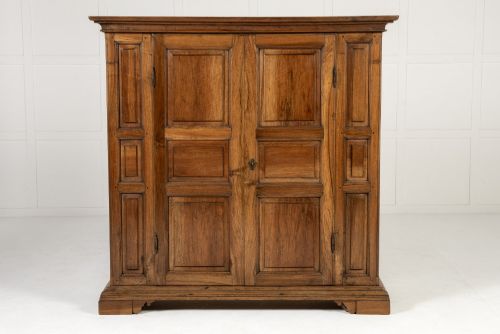
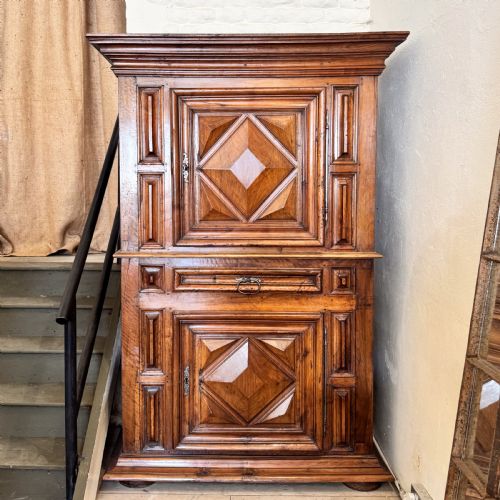
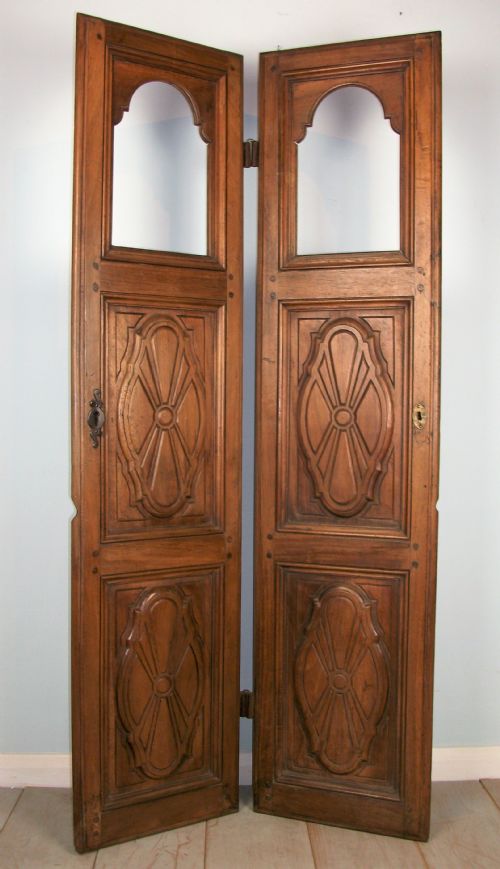
The versions most frequently met on this page are constructed from walnut, often featuring panelled doors, architectural mouldings, and elaborate carving. Examples extend from large monumental sideboards to smaller bedside tables and specialised display cabinets, reflecting the broad domestic and institutional roles these wooden furnishings fulfilled across Italian regions.
How they were made
The primary material underpinning these pieces is walnut, selected for its dense grain and capacity to hold sharp, deep chisel work. Craftsmen combined solid timber construction with hand-carved ornamentation, utilising iron hinges, brass mounts, and occasionally marble tops or painted wood surfaces to complete the structures.
Joinery techniques rely heavily on panelled door construction and robust framing to support heavy timber proportions. Carving is executed directly into the solid wood surfaces, creating high-relief ornamentation, figurative elements, and architectural motifs characteristic of Italian workshop traditions.
Italian Carved Cupboards Retail Price Guide 2026
Typical asking prices for italian carved cupboards among the pieces listed under this phrase on Sellingantiques today, from the lower quarter to the upper quarter. They describe what is for sale here now, not the wider market.
Listings feature walnut predominantly, alongside painted wood, iron, brass, and marble elements across various cabinet forms.
What varies in quality
Quality in these pieces is dictated by the depth, crispness, and artistic ambition of the wood carving. Finer examples display fluid, deeply undercut relief work and balanced proportions, whereas simpler pieces rely on basic panel construction and restrained surface moulding.
The selection of raw materials also determines the tier of the piece, with choice figured walnut timber and integrated marble elements marking out the more ambitious commissions. Original hardware, such as period ironwork and brass fittings, further separates standard regional items from exceptional sculptural works.
The Italian Carved Cupboards Glossary
- Credenza
- A buffet or sideboard originating from Renaissance Italy, typically featuring low storage cupboards and heavy mouldings. It served initially for displaying plate before evolving into a general storage form.
- Baroque
- An ornate European style spanning the seventeenth and eighteenth centuries, characterised by drama, exuberant carved movement, and rich architectural details. Italian interpretations often employ bold walnut relief carvings.
- Vitrine
- A glass-fronted display cabinet designed for the presentation of porcelain, books, or curiosities. These pieces incorporate glazed doors to protect contents while maintaining visibility.
Italian Carved Cupboards: Frequently Asked Questions
What are Italian carved cupboards?
These pieces are substantial wooden storage furniture, including sideboards, credenzas, and cabinets originating from Italy across the eighteenth and nineteenth centuries. They are defined by robust walnut construction and elaborate hand-carved ornamentation.
Buyers select them to anchor dining rooms or living spaces, utilising their generous interior compartments for storage while displaying their sculptural wood facades as focal points.
How do I date an Italian cupboard?
Dating relies on examining the timber species, joinery methods, and the specific decorative vocabulary of the carved elements. Eighteenth-century pieces often display hand-cut joinery and Baroque or Neoclassical motifs.
Later nineteenth-century examples frequently adopt Renaissance Revival styles with heavier, more theatrical carving. Hardware and secondary woods also provide clues to the exact period of manufacture.
Where were these cupboards used?
Historically, these storage pieces belonged in the principal rooms of grand Italian residences, palazzos, and provincial villas. Credenzas and sideboards functioned primarily in dining and reception spaces for serving and storage.
Smaller pedestal cupboards and apothecary cabinets served specialised storage functions in private chambers or institutional dispensaries, reflecting the versatile role of cabinetry in Italian interiors.
How do I care for walnut furniture?
Walnut requires stable indoor humidity levels to prevent timber movement, cracking, or shrinkage in the heavy carved panels. Keep pieces away from direct heat sources and strong sunlight to preserve the finish.
Dust surfaces regularly with a dry cloth and apply occasional natural wax formulations sparingly to nourish the antique wood without building up heavy residues.