





Italian Carved Chair
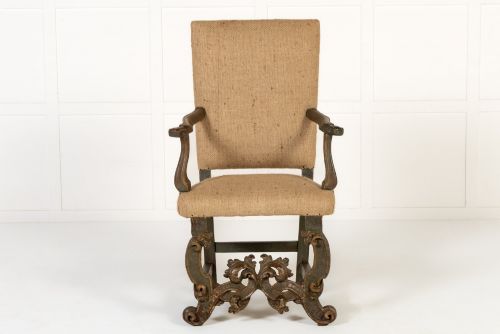
An italian carved chair brings exuberant continental form and deep-relief woodwork into a room, spanning Baroque grandeur and Rococo curves.
Italian Carved Chair
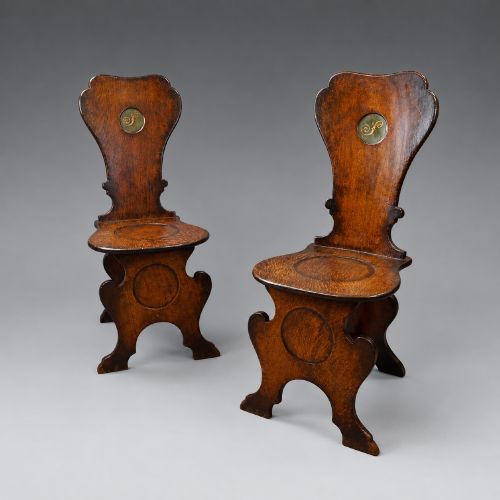
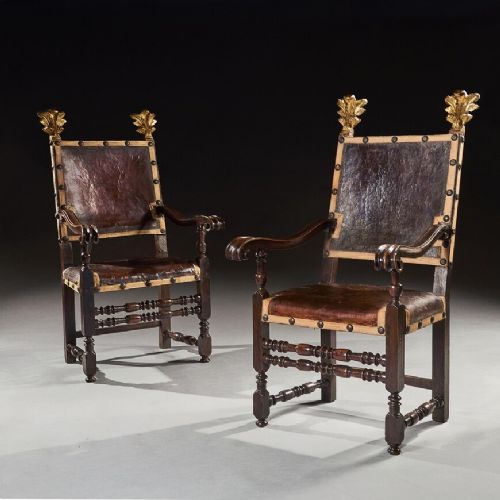
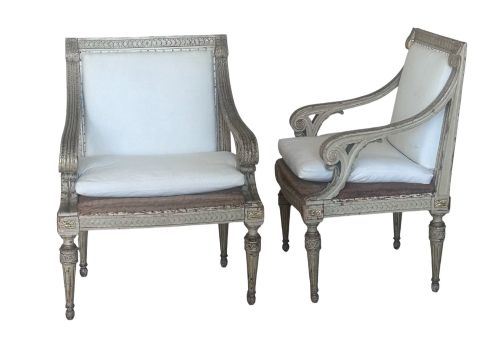
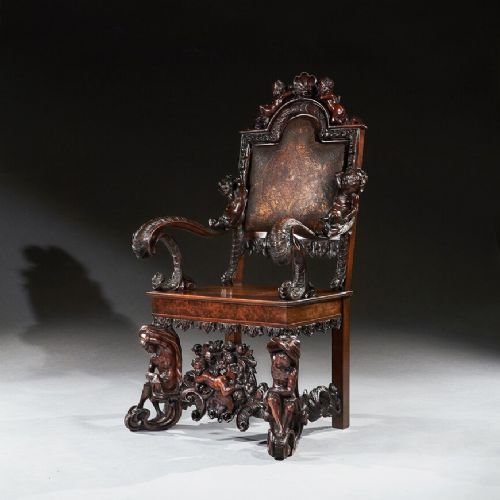
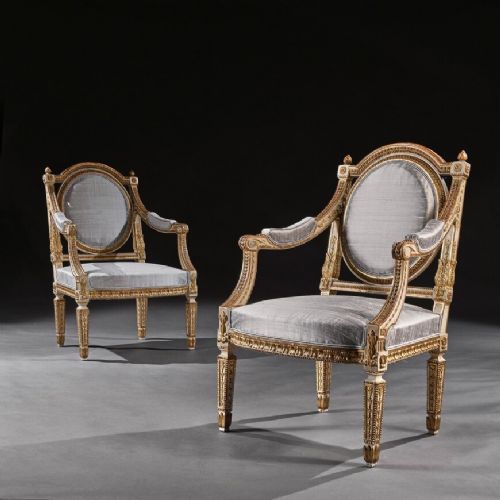
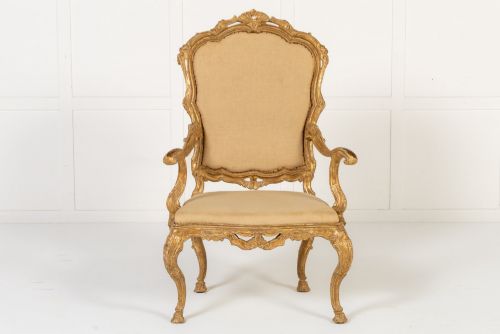
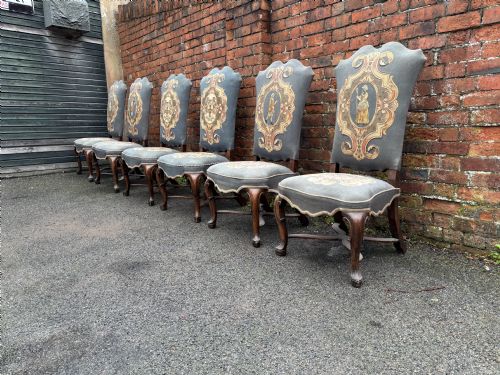
When searching for an italian carved chair, buyers encounter diverse forms ranging from high-backed audience armchairs and sgabello hall chairs to painted neoclassical seating, giltwood armchairs, and folding X-framed designs. These pieces span centuries from the seventeenth through the nineteenth, encompassing distinct regional aesthetics such as Venetian, Piedmontese, and Lombardy workshops.
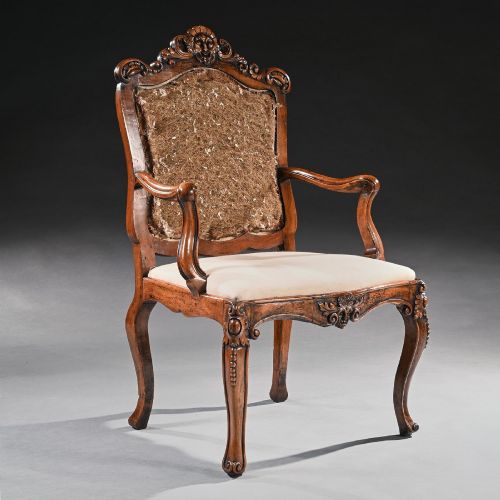
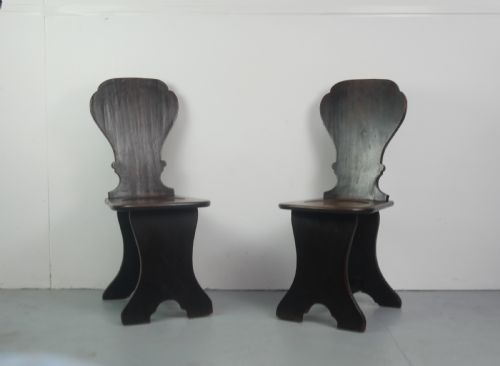
The walnut armchair stands as the most frequent meeting point on this page, often exhibiting elaborate crest rails, figural elements, and robust joinery typical of eighteenth-century production. Alongside these stand simpler hall chairs, decorative painted pairs, and grand giltwood salon pieces designed for formal reception rooms.
Materials and Construction
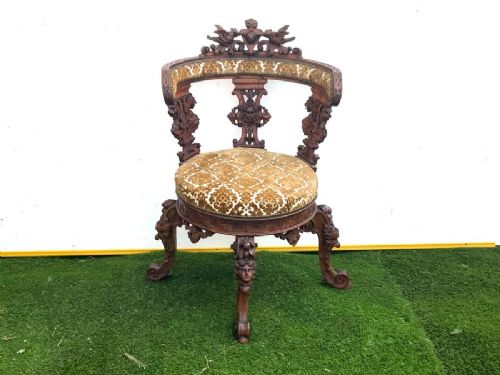
Solid walnut and oak form the structural core of these chairs, shaped through intensive hand carving that yields deep relief work, figural motifs, and crisp foliage. Artisans utilised traditional joinery alongside turned components like bobbin supports and X-frame folding structures to build durable seating frames.
Surface finish defines much of the visual impact, employing applications of gesso, gold leaf, silver gilt, and paint alongside exposed waxed timber. Leather, textile, and needlework upholstery secure the seating function, occasionally complemented by intricate bone inlay.
Listings feature walnut as the dominant primary timber across seventeenth and eighteenth-century Italian seating forms.
Craftsmanship and Execution
The depth, sharpness, and anatomical precision of the woodwork separate standard production from exhibition quality pieces, particularly where figures and complex scrolls are concerned. Superior examples display fluent chisel work with undercut details that create strong shadows and dynamic movement across the frame.
The integrity of the original surface finish, whether intact parcel-gilt, layered paint, or aged walnut patina, dictates the standing of a piece. Original upholstery systems, historic gilding application, and balanced proportions across pairs or sets elevate individual items above later adaptations or heavily restored examples.
Andrea Brustolon·White, Allom & Co·Henry Thomas Peters
The Italian Carved Chair Glossary
- Sgabello
- A type of wooden hall chair featuring a high back and trestle or slab supports instead of standard legs. These sixteenth-century revival forms often display carved armorial bearings on the back panel.
- Giltwood
- Timber coated with a thin layer of gold leaf over a prepared gesso ground. This treatment creates a luminous metallic finish common on formal Italian Baroque and Rococo seating.
- Savonarola chair
- A folding X-frame armchair constructed from multiple curved wooden slats. Named after the fifteenth-century Dominican friar, this design folds scissor-style for transport.
- Barocchetto
- The Italian variant of the Rococo style characterised by asymmetrical curves and playful ornamentation. Chairs from this movement feature lighter proportions than their heavy Baroque predecessors.
- Parcel-gilt
- A decorative technique where specific carved details or highlights are gilded while the underlying wood or paint remains visible. This method accentuates the dimensionality of floral and figural motifs.
Italian Carved Chair: Frequently Asked Questions
How do I spot a reproduction?
Examine the tooling marks within recessed carved areas to determine if hand chisels or modern high-speed rotary tools shaped the timber. Genuine period pieces exhibit slight irregularities in symmetry and tool execution that reveal manual labour.
Check the timber for natural shrinkage, oxidation, and wear patterns appropriate to the stated century. Old joinery methods, pegged joints, and dry patination support authenticity, whereas uniform surfaces and machine-cut tenons indicate later manufacture.
Were these chairs used daily?
Many grand gilded and carved armchairs served ceremonial or decorative functions in state rooms rather than everyday sitting. Noble audience chairs and giltwood salon seats were designed to project status during formal gatherings.
Conversely, walnut side chairs, hall chairs, and smaller sgabello seating endured regular household use. Their robust timber construction allowed them to withstand heavy domestic traffic in corridors and dining spaces.
Can these chairs be reupholstered?
Upholstery can be replaced using traditional techniques and historically sympathetic textiles like needlework, damask, or leather. Retaining the original webbing structure and padding layers preserves the internal integrity of the frame.
Consult a restorer experienced in antique seating to ensure tack holes and frame edges suffer no new damage during the re-covering process. Selecting appropriate period fabrics maintains the historical context of the piece.