

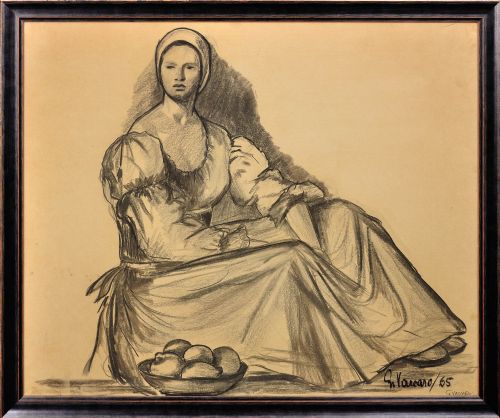
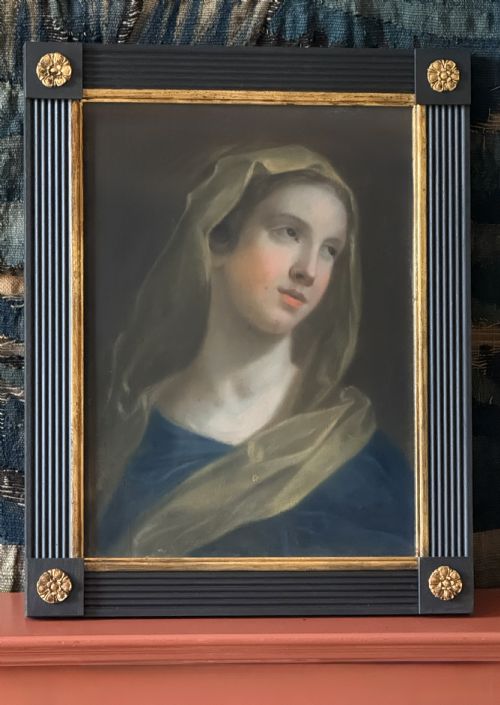
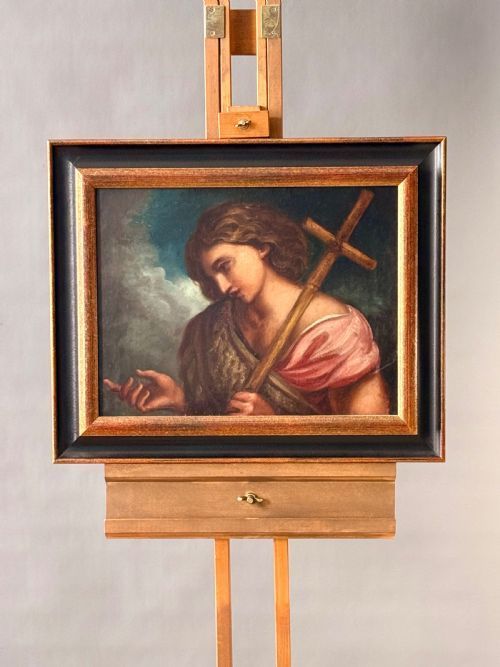



Italian Baroque Frame
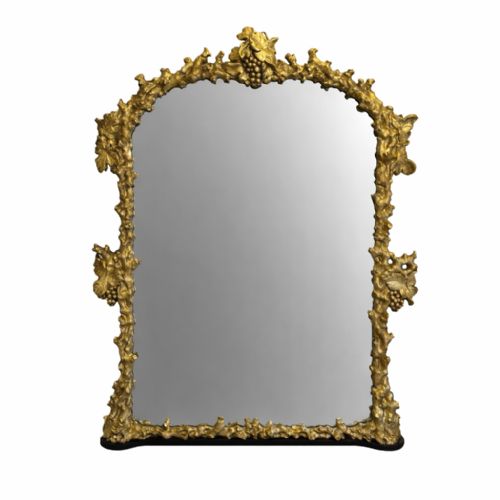
An italian baroque frame brings theatrical depth to a room, framing mirrors, paintings and devotions with exuberant carved ornament.
Italian Baroque Frame
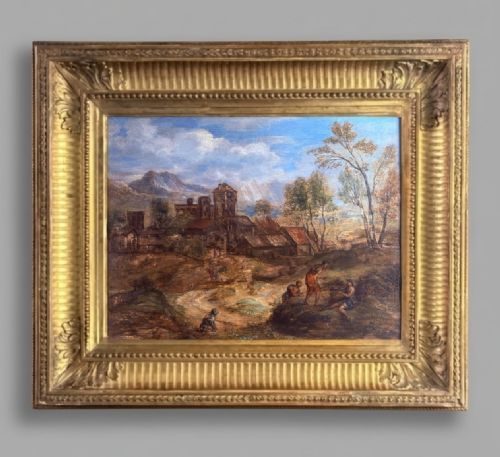
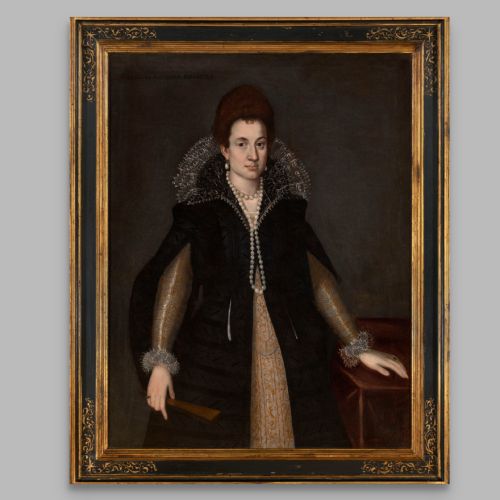
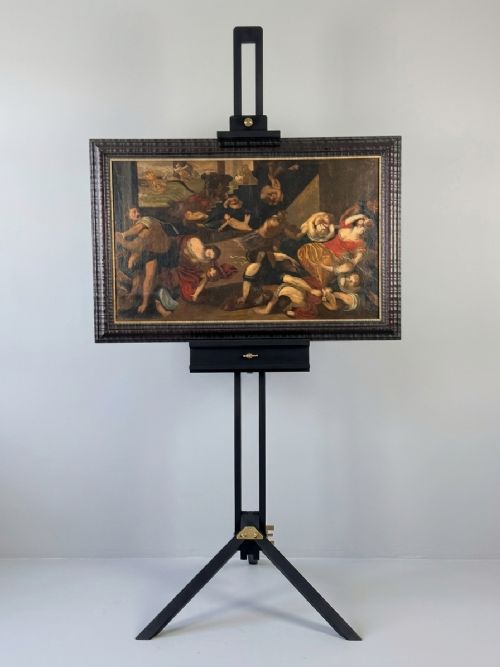
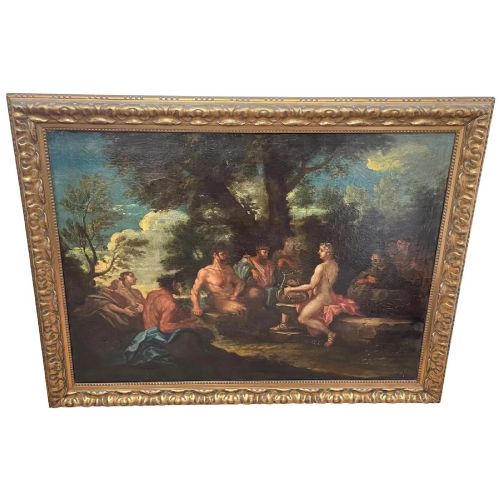
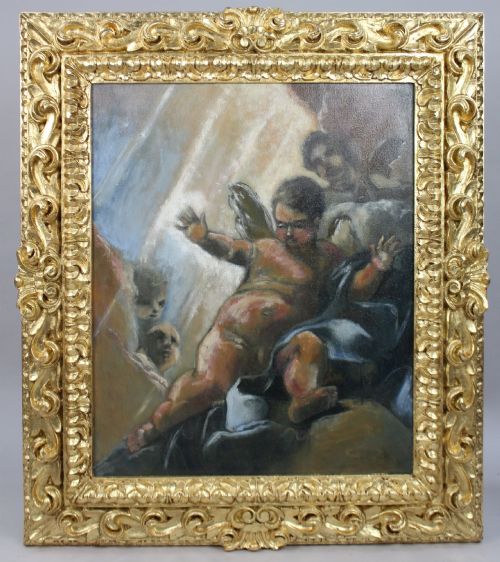
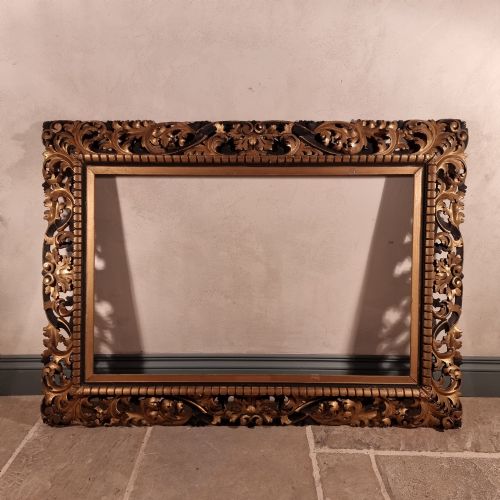
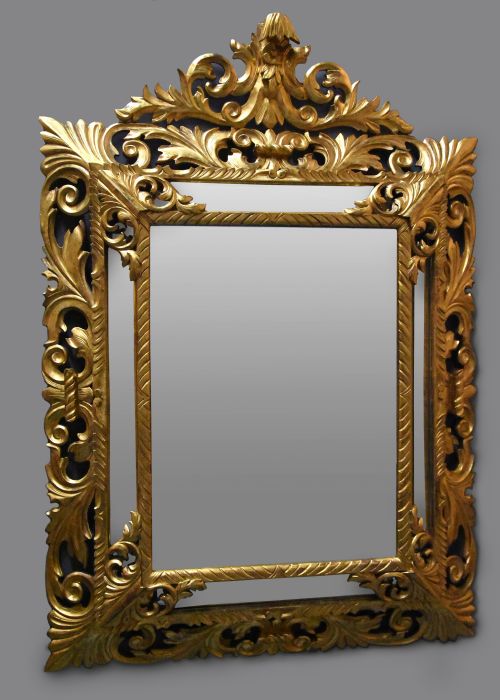
When searching for an italian baroque frame, you encounter heavily ornamented architectural surrounds designed to house oil paintings, mirrors and religious icons. These pieces originate across centuries, spanning the seventeenth century through to nineteenth-century revivals.
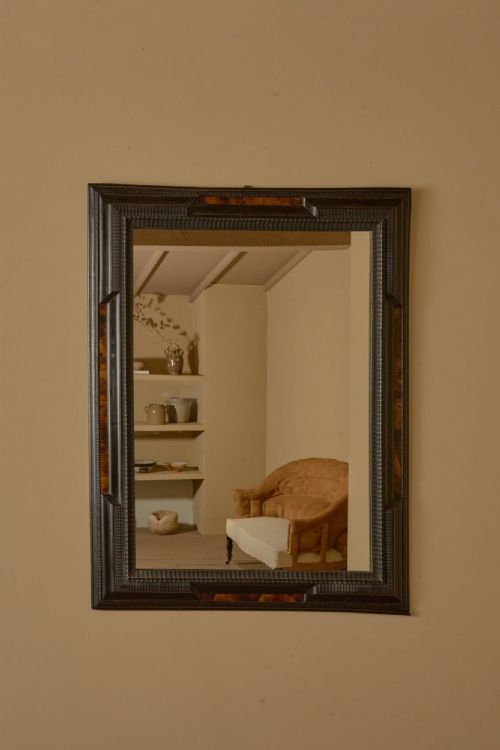
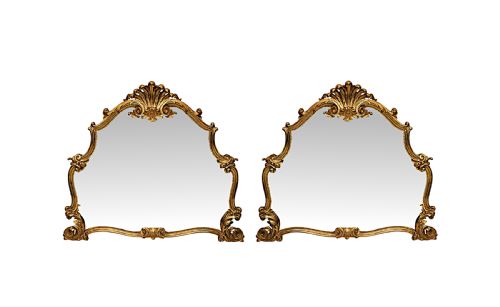
The items listed on this page take the form of wall mirrors, picture frames and devotional reliquaries. Florentine and Venetian workshops dominate the selection, producing ornate wall mirrors and carved wooden surrounds.
Many examples combine functional glass or canvas with elaborate timber construction. You find seventeenth-century panels, eighteenth-century miniatures and later nineteenth-century revival pieces sharing similar decorative vocabularies.
How They Were Made
Carved wood forms the structural base for these items, utilising limewood and general timber shaped by hand. Craftsmen applied gesso layers over the carved wood to prepare a smooth surface for subsequent finishing.
Giltwood and gold leaf finishes provide the characteristic metallic brilliance seen across the pieces. Artisans also employed silver leaf, silvered surfaces and ebonised treatments alongside faux tortoiseshell to achieve contrasting visual depths.
Italian Baroque Frame Retail Price Guide 2026
Typical asking prices for italian baroque frame among the pieces listed under this phrase on Sellingantiques today, from the lower quarter to the upper quarter. They describe what is for sale here now, not the wider market.
Object types span wall mirrors, fine art paintings, picture frames and devotional icons originating from Italian schools.
What Varies in Quality
The depth and crispness of the hand carving separate simpler surrounds from masterworks. Vigorous, deeply undercut foliage and figures display superior sculptural competence compared to shallow, flat execution.
The integrity of the original giltwood and gesso surface dictates the visual impact of the piece. Intact gold leaf with subtle ageing holds greater fidelity to period finish than heavy modern repainting.
Benedetto Luti·Pietro Fachetti·Guillaume Courtois·Francesco Solimena·Claude Lorrain·Domenico Zampieri
The Italian Baroque Frame Glossary
- Giltwood
- Wood that has been coated with gold leaf or gold paint. This technique gives carved frames a luminous metallic sheen.
- Gesso
- A plaster mixture applied to a wooden surface to prepare it for gilding or painting. It provides a smooth base for intricate carving details.
- Florentine
- A style originating from Florence characterised by ornate scrollwork and rich leaf ornamentation. These frames often feature dense floral and acanthus motifs.
- Reliquary
- A container for holy relics, sometimes taking the form of a mirrored frame. Sacred hearts and devotional icons frequently populate these designs.
- Ebonised
- Wood treated to resemble ebony through staining or painting. This dark finish creates stark contrast against gilt highlights.
Italian Baroque Frame: Frequently Asked Questions
How do I hang a heavy carved mirror?
These substantial timber frames require secure wall fixings anchored directly into structural studs or masonry. Professional hanging hardware distributes the considerable weight safely.
Ensure the hanging wire or brackets match the load capacity of the specific piece. Wall anchors prevent shifting over time.
What is the difference between baroque and rococo styles?
Baroque design emphasises symmetry, monumental scale and dramatic, theatrical weight. The ornamentation feels dense and architectural.
Rococo introduces lighter, asymmetrical scrollwork and C-curves. The palette often shifts towards more playful, flowing motifs.
Can I put a modern mirror inside an antique frame?
Original mirror glass often exhibits foxing, silver loss and distortion that defines its age. Replacing it alters the historic character.
Retaining the original glass preserves the visual integrity of the piece. Many collectors prefer the authentic imperfections of period mirror plates.
How do I clean giltwood frames?
Dusting requires a very soft, dry brush to avoid disturbing fragile gold leaf and gesso layers. Moisture and chemical cleaners damage the historic finish.
Professional conservation is necessary for deeper cleaning or stabilization. Gentle maintenance prevents loss of the original surface.