





Italian Plinth
These Italian antique plinth pieces bring classical architecture and sculpture into the home, offering sturdy elevation for decorative objects.
Italian Plinth
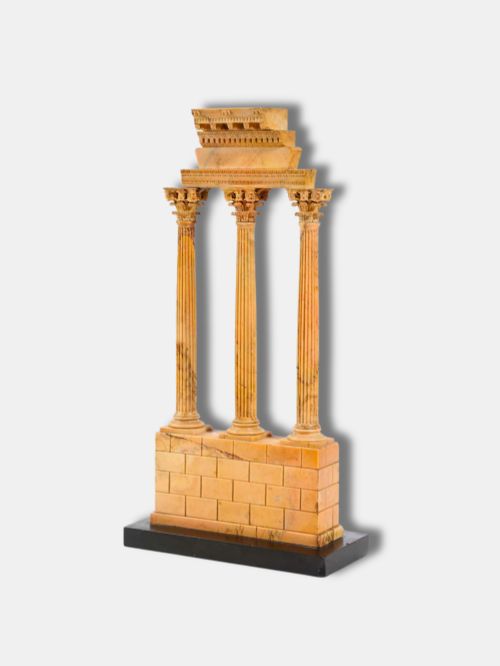
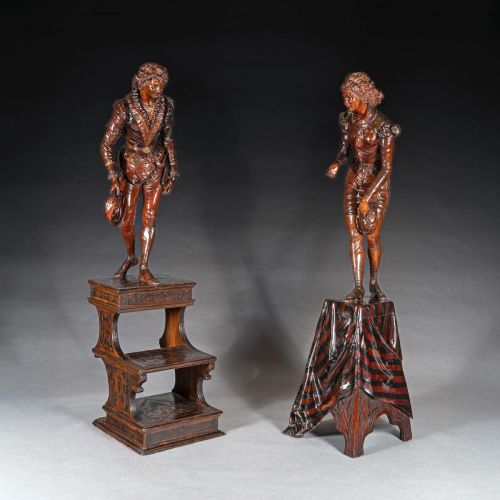
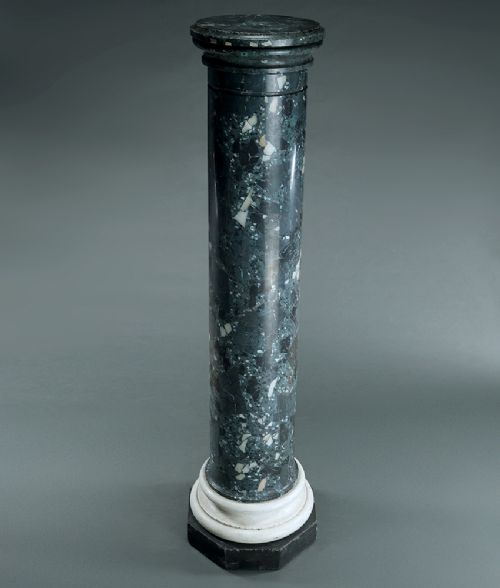
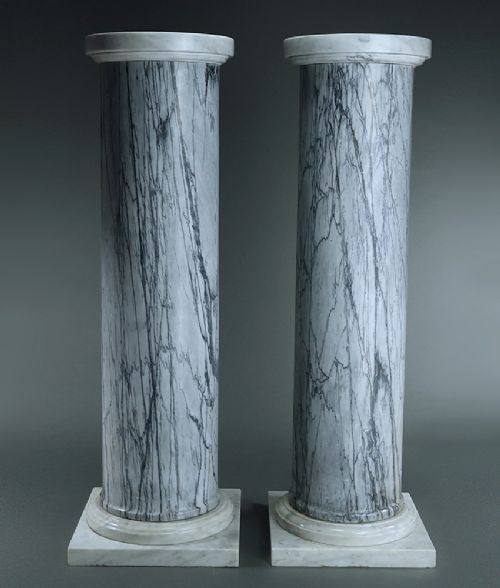
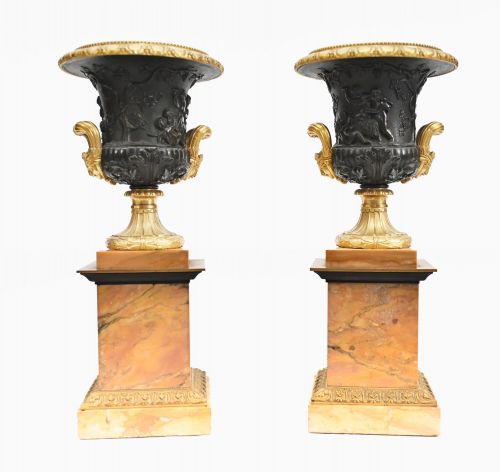
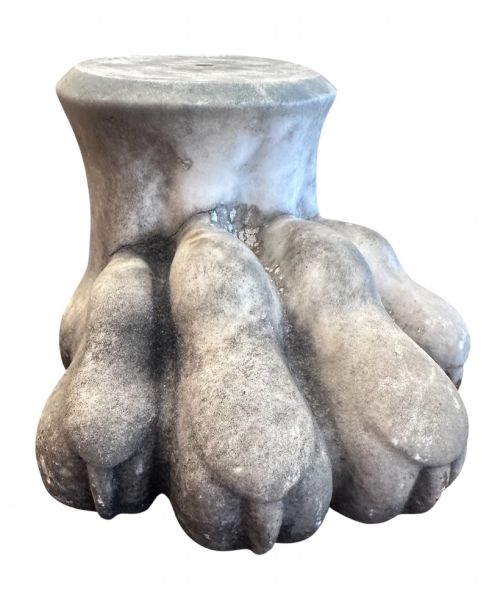
An italian antique plinth serves as a structural base or display stand, often taking the form of a column, pedestal, or stepped block designed to elevate sculpture and decorative works. The examples found here range from modest nineteenth century stands to larger architectural columns and figural supports.
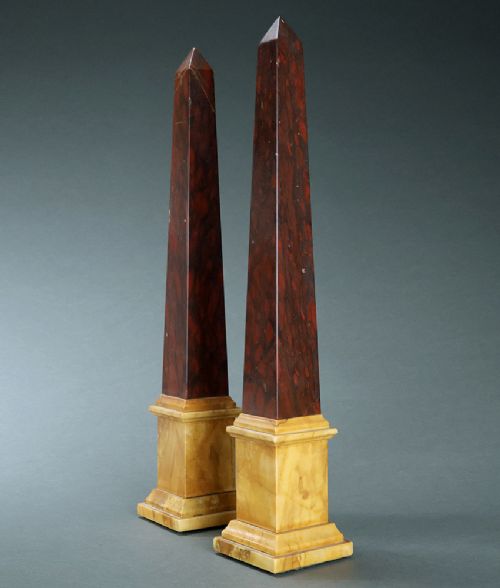
The materials and styles reflect centuries of classical influence, spanning Neoclassical designs, Grand Tour souvenirs, and Baroque or Renaissance revivals. Buyers frequently encounter marble columns, carved wood stands, and scagliola pillars dating from the eighteenth and nineteenth centuries.
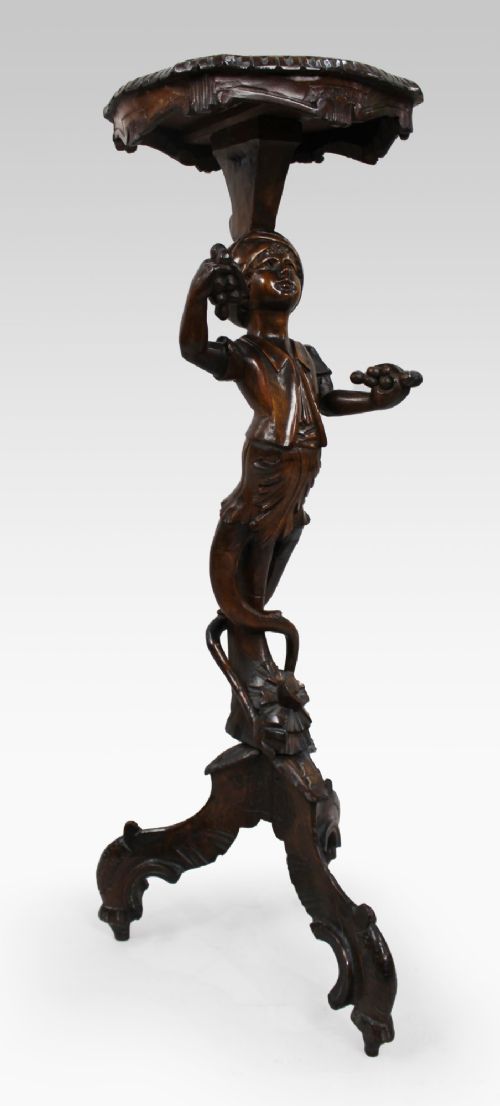
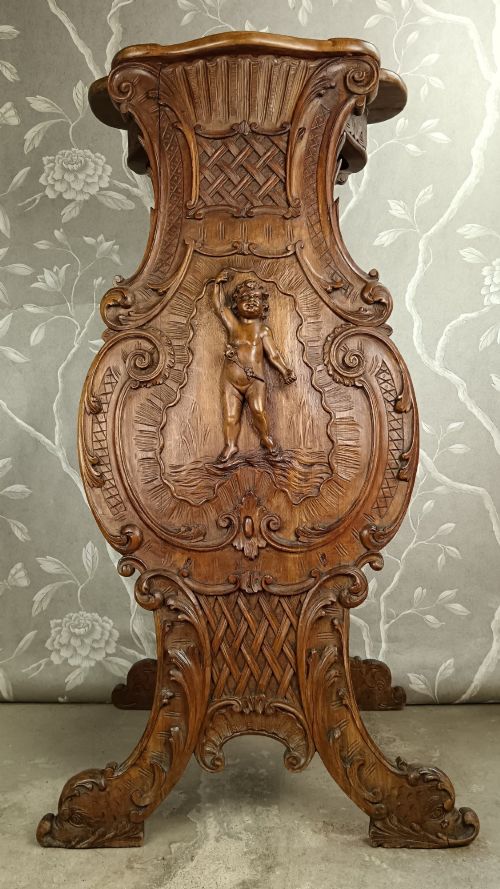
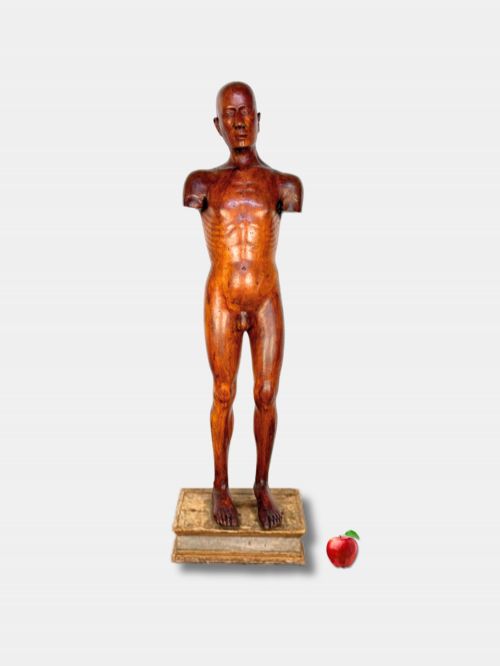
Forms vary from simple square capitals and triform bases to elaborate carved walnut stands and variegated marble columns. Each piece demonstrates the enduring Italian tradition of working with fine stone and timber for architectural display.
Materials and construction methods
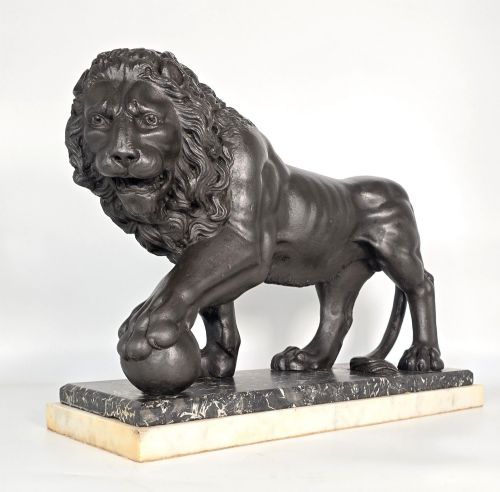
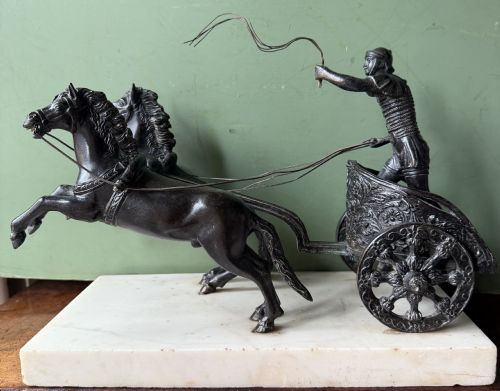
Woodworking traditions appear in carved walnut, olive wood, and painted or parcel gilt timber pedestals, shaped using traditional joinery and hand-carving tools. Bronze elements, frequently cast via the lost-wax method, were added as decorative mounts, figures, or supporting feet.
Italian Plinth Retail Price Guide 2026
Typical asking prices for italian plinth among the pieces listed under this phrase on Sellingantiques today, from the lower quarter to the upper quarter. They describe what is for sale here now, not the wider market.
Neoclassical and Grand Tour styles dominate these pieces, reflecting widespread nineteenth-century interest in classical antiquity.
Assessing quality in stone and wood
Quality rests in the precision of the carving, the selection of the raw material, and the harmony of the proportions. Superior stone pedestals display crisp fluting, well-defined acanthus leaves on capitals, and natural veining that aligns symmetrically across the visible faces.
In wooden and scagliola examples, the depth of the relief carving and the fidelity of the faux-marble finish separate standard work from exceptional pieces. The stability of the structure and the integration of bronze mounts further distinguish finer workshop output.
Valentino Besarel·Guido Cacciapuoti
The Italian Plinth Glossary
- Scagliola
- A composite material made from pigmented selenite, glue, and plaster, applied to mimic natural marble and other hardstones. Artisans polished the surface to a high sheen.
- Grand Tour
- A cultural journey undertaken by wealthy young Europeans in the eighteenth and nineteenth centuries, collecting classical antiquities, bronzes, and architectural models as souvenirs.
- Giallo Antico
- A yellow antique marble quarried in ancient Tunisia and prized by later Italian makers for its rich golden colour and dark veining.
- Campana
- A bell-shaped vessel or urn, often rendered in bronze or marble during the Neoclassical period following ancient archaeological discoveries.
- Tazza
- A shallow cup or bowl mounted on a stem and foot, frequently produced in bronze or marble as a decorative table or pedestal piece.
Italian Plinth: Frequently Asked Questions
What is an italian antique plinth used for?
These pieces function primarily as elevated platforms for displaying decorative objects, bronze sculptures, busts, and urns. They raise artwork to eye level, improving visibility and visual impact within a room.
Historically, they also served as architectural models or decorative souvenirs brought back from European travels. Today, collectors use them both as functional display stands and as sculptural interior elements in their own right.
How do I date an italian antique plinth?
Dating relies on identifying the prevailing style, such as Neoclassical or Baroque revival, alongside the material composition and tool marks left during manufacture. Nineteenth-century Grand Tour pieces often show specific patination and casting techniques characteristic of that era.
Examining the underside and joints can reveal period-specific construction methods. Comparing the veining of the marble or the timber species with documented examples helps narrow down the decade of production.
Where should I place a heavy marble plinth?
Solid marble and stone columns require stable, level flooring capable of supporting substantial weight without shifting. Placing them away from high-traffic walkways prevents accidental tipping.
Positioning them against a secure wall or in a corner provides additional physical stability. Ensuring the weight distribution is even across the top surface protects both the stand and the object resting upon it.