



Italian Bookcase
An italian antique bookcase brings centuries of craftsmanship into a room, offering rich timbers and architectural presence that modern furniture simply cannot match.
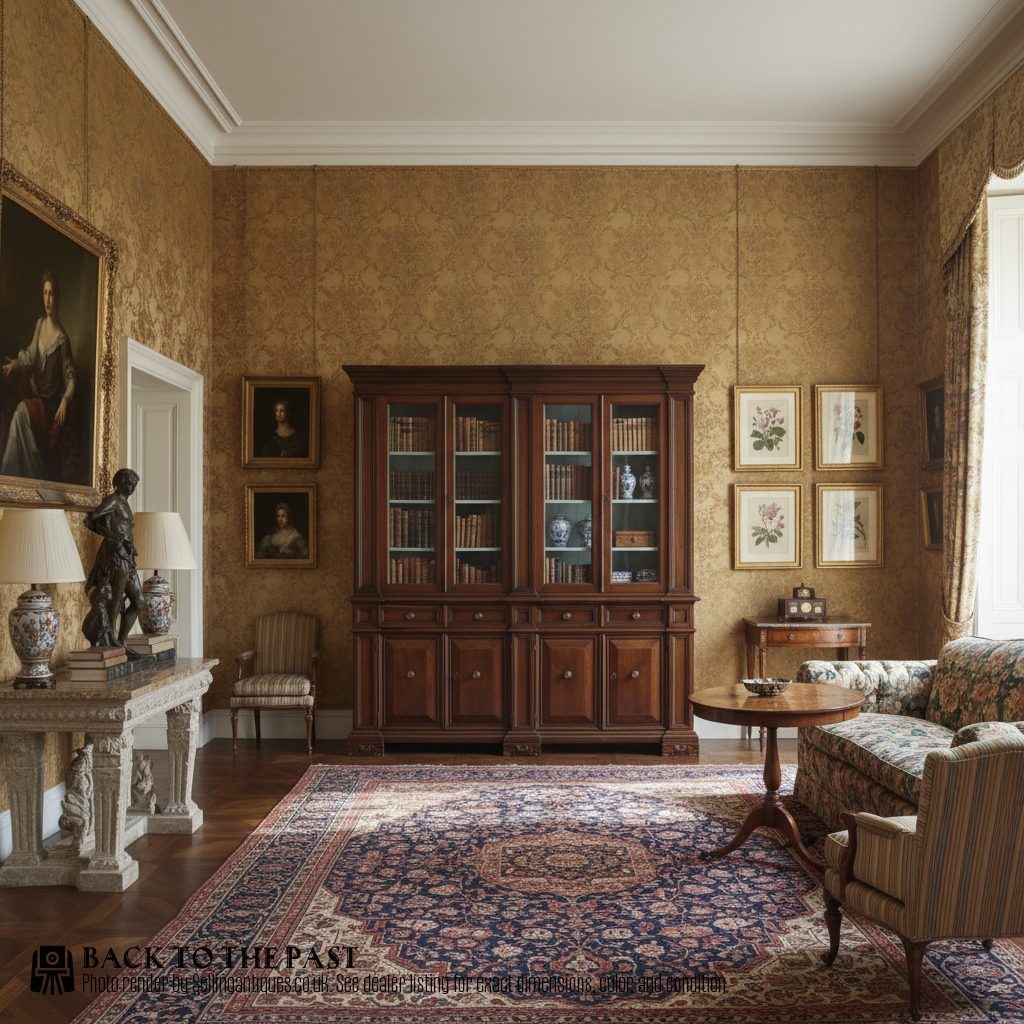
Italian Bookcase
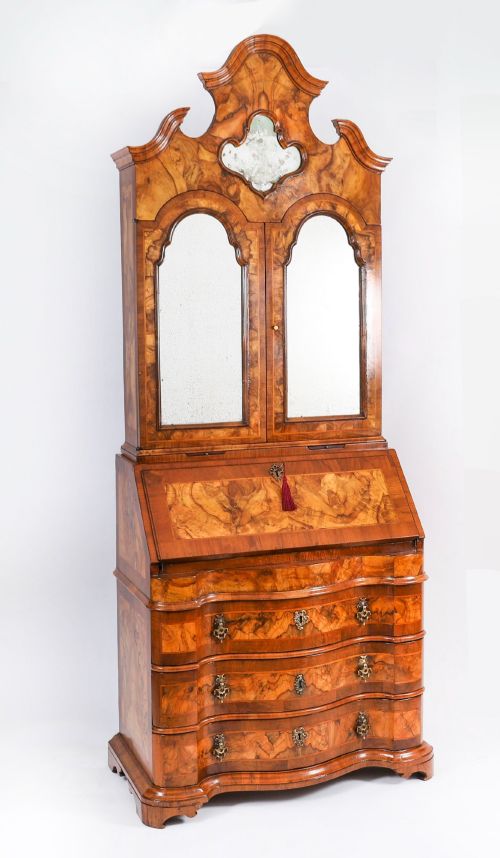
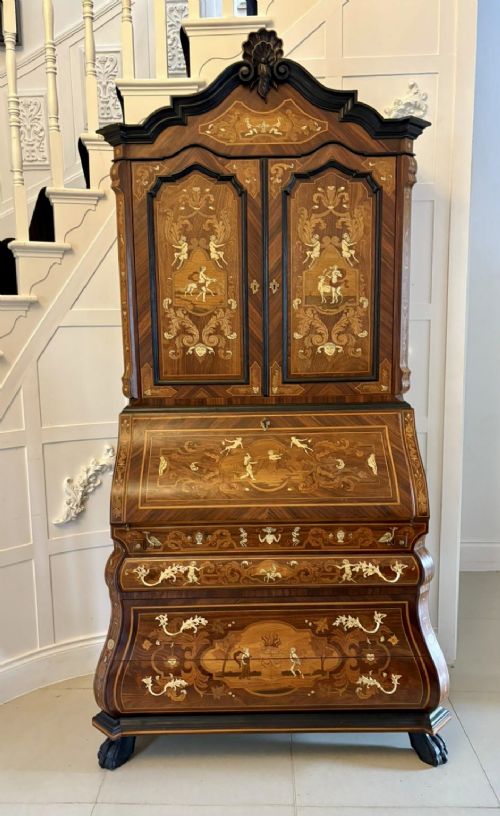
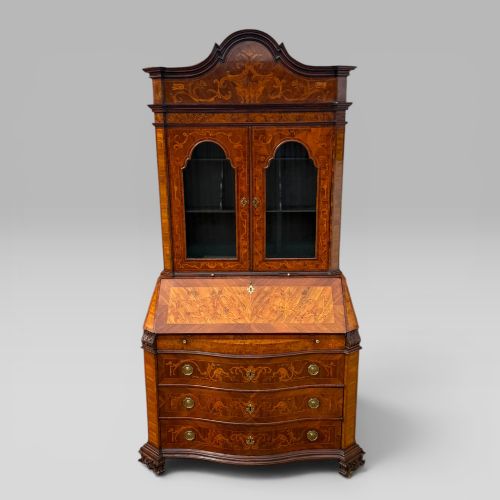
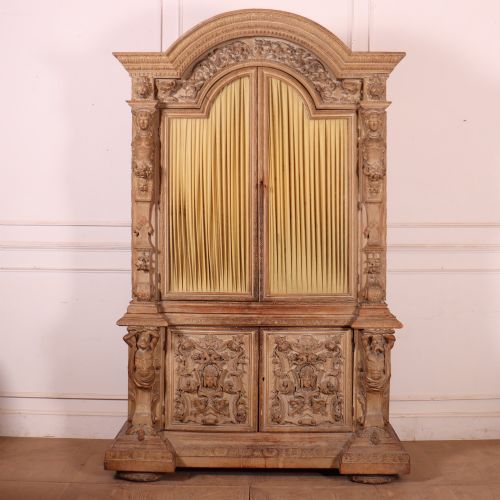
When you search for an italian antique bookcase, you encounter a range of forms spanning from the mid-eighteenth century to the early twentieth century. The selection includes bureau bookcases, vitrines, wall cabinets, and open shelving units.
Bureau bookcases dominate the offerings, showcasing fitted desk interiors beneath tiered or double-dome shelving sections. Pieces originate from distinct stylistic movements, most notably Venetian Rococo, Renaissance Revival, and Baroque styles.
How they were made
Cabinet makers utilised solid walnut and burr walnut veneers over secondary timbers, applying intricate marquetry patterns to drawer fronts and fall-front desks. Tulipwood and giltwood details provided contrast and visual depth to major surfaces.
Glazed doors utilised individual panes of glass set within timber framing, while specialised hardware incorporated cast brass for escutcheons and handles. Bureau interiors featured hand-cut dovetails and carefully joined pigeonholes for stationery storage.
Italian Bookcase Retail Price Guide 2026
Typical asking prices for italian bookcase among the pieces listed under this phrase on Sellingantiques today, from the lower quarter to the upper quarter. They describe what is for sale here now, not the wider market.
Listings span from mid-eighteenth-century Venetian pieces to early twentieth-century interpretations, predominantly utilising walnut, burr walnut, and marquetry.
What varies in quality
Quality rests upon the ambition of the design and the precision of the cabinet work, particularly in the execution of marquetry and timber selection. Pieces displaying complex double-dome cabinetry and balanced burr walnut figuring stand apart from simpler glazed shelving.
The crispness of carved wooden details and the integration of decorative elements like giltwood or hand-painted gilding dictate the standing of an individual cabinet. Original brass hardware and intact historical glass further distinguish the finest examples.
The Italian Bookcase Glossary
- Marquetry
- Decorative veneer work arranged in geometrical or pictorial patterns using various coloured woods. This technique requires exceptional precision to fit pieces flush into the primary timber ground.
- Bureau bookcase
- A combination of a sloping-front desk and open or glazed shelving above. It serves both writing and display functions within a single piece of furniture.
- Vitrine
- A glass-fronted cabinet designed for the display of curiosities and porcelain. These pieces often feature glazed side panels to maximise light entry.
- Double-dome
- A cabinetry form featuring two arched sections on the upper cornice. This architectural roofline defines many formal eighteenth-century Italian pieces.
- Burr walnut
- Timber taken from the warted growths of walnut trees, yielding highly figured grain patterns. It was frequently utilised for principal decorative surfaces.
- Giltwood
- Timber treated with gold leaf or gold paint to simulate solid gold enrichment. It highlights carved mouldings and architectural details.
Italian Bookcase: Frequently Asked Questions
How do I date an Italian bureau bookcase?
Dating relies upon examining construction methods, timber choices, and stylistic markers such as Rococo curves or Neoclassical symmetry. Eighteenth-century pieces typically exhibit hand-cut joinery and native walnut timbers.
Later adaptations from the nineteenth or twentieth century often reveal different secondary woods and machine-finished elements upon closer inspection of the interior framing.
Where should I place a heavy walnut bookcase?
These substantial cabinets require stable flooring and protection from direct sunlight to preserve the walnut veneers and delicate marquetry. Placing them away from heat sources prevents timber shrinkage and warping.
Ensure the room has adequate wall clearance, particularly for double-dome bureau bookcases that demand height and visual breathing room.
How do I care for antique marquetry surfaces?
Maintenance involves applying quality beeswax sparingly and buffing with a soft cloth to nourish the old timber without building up excess residue. Avoid silicone-based sprays which can penetrate damaged areas of veneer.
Keep humidity levels stable within the room to protect the intricate wood inlays from lifting.