

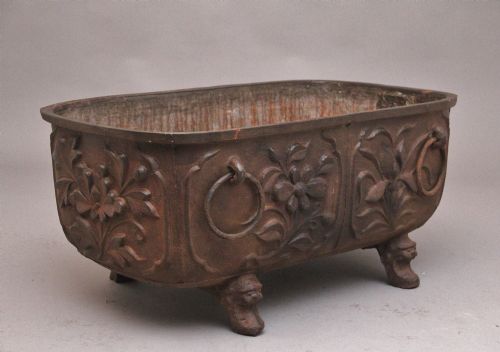


Iron Trough Planter
An iron trough planter brings robust industrial character and planting depth to a terrace, garden, or conservatory.
Iron Trough Planter
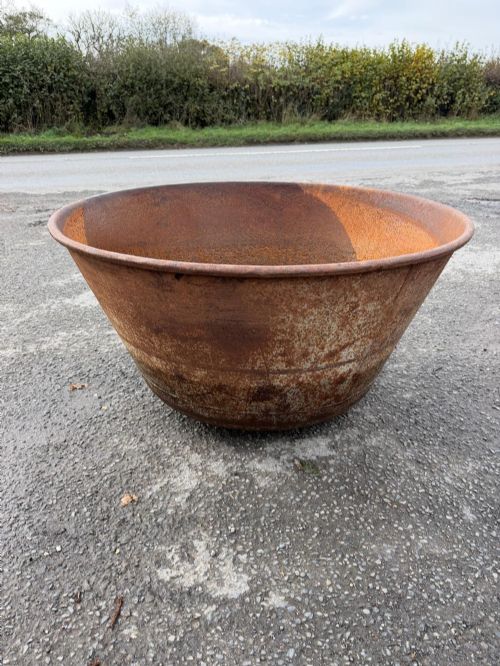
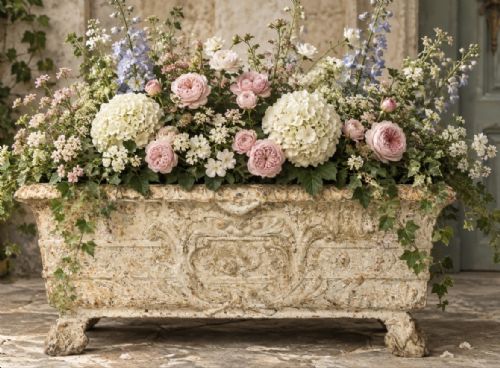
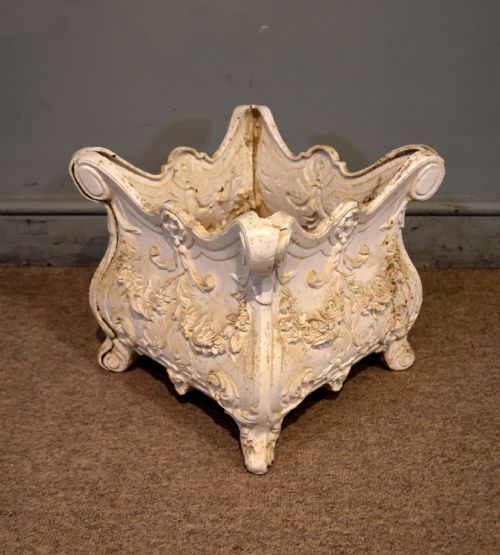
An iron trough planter provides a heavy-duty vessel for substantial plantings, frequently taking the form of rectangular troughs, urns, and repurposed agricultural containers. When searching for an iron trough planter, collectors encounter examples spanning the nineteenth century through to the mid-twentieth century, with Victorian and French provincial pieces appearing regularly.
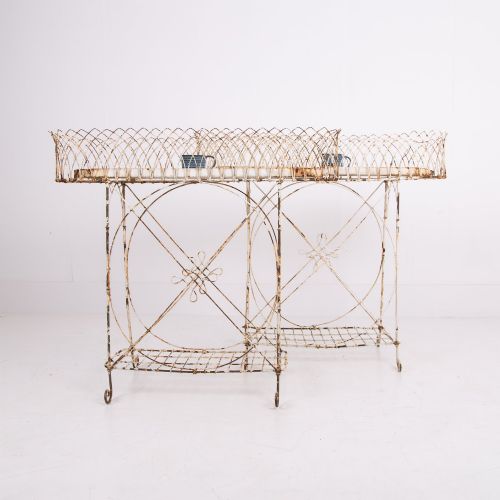
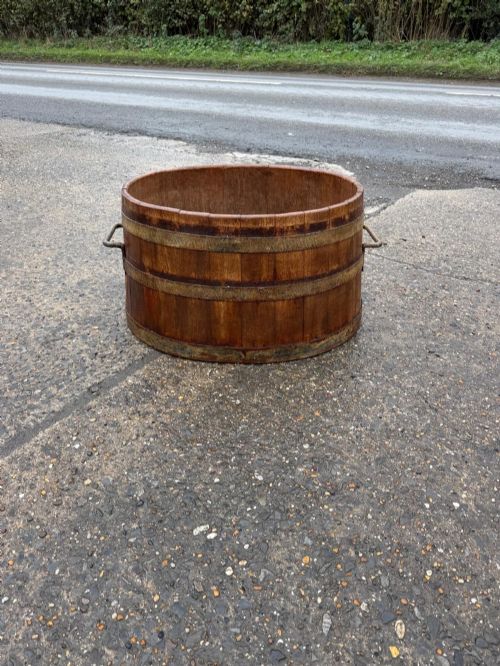
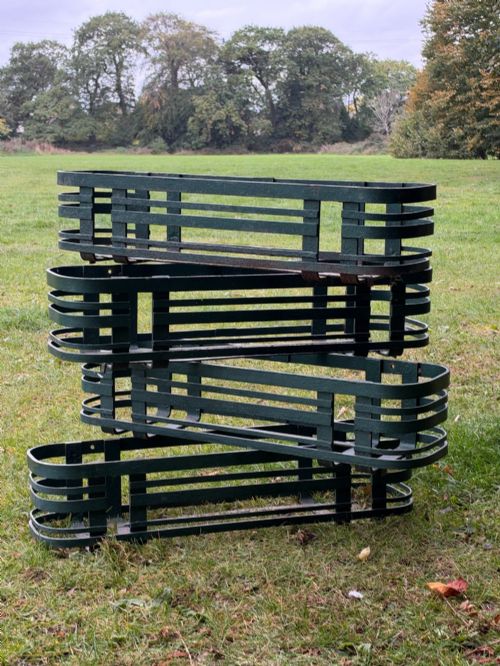
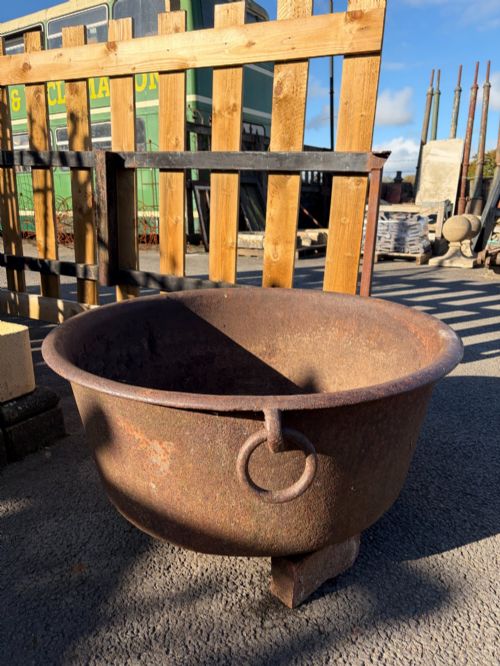
The selection encompasses utilitarian items adapted for horticulture, such as hay racks, washing tubs, and temple baths, alongside purpose-built garden jardinieres. These objects draw on Victorian, Gothic, and rustic farmhouse styles, often showing the sturdy proportions expected of nineteenth-century metalwork.
What varies in quality
The calibre of an iron trough planter depends upon the crispness of the casting and the structural integrity of the metalwork, distinguishing utilitarian foundry output from decorative conservatory pieces. Superior examples display balanced proportions, clean joinery, and well-executed surface textures that have weathered evenly over decades.
Purity of style and regional provenance also dictate distinction, with Coalbrookdale foundries and documented French or Chinese origins commanding greater interest among buyers. The retention of original surface treatments, whether weathered paint or patinated bare metal, adds significant character to the piece.
Iron Trough Planter Retail Price Guide 2026
Typical asking prices for iron trough planter among the pieces listed under this phrase on Sellingantiques today, from the lower quarter to the upper quarter. They describe what is for sale here now, not the wider market.
The inventory includes Chinese temple baths and French chateau garden urns alongside English agricultural hay racks and washing tubs.
Coalbrookdale
The Iron Trough Planter Glossary
- Cast iron
- An iron-carbon alloy poured into moulds to create rigid, decorative garden vessels. This technique allows for complex relief patterns and heavy walls that endure outdoors.
- Wrought iron
- Iron beaten into shape by hand or machine, known for its fibrous structure and resilience. It is commonly found in strapwork planters and structural frames.
- Jardiniere
- An ornamental pot or stand designed to hold growing plants or flowers. These vessels often feature decorative feet or handles suited to prominent garden positions.
- Strapwork
- Flat bands of metal riveted or welded together to form geometric patterns. This technique provides both structural support and decorative linear detail on planters.
- Coopered
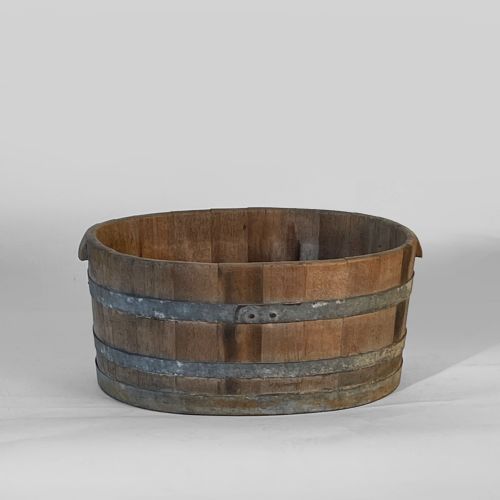
- Built using wooden staves bound together with metal hoops, much like a barrel. Such vessels are often repurposed as garden tubs or planters.
Iron Trough Planter: Frequently Asked Questions
Can I leave iron planters outside in winter?
Cast and wrought iron vessels tolerate cold weather well due to their robust metal construction, provided drainage holes remain unblocked. Freezing water trapped inside unlined troughs can exert pressure, so ensuring proper water escape routes protects the material.
Positioning them on bricks or feet prevents moisture from drawing up from the ground into the base. Regular checks ensure the metal remains stable through seasonal temperature shifts.
How do I prevent rust on an iron planter?
Maintaining a protective coat of paint or applying specialised wax helps seal the iron against persistent moisture and rain. Many owners prefer the natural reddish-brown oxidation patina, which forms a stable barrier on older cast iron.
If active flaking occurs, gently brushing away loose scale and treating the area with a rust inhibitor halts further degradation. Keeping the interior lined or well-drained minimises internal corrosion from damp soil.
What is the difference between cast iron and wrought iron?
Cast iron is poured molten into a mould, resulting in thick, heavy walls with crisp decorative relief work. It is strong under compression but can be brittle under sharp impacts.
Wrought iron is worked by hammering and bending, producing fibrous bands and strapwork that tolerate tension and bending forces well. Planters made from wrought iron often display an open framework or linear strap design.
How do I style an iron planter in a small garden?
A single substantial iron trough creates a strong focal point against a wall or patio corner, balancing greenery without cluttering the floor space. Pairing the dark metal tones with trailing plants softens the rigid lines of the vessel.
Elevating smaller wirework stands or window boxes draws the eye upward, adding vertical dimension to compact courtyards. Positioning them where they catch natural light highlights the texture of the aged metal.