

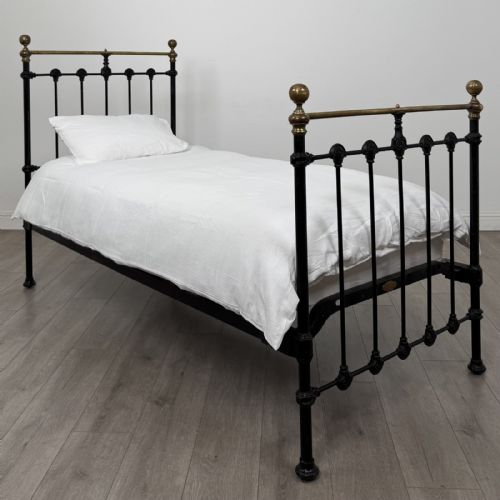
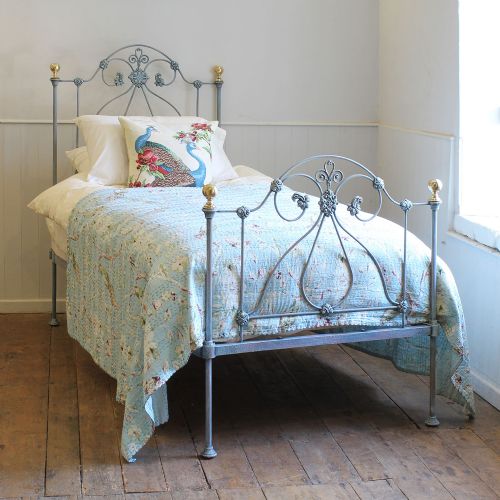
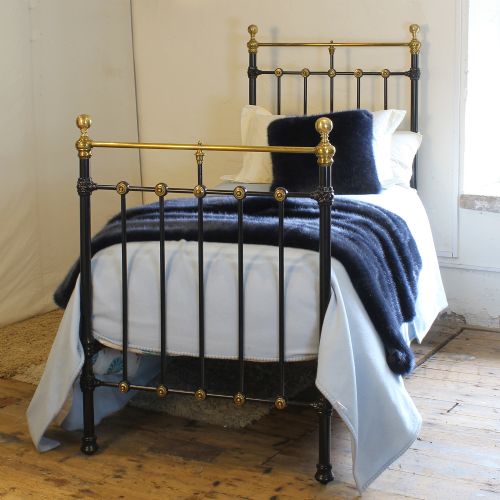
Iron Single Bedstead
An iron single bedstead offers robust construction and classic sleeping proportions, emerging from the Victorian and Edwardian periods in cast iron, wrought iron and brass.
Iron Single Bedstead
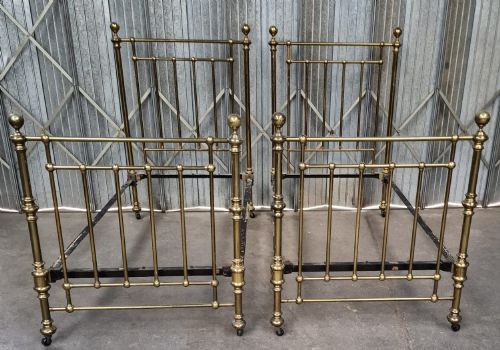
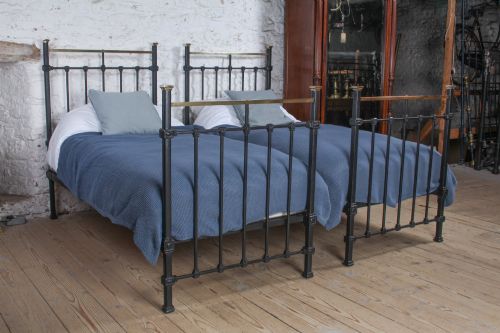
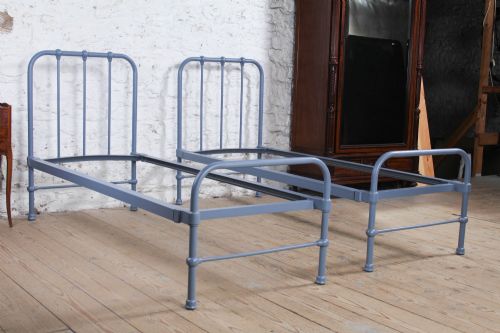
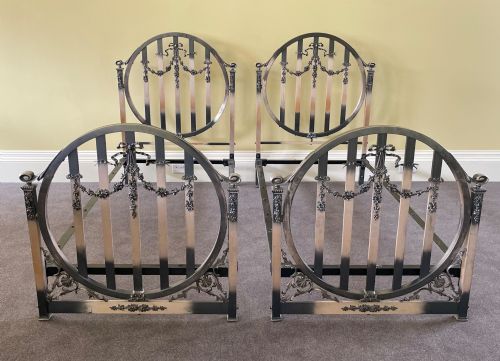
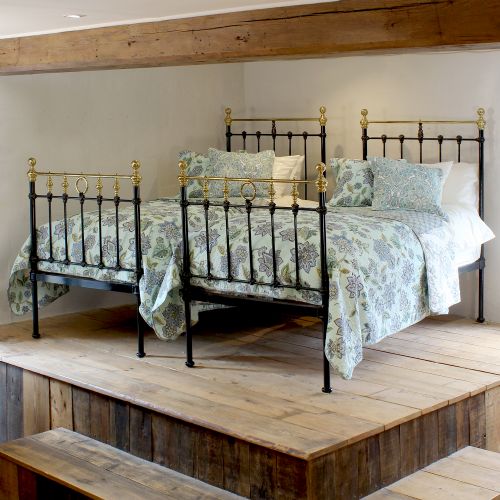
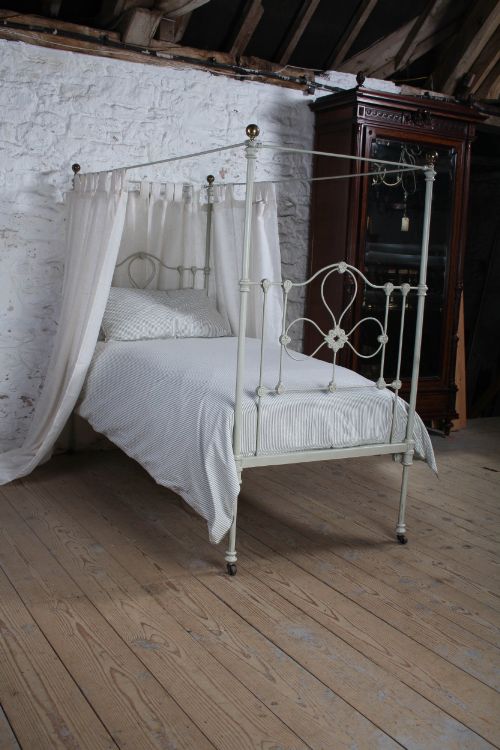
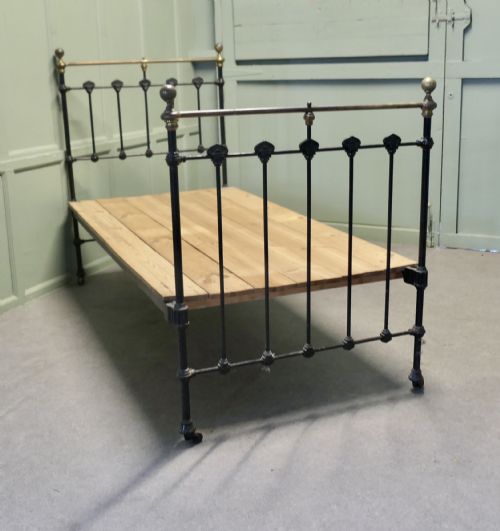
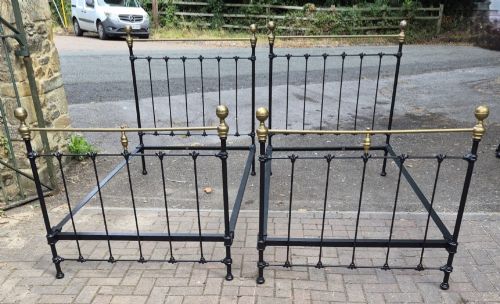
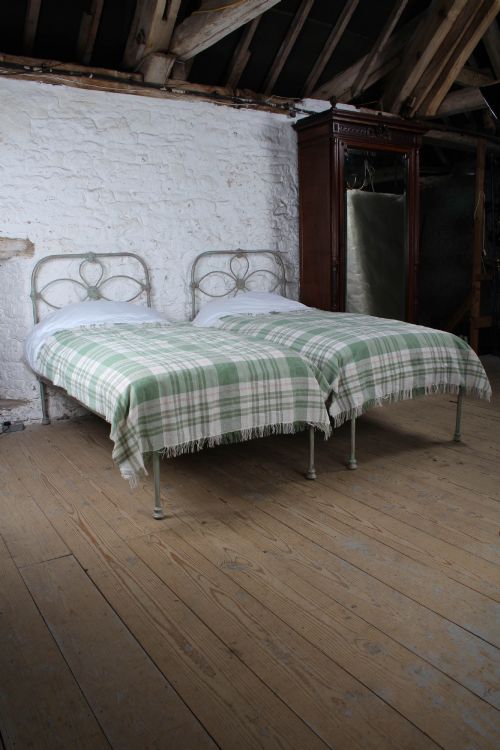
An iron single bedstead provides a compact sleeping platform typically measuring around three feet wide, built to serve domestic bedrooms during the nineteenth and early twentieth centuries. These metal frames survive in various configurations, including standard head and footboard designs, low profile no end versions, and pairs that lock together.
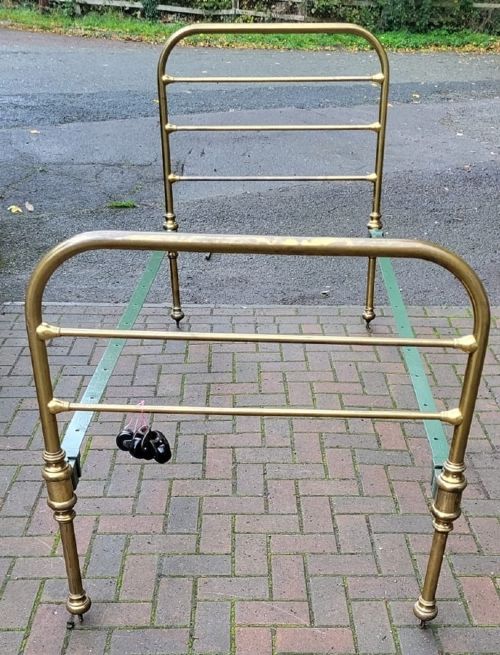
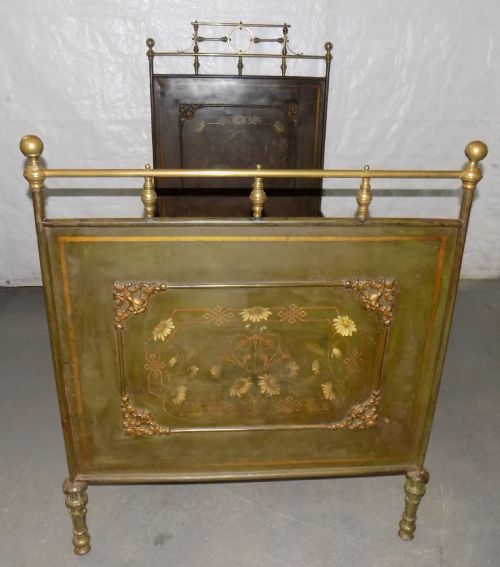
The Victorian period supplies the largest share of these frames on this page, accompanied by Edwardian examples and continental pieces from Austria, France, and Portugal. Forms range from utilitarian black or white painted cast iron to decorative combinations featuring polished brass elements and nickel plating.
Materials and construction methods
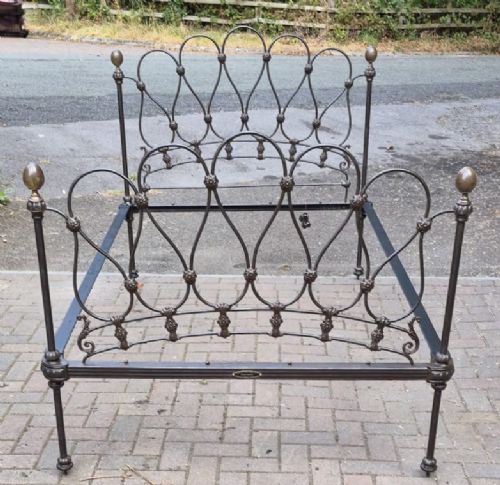
Foundries cast molten iron into structural frames and decorative components, utilising hand forging techniques to shape wrought iron elements. Makers combined cast iron with tubular steel or iron rails, integrating brass mounts, ceramic details, and nickel plating for visual contrast.
Surfaces received protective finishes including black, blue verdigris, cream, or charcoal paint, alongside toleware treatments. Components fastened together using metal joints and bolts, allowing the head and foot boards to detach from the side rails.
Iron Single Bedstead Retail Price Guide 2026
Typical asking prices for iron single bedstead among the pieces listed under this phrase on Sellingantiques today, from the lower quarter to the upper quarter. They describe what is for sale here now, not the wider market.
Several listings note that the iron single beds can be joined together, perfect for sleeping arrangements that change their mind.
Distinguishing quality in metal beds
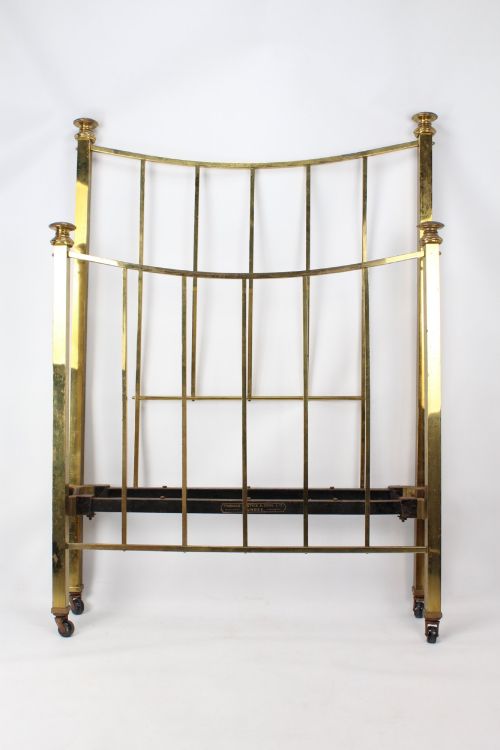
Quality rests upon the crispness of the iron casting, the weight and gauge of the metal tubing, and the substance of any applied brass decoration. Superior examples display clean junctions, well-proportioned decorative finials, and original manufacturer stamps.
The structural integrity of the side rails and the retention of original mounting hardware determine daily usability. Finer frames incorporate thoughtful design details like integral rings, decorative corner brackets, and robust mechanisms for joining pairs.
R W Winfield
The Iron Single Bedstead Glossary
- Cast iron
- Iron melted and poured into a mould to create rigid structural or decorative components. This material forms the sturdy framework of most nineteenth century beds.
- Wrought iron
- Iron beaten and shaped by hand while hot to produce resilient and decorative structural elements. Makers utilised this method for forged details and framework.
- Toleware
- Metalware painted and lacquered in imitation of Asian lacquerwork. Austrian and continental workshops applied this decorative surface to specific bed frames.
- Nickel plating
- A thin protective layer of nickel applied to a metal surface to prevent corrosion and provide a bright finish. Edwardian makers frequently utilised this coating.
- Platform bed
- A bed frame designed to support a mattress directly upon a base platform without traditional transverse springs. These variants offer clean lines and steady support.
Iron Single Bedstead: Frequently Asked Questions
Can these single beds be used daily?
These historical iron frames accommodate modern single mattresses when paired with appropriate contemporary support bases or slats. Many buyers use them daily in guest rooms and bedrooms.
Buyers should check the internal dimensions against standard modern mattress sizes to ensure a proper fit within the existing rails.
How do I join a pair of single beds?
Many pairs of single beds on this page were manufactured with matching dimensions and compatible side rails specifically designed to link together. This allows two separate frames to function as a wider bed unit.
Hardware requirements vary by model, so inspecting the inner edges of the side rails reveals how the connection points operate.
How do I date an iron bedstead?
Dating relies on stylistic clues such as the presence of Art Nouveau curves, heavy Victorian brass mounts, or simpler mid nineteenth century forms. Listed dates span from eighteen fifty through the Edwardian era.
Maker stamps and construction methods, such as hand forging versus mass foundry casting, also help establish the approximate decade of production.