

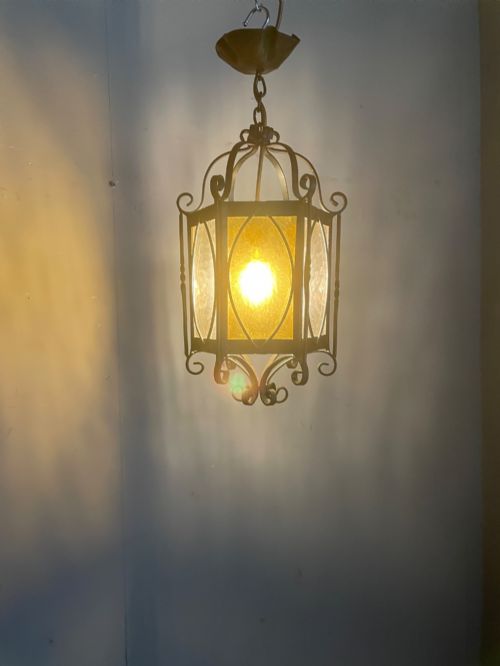


Iron Hall Light
An iron hall light anchors an entranceway with heavy metalwork and glass, bringing period weight and presence to a hallway.
Iron Hall Light
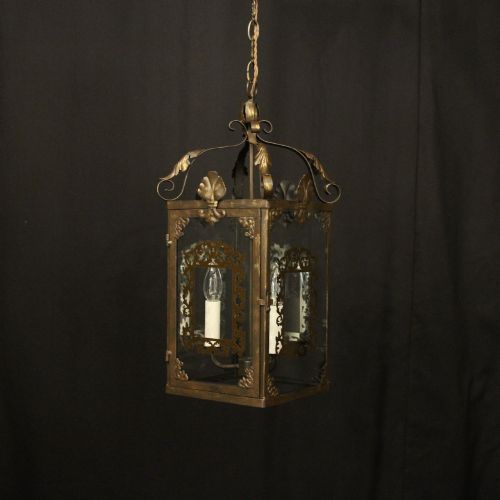
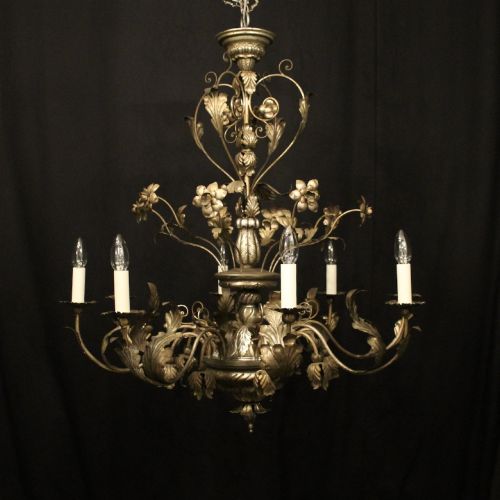
An iron hall light is a hanging fixture designed for an entranceway, vestibule, or corridor, utilising durable metal frameworks to enclose glass panels. These pieces range from compact single-light lanterns to large multi-bulb fixtures intended for high-ceilinged period properties.
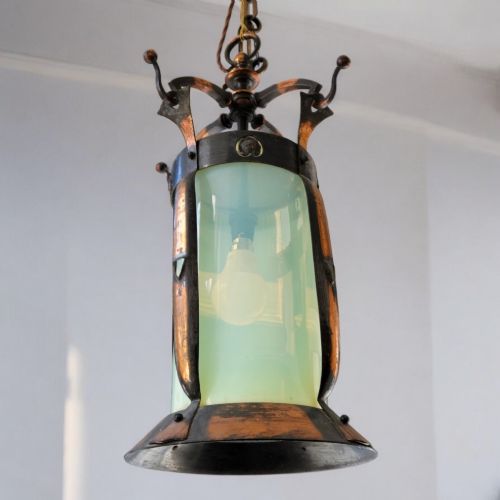
The versions most commonly met on this page span the Victorian and Edwardian eras through to the 1930s, reflecting diverse aesthetics from Gothic Revival to Arts and Crafts. Examples often originate from British, French, or Italian workshops, pairing utilitarian metal structures with decorative glass work.
Materials and construction methods
Wrought iron and cast iron form the structural backbone of these fixtures, shaped by blacksmiths into rigid frameworks, scrollwork, or geometric lanterns. These metals are frequently combined with brass, gilt metal, or silvered metal accents to catch and reflect the internal light.
Glazing is integral to the construction, utilising clear, stained, or leaded glass panels held securely within the metal armature. Early examples show evidence of adaptation from initial candle illumination to later electrical wiring.
Iron Hall Light Retail Price Guide 2026
Typical asking prices for iron hall light among the pieces listed under this phrase on Sellingantiques today, from the lower quarter to the upper quarter. They describe what is for sale here now, not the wider market.
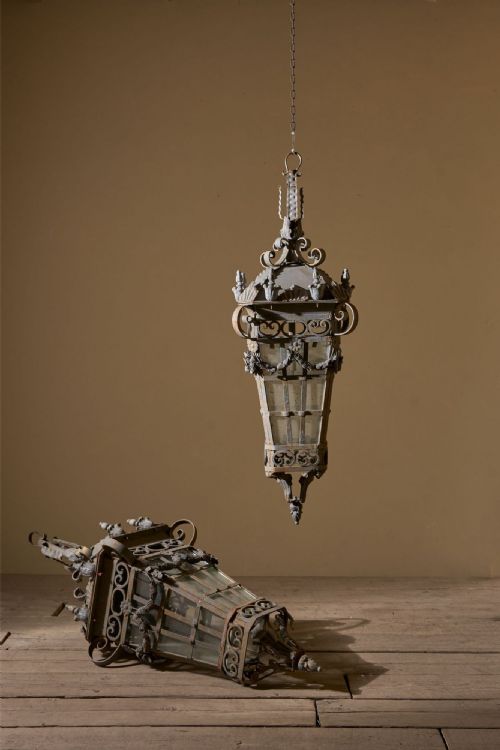
One robust nineteenth-century ceiling light originated from Crowe Hall Bath, carrying the evocative period nickname 'witches hat'.
Distinctions in craftsmanship
Quality in an iron hall light rests upon the dexterity of the metalwork, distinguishing hand-forged blacksmith pieces from standard cast production. Finer examples display meticulous attention to jointing, balanced proportions, and decorative detailing such as shamrocks or Gothic tracery.
The integrity of the glass and metal finishing further separates the range, with superior items retaining original leaded or stained glass panes and patinated metal surfaces rather than crude modern replacements.
The Iron Hall Light Glossary
- Wrought iron
- Iron that has been heated and worked with tools by a blacksmith, yielding a fibrous structure that allows for decorative bending and shaping. This material is typical in Arts and Crafts and Gothic Revival pieces.
- Hall lantern
- A hanging light fixture specifically proportioned for narrow corridors and entrance halls, usually enclosed with glass panels on multiple sides. They direct illumination outward while protecting the flame or bulb from drafts.
- Gilt metal
- Base metal coated with a thin layer of gold leaf or gilt paint to simulate solid gold. This treatment adds a reflective sheen to the metal framework.
- Gothic Revival
- An architectural and decorative style drawing inspiration from medieval design, featuring pointed arches and heavy vertical lines. It appears frequently in nineteenth-century lantern metalwork.
Iron Hall Light: Frequently Asked Questions
What is an iron hall light?
An iron hall light is a hanging ceiling fixture constructed primarily from iron and glass, designed specifically to illuminate entrance halls, porches, and corridors.
These pieces use durable metal frames to enclose glass panels, protecting the light source while casting patterns across walls and ceilings in period properties.
How were these lanterns originally lit?
Many older examples began life utilising candles before being adapted later for gas or electrical illumination as technology progressed through the nineteenth and twentieth centuries.
Signs of this transition often remain visible in the internal burner assemblies or altered drip pans within the metal framework.
Where should I hang a large lantern?
Large lanterns suit high-ceilinged entrance halls, grand stairwells, or sheltered outdoor porches where their proportions and weight can command the space safely.
Sizing requires enough clearance beneath the fixture for foot traffic while ensuring the scale matches the vertical volume of the room.
How do I identify a Victorian piece?
Victorian pieces often display Gothic Revival or heavy cast iron details, employing traditional construction methods like hand-riveted joints and heavy glass panels.
Examination of the metal patina and internal wiring channels helps distinguish nineteenth-century examples from later twentieth-century reproductions.