





Iron Fireplace Curb
An iron fireplace curb frames the hearth, combining protective metalwork with period brass and steel.
Iron Fireplace Curb
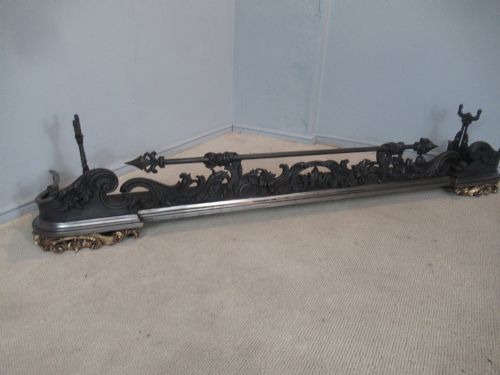
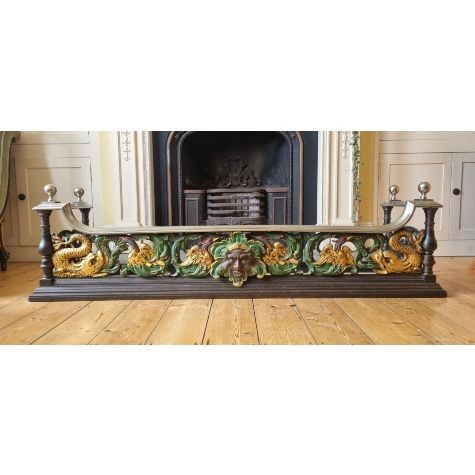
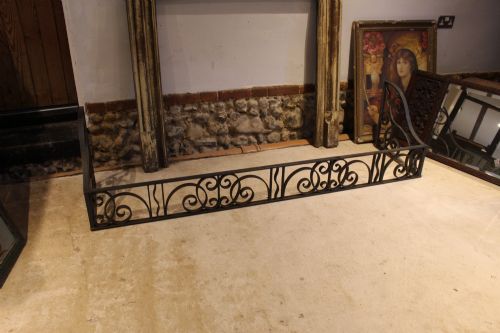
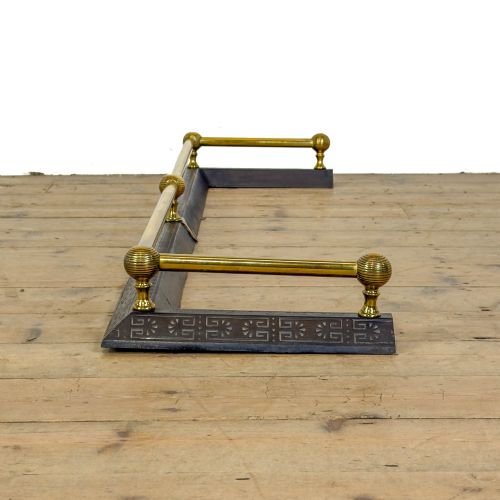
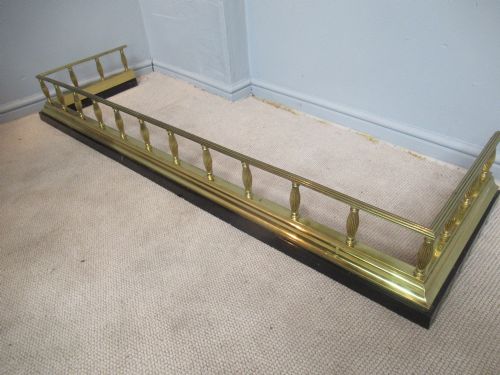
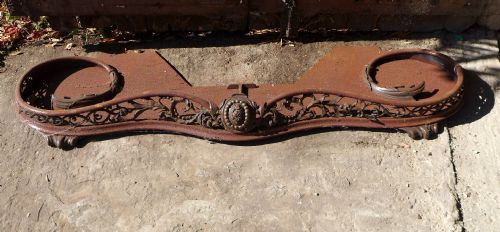
An iron fireplace curb forms a protective barrier around the hearth, stopping embers from reaching the floor. The examples seen on this page span the Georgian, Victorian, and Edwardian periods.
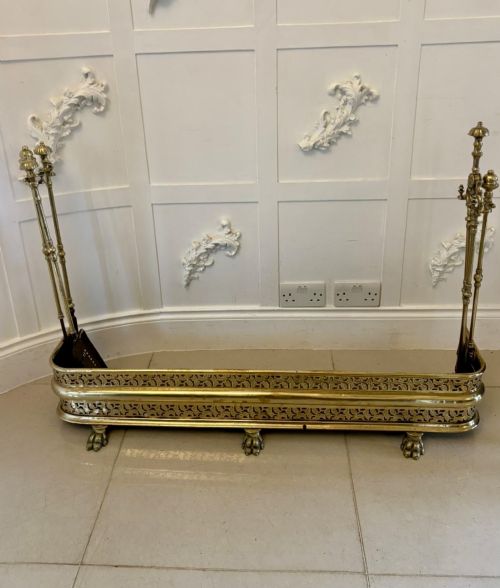
Most pieces combine iron with brass or steel, taking forms such as curved fire fenders, adjustable guards, and complete hearth sets with matching fire irons. French Rococo, Empire, and Arts and Crafts styles also appear alongside standard British period designs.
How these curbs were made
Makers utilised cast iron, wrought iron, and steel for the structural body of the fender, providing weight and durability. Bronze, gilt bronze, and ormolu add decorative detail to French and Regency examples.
Brass is frequently employed for the top rails and feet, often paired with polished steel or blackened iron bases. Some pieces incorporate copper elements, particularly within Arts and Crafts designs.
Iron Fireplace Curb Retail Price Guide 2026
Typical asking prices for iron fireplace curb among the pieces listed under this phrase on Sellingantiques today, from the lower quarter to the upper quarter. They describe what is for sale here now, not the wider market.
Several curbs come with their original companion fire irons, ensuring the poker and tongs match the metalwork of the hearth.
What varies in quality
Quality rests on the heaviness of the metal casting and the precision of the joints between iron and brass components. Superior pieces exhibit crisp detailing on cast motifs and well-finished turned feet.
The inclusion of original matching fire irons or integrated fire guards distinguishes the better examples from standard hearth surrounds.
The Iron Fireplace Curb Glossary
- Curb
- A protective metal barrier placed on the floor around a fireplace hearth. It shares a definition with a fender.
- Fender
- A low metal frame enclosing a hearth to keep burning coals from rolling onto the carpet. It is often constructed from iron, brass, or steel.
- Andiron
- A horizontal metal support raised on legs, used to hold logs in an open fireplace. They frequently accompany matching fire curbs.
- Ormolu
- Gilt bronze ornamentation applied to furniture and fireplace accessories during the eighteenth and nineteenth centuries. It provides a bright golden finish.
Iron Fireplace Curb: Frequently Asked Questions
What is an iron fireplace curb?
An iron fireplace curb is a metal barrier placed in front of an open hearth to contain falling embers and ash. It also serves to frame the fireplace and keep hearth rugs safely positioned away from the fire.
These pieces range from simple functional iron rails to ornate designs featuring polished brass finials, steel bodies, and decorative bronze mounts dating from the Georgian period onwards.
How do I measure for a fender?
Measure the width of your fireplace opening and the depth of the hearth space available to ensure the curb fits securely against the floor. Account for any protruding hearth stones or surround mouldings.
Some period examples are adjustable, allowing the width to be altered to suit different fireplace dimensions.
How do I clean a cast iron curb?
Cast iron surfaces can be gently brushed with a soft dry brush to remove dust and soot accumulation. Avoid harsh chemical cleaners that may damage the underlying metal finish.
For pieces with brass or steel components, appropriate metal polishes can be applied separately while protecting the iron sections.
Are these curbs suitable for modern fires?
These period pieces function well around modern hearths, provided the dimensions match the fireplace opening. They accommodate gas fires, electric stoves, and traditional solid fuel grates.
Care should be taken to select a curb with sufficient weight and heat tolerance for the intended type of fire.
How do I date an antique fender?
Dating relies on observing the combination of materials, construction methods, and stylistic details such as French Rococo or Arts and Crafts motifs. Georgian pieces often show simpler steel and iron work, while Victorian examples frequently incorporate heavy cast iron and bright brass.
Maker details, screw types, and overall wear patterns also help establish the approximate period of manufacture.