



Iron Casket Box
An iron casket box provides secure storage for valuables, combining heavy metalwork and sturdy timber construction into a striking decorative object.

Iron Casket Box
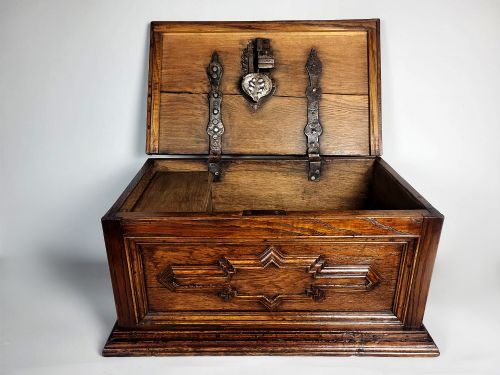
When you search for an iron casket box, you encounter heavy receptacles designed for secure storage and transport of valuables across centuries. These objects range from continental strongboxes and German coffre forts to Scandinavian metal bound boxes and folk art marriage containers.
The pieces on this page span from the sixteenth century through the nineteenth century, utilising timber carcases reinforced with iron bands and complex locking mechanisms. You will frequently find examples originating from Germany, Spain, Sweden, and Britain, displaying regional woodworking and metalworking traditions.
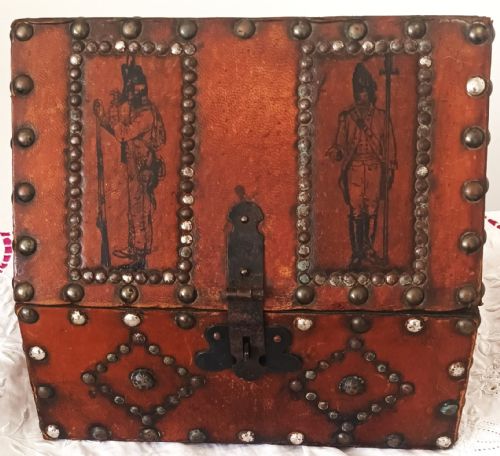
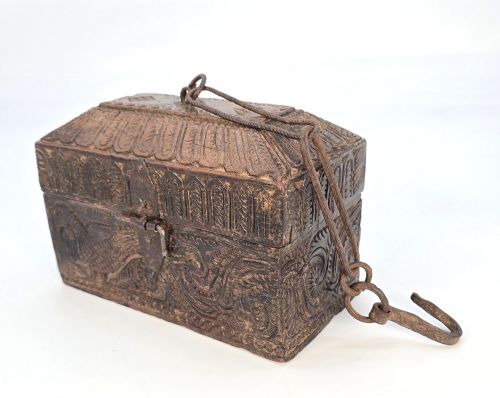
Forms vary from domed caskets and deed boxes to leather-bound caskets and spice boxes. Whether utilitarian strongboxes or decorated marriage chests, each iron casket box reflects the security needs and aesthetic values of its period.
Materials and construction
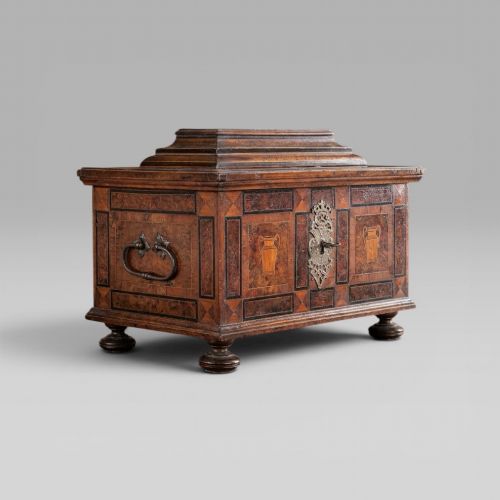
Makers constructed these pieces using dense hardwoods like oak, walnut, pine, and teak, often combining timber bodies with heavy iron straps, hinges, and corner brackets. The exterior metalwork was frequently forged by hand, serving both structural reinforcement and decorative embellishment.
Locksmiths integrated intricate steel mechanisms inside the lids, operating complex levers and multiple bolts secured by elaborate engraved lock plates. Some examples incorporate leather bindings, marquetry veneers, or original painted surfaces over the primary wood and metal structures.
Listings feature pieces spanning the 16th, 17th, 18th, and 19th centuries, constructed from iron, steel, oak, walnut, pine, and teak.
Evaluating quality and craftsmanship
Quality rests upon the sophistication of the internal locking mechanism and the integrity of the original metalwork. Superior examples feature intricate, multi-bolt steel locks housed within robust timber or iron carcases, retaining their original operating keys.
The refinement of the surface decoration, whether hand-forged strapwork, marquetry inlay, or original paint, distinguishes masterwork caskets from utilitarian storage containers. Preservation of original components, from hinges to feet, defines the standing of each piece.
The Iron Casket Box Glossary
- Coffre fort
- A heavy portable strongbox typically reinforced with iron straps and equipped with a complex internal locking mechanism. These continental chests were used for safeguarding currency and documents.
- Nuremberg casket
- A specialised type of German steel strongbox manufactured with engraved plates and elaborate lid locks. They represent high-status security containers from the sixteenth and seventeenth centuries.
- Strongbox
- A secure container built from iron or timber with iron reinforcement, designed to protect precious items from theft. They frequently feature complex interior lid locks operated by specialised keys.
- Folk art
- Decorative items produced within a traditional community style, often utilising local materials such as pine. Swedish marriage boxes exemplify this tradition through hand-painted surfaces and vernacular carving.
Iron Casket Box: Frequently Asked Questions
What were iron casket boxes used for?
These boxes served as secure receptacles for storing currency, jewellery, legal documents, and other high-value possessions. Their heavy construction and complex locks protected contents from theft during an era before modern banking.
Wealthy merchants, nobility, and institutions relied on them for transporting valuables safely across regions. Over time, many transitioned into decorative display objects while retaining their robust utilitarian character.
How do I date an iron casket box?
Dating relies on examining the construction methods of the timber carcase, the forging style of the iron straps, and the engineering of the lock. Hand-cut dovetails, forged iron nails, and specific regional decorative motifs provide clear chronological markers.
Lock mechanisms evolved significantly from sixteenth-century Nuremberg multi-bolt designs to later seventeenth-century steel plates and eighteenth-century domestic variants. Comparing these technical details against documented period examples confirms the era of manufacture.
Are original keys usually included?
Original keys survive with some pieces, though many historical strongboxes and caskets have lost their initial locking hardware over centuries of use. Complex sixteenth and seventeenth-century steel locks often required specialised keys with intricate bit patterns.
Finding a box with its original functional key adds significantly to its historical completeness. When keys are absent, expert locksmiths can sometimes identify replacement mechanisms or appropriate period counterparts.
How should I clean a metal bound box?
Maintenance requires preserving the aged patina on both the timber surfaces and the iron strapwork. Gentle dusting with a dry cloth prevents dirt accumulation without disturbing historical finishes.
Applying microcrystalline wax to iron components helps protect against oxidation and moisture damage. Avoid harsh chemical cleaners or abrasive polishes that strip away centuries of accumulated character.