


Iron Back Chair
An iron back chair brings rigid industrial structure into domestic seating, offering surprising ergonomic support beneath plush Victorian upholstery.
Iron Back Chair
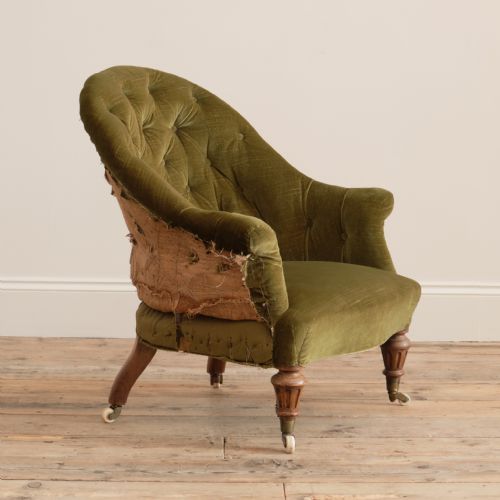
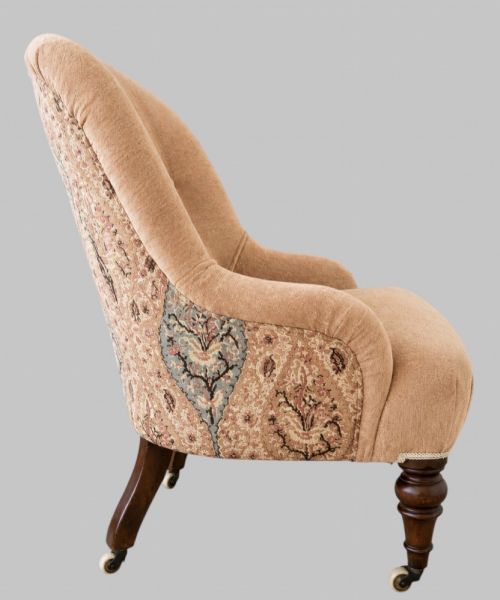
When you search for an iron back chair, you encounter a distinct genre of seating that conceals a rigid metal frame beneath buttoned velvet, plush fabric, or sturdy wood. These pieces emerge predominantly from the nineteenth century and the Victorian era, spanning specific forms like nursing chairs, slipper chairs, and heavy office armchairs.
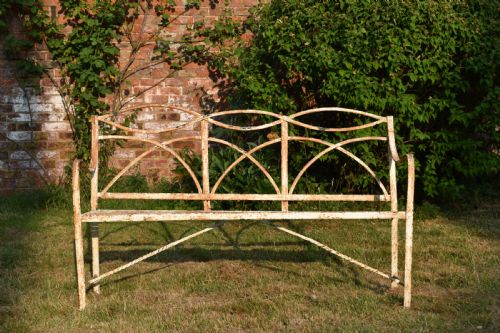
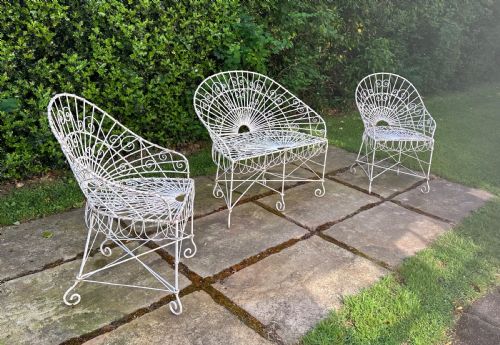
The version you meet most frequently on this page is the Victorian iron framed button back armchair. These examples often retain their sprung seats and appear either ready for re-upholstery or finished in traditional textiles like velvet, alongside occasional garden benches and revolving desk chairs.
How they were made
Maker workshops utilised cast iron and wrought iron frames to shape the curved internal spines of these armchairs, providing durable structural integrity that outlasted traditional timber supports. This metal armature was combined with wood, brass accents, and integrated metal springs to create resilient, supportive seats.
Upholstery completed the construction, layering fabric such as wool, velvet, or printed cotton over buttoned padding and occasional painted finishes. Oak surfaces and carved wooden elements also appear on desk chairs and ships chairs, linking metal engineering with cabinetmaking traditions.
What varies in quality
The distinction between a standard piece and a finer example lies in the sophistication of the iron framing and the refinement of the maker's upholstery work. Pieces attributed to distinguished workshops display superior articulation in the curved iron backrest and more harmonious proportions.
Quality also rests on the retention of original components, such as polished oak structures, brass detailing, and period fabric schemes. The integrity of the internal steel or iron frame dictates the structural longevity of the armchair.
Gillows·Miles and Edwards·Cornelius V Smith·Robert Kime
The Iron Back Chair Glossary
- Iron back chair
- A seating form utilising a concealed or exposed iron frame to support a padded backrest. This construction provides enduring rigidity.
- Button back
- An upholstery technique where depressions are formed in the padding by pulling twine tightly through to the frame and securing with buttons. This creates a diamond pattern.
- Nursing chair
- A low-seated armchair designed for comfort near a nursery hearth or bedroom fireplace. They often feature an iron frame for added support.
- Strapwork
- Flat metal bands arranged in ornamental interlaced patterns, seen on Regency garden benches. It mimics ribbonwork in rigid iron.
- Sprung seat
- A seating base incorporating metal coil springs to enhance resilience and comfort. This method superseded simpler stuffing techniques in the nineteenth century.
Iron Back Chair: Frequently Asked Questions
What is an iron back chair?
An iron back chair is a piece of seating furniture built around a cast or wrought iron internal frame. This metal spine supports upholstered padding, often in a buttoned Victorian style.
These chairs combine industrial metalwork with domestic comfort. They range from low nursing chairs to sturdy office desk chairs.
How old are these chairs?
The listings on this page span the nineteenth century, with a strong concentration of Victorian pieces from the eighteen-eighties and eighteen-nineties. Later examples extend into nineteen-twenty and nineteen-thirty.
Earlier nineteenth-century models feature Regency strapwork or simple curved iron frames. Mid-Victorian examples frequently showcase buttoned upholstery.
Were iron back chairs used in offices?
Yes, workshop records include oak revolving office desk chairs alongside domestic armchairs. These workspace variants utilised iron mechanisms and wooden seats for durability.
They provided sturdy, adjustable seating for nineteenth-century professional environments. Their heavy construction suited daily clerical use.
How do I care for an iron frame?
Keep the metal components dry and free from moisture to prevent oxidation. Polished iron requires occasional light maintenance with suitable protective wax.
Avoid placing these heavy chairs in damp environments. Inspect the exposed metal joints periodically to ensure structural stability.