



Irish Carved Occasional Table
An irish carved occasional table brings rich cabinet-making traditions into a room, offering functional surfaces shaped from dense hardwoods.
Irish Carved Occasional Table
When you search for an irish carved occasional table, you encounter compact furnishings designed for functional use in domestic interiors across multiple periods. The items on this page span the Georgian era through to the mid-nineteenth century, encompassing Victorian and William IV examples.
The forms vary across centre tables, occasional tables, side tables, tilt-top tables, and teapoys. Mahogany, walnut, and rosewood dominate the material record, supplemented by yew wood, pollard oak, brass, and bone details.
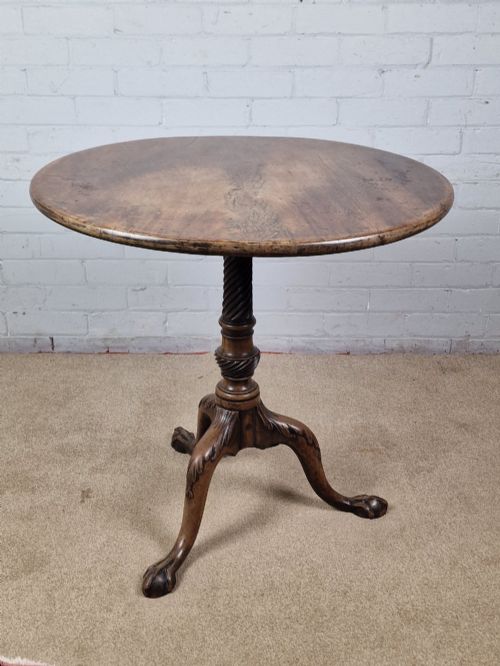
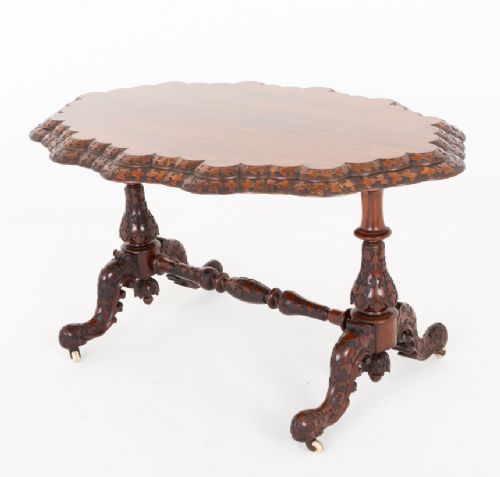
You are most likely to meet tilt-top occasional tables and centre tables displaying distinct regional carving traits. These pieces reflect the workshops and cabinet-makers operating in Dublin and wider Ireland during the eighteenth and nineteenth centuries.
Construction and materials
Makers utilised dense timbers such as mahogany, walnut, and rosewood, often applied as solid planks or refined veneers over secondary woods. Pollard oak and yew wood also appear, providing varied grain patterns across table tops and pedestals.
Joinery techniques combined traditional framing with robust pedestal supports, tripod bases, and tilting mechanisms fitted with brass components. Carved ornamentation was executed directly into the solid timber or applied through separate mouldings.
Irish Carved Occasional Table Retail Price Guide 2026
Typical asking prices for irish carved occasional table among the pieces listed under this phrase on Sellingantiques today, from the lower quarter to the upper quarter. They describe what is for sale here now, not the wider market.
The listings on this page span the Georgian era through to the mid-nineteenth century, incorporating Victorian and William IV stylistic influences.
Assessing quality
The distinction between tiers rests upon the depth and crispness of the carved detail executed by the cabinet-maker. Superior examples exhibit finely proportioned tripod bases and well-figured timber surfaces that have retained their natural warmth.
Construction integrity and the choice of primary wood dictate the overall standing of an individual piece. Finer items demonstrate careful matching of veneers and precision in the mechanical components of tilt-top mechanisms and fitted interiors.
Strahan of Dublin
The Irish Carved Occasional Table Glossary
- Tilt-top table
- A small table with a hinged top that rotates to a vertical position when not in use. This mechanism allowed the furniture to sit flat against a wall to save floor space in period rooms.
- Teapoy
- A small stand or box on a pillar and claw foot designed to hold tea canisters. These pieces often feature internal compartments for storing loose leaf tea.
- Tripod base
- A support structure featuring three legs radiating from a central pillar. This design provides stability on uneven floorboards.
- Silver table
- A specific form of side or display table used for holding silver tea services. Irish iterations often showcase pronounced carved ornamentation along the frieze and legs.
Irish Carved Occasional Table: Frequently Asked Questions
What is an irish carved occasional table?
An irish carved occasional table is a movable small table produced in Ireland, featuring decorative woodwork across the legs, edges, or pedestal. These items served functional roles in reception rooms for holding books, decorative objects, or serving tea.
They encompass various formats including tilt-top supper tables, tripod occasional pieces, and work tables. The regional cabinet-making tradition is marked by distinct carving motifs executed in dense hardwoods.
How were these tables used originally?
In period interiors, these tables were moved around rooms as required for specific domestic tasks. Tilt-top versions stood against walls when not in use to maximise floor space.
Teapoys and work tables provided specialised storage for sewing equipment or tea leaves. They acted as versatile furniture that adapted to the daily routines of the household.
How do I distinguish Georgian from Victorian pieces?
Georgian examples generally display restrained classical proportions, crisp carving, and timber choices like early mahogany and walnut. The construction emphasises structural lightness balanced with sturdy pillar supports.
Victorian and revival pieces often exhibit heavier proportions, bolder relief carving, and the use of rosewood or burr walnut veneers. Stylistic revivals incorporate earlier decorative vocabularies with mid-nineteenth-century manufacturing methods.
How do I live with an antique table?
Living with these pieces involves placing them away from direct heat sources and strong sunlight to protect the wood and polish. Regular dusting with a dry cloth maintains the finish without needing harsh cleaning products.
Their compact sizes allow them to function easily beside seating or in hallways. They serve practical everyday surfaces while retaining their historical character.