




Irish Chest
An irish antique chest brings heavy mahogany and rich oak into a room, offering deep drawers and sturdy joinery built to last.
Irish Chest
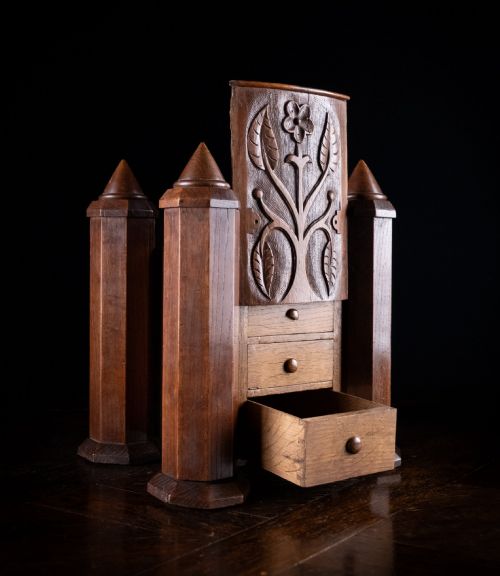
The selection ranges from narrow chests of drawers to elaborate cellarettes and linen presses associated with Irish cabinet makers. These pieces served practical domestic storage needs in country houses and town residences, employing durable native and imported timbers.
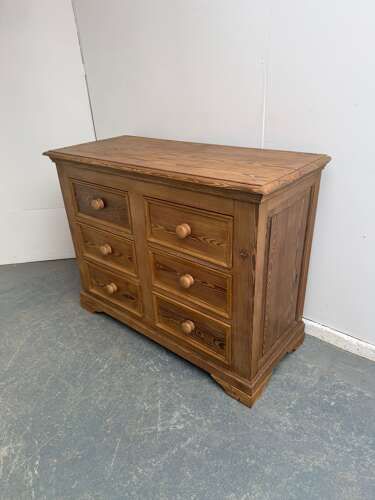
Makers utilised various woods like walnut and pine alongside dense mahogany, shaping forms from simple country pine chests to sophisticated Regency secretaire pieces. Each piece reflects the functional requirements of its era, combining deep storage compartments with traditional joinery.
Construction and Materials
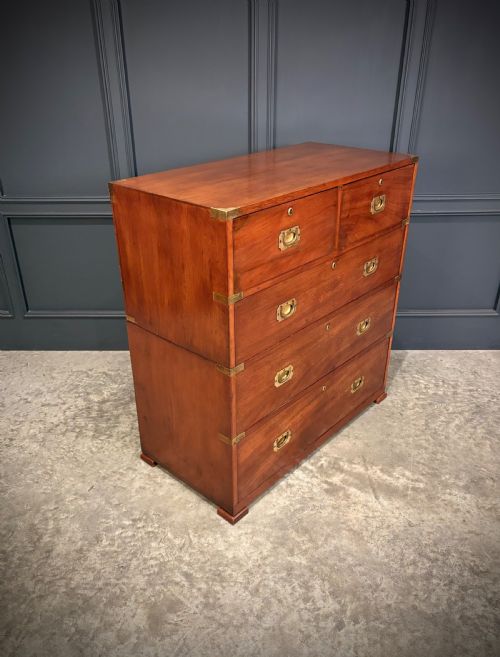
Cabinet makers constructed the primary carcase using dense timbers such as mahogany, oak, and walnut, frequently incorporating pine for internal drawer linings and secondary framing. Iron and brass hardware, including drop handles and campaign-style flush fittings, secured drawers and corners.
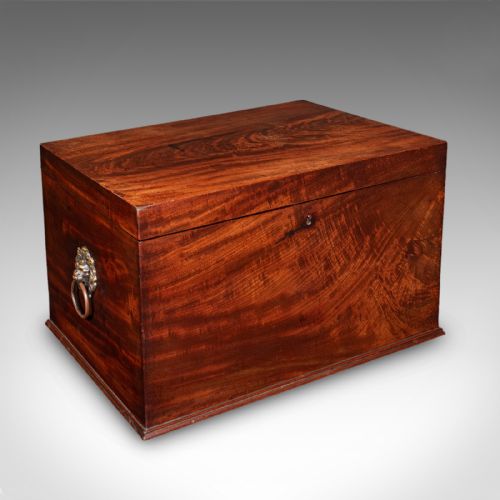
Workshops shaped the timber with hand tools, employing dovetail joints for drawer construction to ensure durability under heavy use. Wax finishes preserved the grain of the wood, while specialised boxes utilised hide linings and brass locking mechanisms.
Irish Chest Retail Price Guide 2026
Typical asking prices for irish chest among the pieces listed under this phrase on Sellingantiques today, from the lower quarter to the upper quarter. They describe what is for sale here now, not the wider market.
Listings feature periods spanning from the 18th century to the Victorian era, utilising mahogany, oak, walnut, pine, brass, and hide.
Factors of Quality
Quality rests on the selection of timber, the precision of the dovetail joinery, and the integrity of the original brass hardware and surface finish. Finer pieces demonstrate careful grain matching across drawer fronts and solid timber construction throughout the carcase and interior linings.
The skill of the cabinet maker determines the refinement of carved details, such as paw feet on cellarettes or intricate mouldings on tallboys. Surviving maker labels or stamps further distinguish pieces produced by notable Dublin workshops from provincial examples.
Ross and Co·William Austin·Gillingtons·Robert Strahan and Co
The Irish Chest Glossary
- Tallboy
- A tall chest of drawers consisting of one chest stacked on top of another. These pieces maximised vertical storage space while maintaining a compact footprint on the floor.
- Secretaire
- A cabinet or chest featuring a pull-down writing drawer that conceals smaller compartments and pigeonholes. This hybrid form combined desk functionality with standard drawer storage.
- Cellarette
- A fitted storage box designed for holding wine bottles and decanters. Examples often feature lead-lined interiors and partitioned compartments to protect glass vessels during transport or dining.
- Linen Press
- A large storage unit with upper cabinet doors enclosing sliding trays for textiles, positioned above a base of lower drawers. They served to store household linens and garments safely.
- Dovetail
- A joint formed by interlocking wedge-shaped fingers of wood. This technique provides exceptional tensile strength for drawer construction without relying on modern adhesives.
Irish Chest: Frequently Asked Questions
How do I date an Irish antique chest?
Examine the secondary woods, such as pine or oak, used inside the drawers and back panels, as these often reveal the period of construction.
The style of the brass handles, locks, and the construction methods used for the drawer joints also help determine whether a piece originates from the Georgian or Victorian eras.
Where were Irish chests placed in a home?
Georgian and Victorian households positioned these chests in bedrooms, hallways, and formal dining rooms depending on the specific form.
Tallboys and linen presses provided bedroom storage for clothing and textiles, while cellarettes stayed in dining areas to manage wine supplies.
How should I care for a mahogany chest?
Maintain a stable room temperature away from direct heat sources and strong sunlight to prevent the timber and wax finish from drying out.
Apply a traditional beeswax polish occasionally and buff with a soft cloth to nourish the grain without building up heavy residues.
What distinguishes an Irish chest from English examples?
Certain Irish pieces display distinct timber choices, specific carving motifs like native foliage, or proportions favoured by Dublin cabinet makers.
Makers such as Strahan or Gillington often applied unique regional design variations to standard forms like secretaire chests and cellarettes.