




Iridescent Mother of Pearl
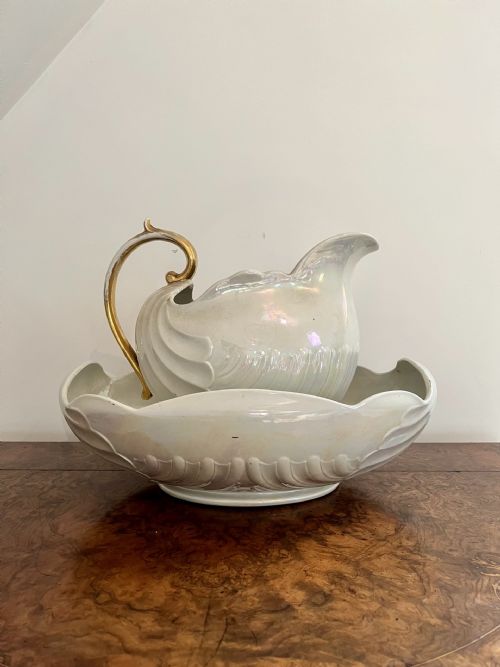
These iridescent mother of pearl pieces combine shimmering nacre with silver, gold, and hardwoods, offering a tactile elegance that elevates any collection.
Iridescent Mother of Pearl
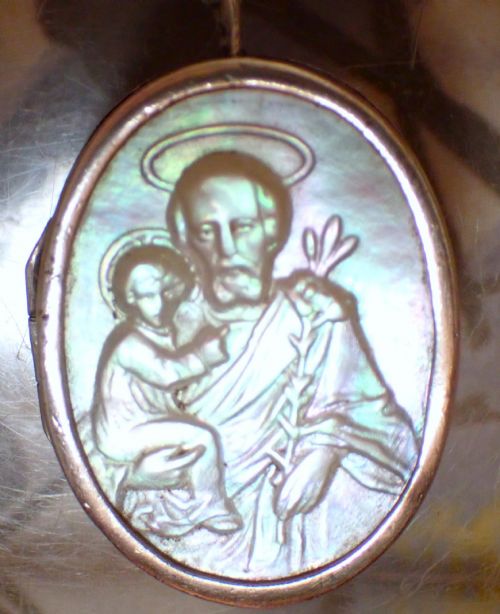
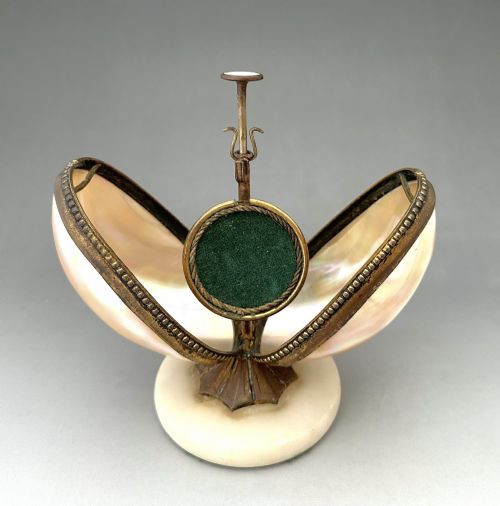
When you search for iridescent mother of pearl, you encounter a diverse array of items spanning the eighteenth, nineteenth, and early twentieth centuries. These objects range from delicate pendants, charms, and lockets to functional items such as opera glasses, decorative keepsake boxes, and sewing accessories.
The most common versions on this page are Victorian and Edwardian personal accessories and decorative objects. You will frequently find carved shell plaques, inlaid boxes, and detailed etuis that showcase the natural play of light across the nacre.
Origins vary widely, encompassing English Victorian work, French Empire and Art Nouveau pieces, Chinese export goods, and Japanese Meiji period items. Each geographical tradition brings distinct carving techniques and mounting styles to the material.
How they were made
Craftsmen utilised mother of pearl, abalone shell, and gold lip shell, selecting pieces for their natural iridescence and depth of colour. These delicate shells were carefully harvested and sliced into thin plates before being shaped.
The shell sections were then hand-carved, engraved, or inlaid into solid supports such as hardwood, brass, silver, and gold wire frames. Artisans combined these natural materials with velvet linings and leather outer casings to complete functional items like necessaires and coin purses.
Listings feature items from the eighteenth, nineteenth, and early twentieth centuries, incorporating silver, gold, hardwood, and leather.
What varies in quality
The finesse of the hand-carving defines the upper tier of these objects, where floral motifs and figural scenes display crisp relief and anatomical precision. Lesser examples rely on plain polished surfaces with minimal surface decoration.
Integration with precious metals and secondary materials dictates overall merit, distinguishing utilitarian items from high-status creations. Mounts in solid gold or detailed silver wire frames indicate superior workshop origin compared to simple brass settings.
Haruyama Shunzan·French Becker
The Iridescent Mother of Pearl Glossary
- Mother of pearl
- The iridescent inner layer of mollusc shells, prized for its shifting play of light and used extensively in decorative objects. It forms the primary visual element across these diverse antiques.
- Abalone shell
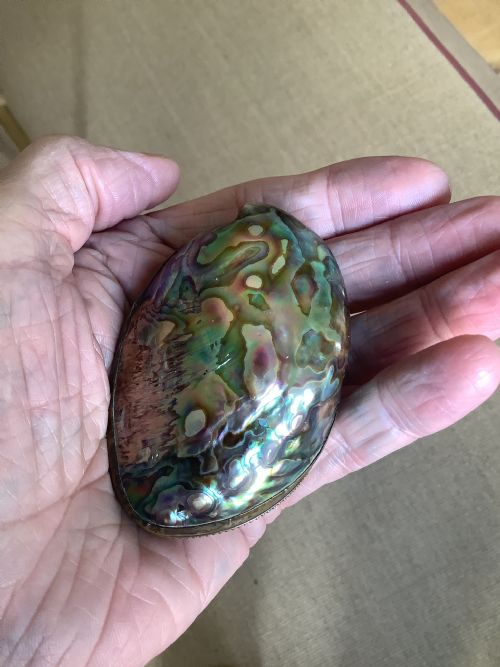
- A specific marine mollusc shell known for deep greens, blues, and purples within its nacre. This material offers a more vibrant colour spectrum than standard pearl oyster shell.
- Etui
- A small ornamental case used for holding needles, cosmetics, or other small personal items. These fitted cases often feature elaborate exterior shell panelling.
- Nacre
- The organic-inorganic composite material secreted by molluscs that creates the pearly lustre. Its microscopic structure bends light to produce the characteristic iridescence.
- Okimono
- A Japanese statuette designed for display, often carved from organic materials during the Meiji period. These decorative sculptures demonstrate exceptional miniature carving skill.
Iridescent Mother of Pearl: Frequently Asked Questions
How do I clean mother of pearl?
Clean mother of pearl gently using a soft, damp cloth without harsh chemical detergents or abrasive cleaners. The organic nature of the nacre makes it sensitive to acidic substances.
Dry the piece thoroughly immediately after wiping to preserve the polished surface and prevent moisture damage to any underlying metal or wood mounts.
What is abalone shell?
Abalone shell comes from marine snails and displays much stronger blues, greens, and pinks than standard oyster-derived mother of pearl. It shares the same nacreous composition but offers a more vivid colour palette.
Victorian craftsmen utilised this variety when they wanted a bolder, more colourful iridescence in snuff boxes and pendants.
How do I date an inlaid box?
Dating an inlaid box involves examining the secondary woods, interior paper or velvet linings, and the style of the brass or steel hardware. Earlier pieces from the early nineteenth century often feature hand-cut brass stringing and simpler box geometry.
Later Victorian and Edwardian examples incorporate machine-stamped hinges and more densely packed floral shell inlay patterns.