




Interwar Oil Painting
An interwar oil painting captures the complex spirit of the decades between the great conflicts, offering striking modernist and post-impressionist visions for your walls.
Interwar Oil Painting
An interwar oil painting represents the artistic output created during the turbulent and transformative period of the nineteen-twenties and nineteen-thirties. You will frequently encounter works originating from French and European studios that showcase the diverse aesthetic shifts of the era.
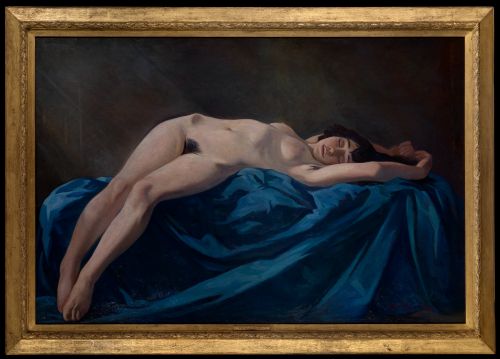
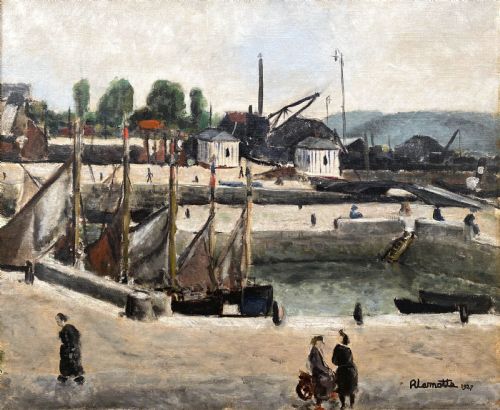
The selections on this page encompass various subjects, ranging from intimate female nudes and bohemian scenes of Paris Montparnasse to industrial cityscapes and rolling rural landscapes. These canvases reflect the complex interplay between traditional academic training and emerging modernism.
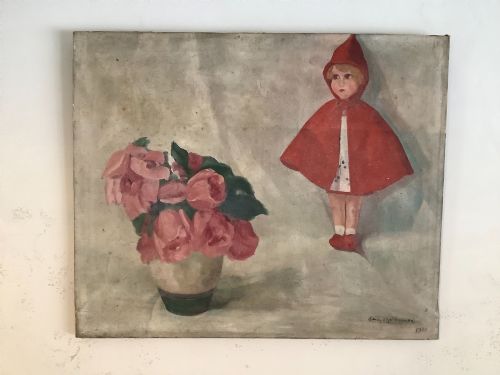
Many examples capture the distinct moods of the interwar years, utilising styles that span from naive art and post-impressionism to sharp art deco sensibilities. Each piece serves as a direct window into the visual culture that flourished between the two world wars.
Materials and Construction
Artists of this period predominantly applied oil paint onto stretched canvas or wooden board, creating textured surfaces that have endured for a century. The ground preparation often mirrors traditional techniques while supporting experimental palettes and looser brushwork.
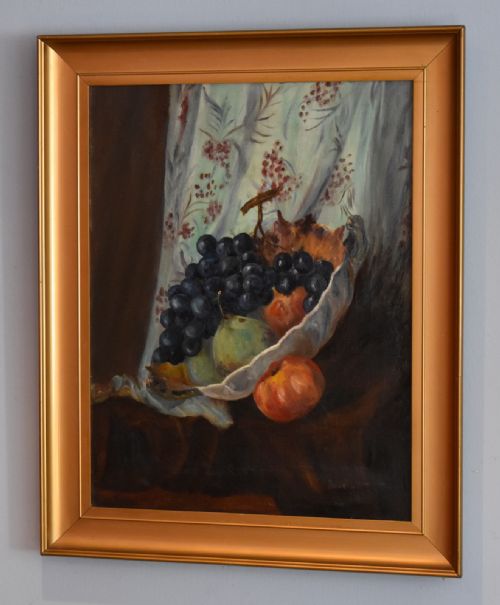
Many canvases retain their period surrounds, frequently housed in original gilt or giltwood frames that complement the distinct aesthetic of the artwork. The physical construction relies on standard joinery for frames and durable plant-fibre fabrics for the primary supports.
The listings demonstrate a strong concentration of French modernist and post-impressionist works executed on canvas and board during the nineteen-twenties and thirties.
Factors of Distinction
The strength of an interwar oil painting rests largely on the confidence of the brushwork and the clarity of the composition, whether depicting a quiet interior or a bustling harbour. Works that demonstrate a decisive command of tone and perspective tend to hold the eye more effectively.
Provenance and documented attribution to named European artists elevate certain pieces above anonymous studio output. The relationship between the subject matter, such as a well-realised portrait or a defined modernist landscape, and its execution dictates the overall standing of the work.
Eric Robertson·Raymond Moritz·Alexandre Louis Martin·Eugen Rosenfeld·Henry L Gates·Cowan Dobson
The Interwar Oil Painting Glossary
- Grisaille
- A painting executed entirely in shades of grey or neutral monochrome. This technique often serves as a preparatory study or an independent stylistic choice.
- Post-Impressionism
- An art movement extending the stylistic approaches of impressionism while rejecting its limitations. Artists prioritised symbolic content and expressive use of paint.
- School of Paris
- A term denoting the diverse community of foreign and local artists who lived and worked in Paris during the decades leading up to the second world war. It encompasses various modern movements rather than a single unified style.
- Art Deco
- A prominent design style characterised by sleek geometric shapes and streamlined forms. In painting, it manifests through stylized figures and structured compositions.
Interwar Oil Painting: Frequently Asked Questions
What defines an interwar oil painting?
These works are defined by their creation dates between the nineteen-twenties and nineteen-thirties, capturing the social and artistic shifts of that specific era. They bridge traditional academic methods with early modernist tendencies.
Subjects range from intimate portraits to industrial cityscapes, reflecting the diverse cultural output of European artists during the period.
How should I care for these canvases?
Keep the paintings away from direct sunlight and dramatic fluctuations in room temperature to protect the ageing oil pigments and canvas supports. Gentle dusting with a soft, dry brush is usually sufficient for maintenance.
Avoid using liquid cleaners or abrasive materials on the painted surface or the original frame.
How do I identify different styles from this era?
Styles vary widely from academic realism to avant-garde experiments like school of Paris modernism or naive art. Examining the brushwork, subject matter, and colour palette helps distinguish between traditional portraits and modernist abstractions.
Signatures, dates, and recorded artist biographies further clarify the specific movement a work belongs to.