
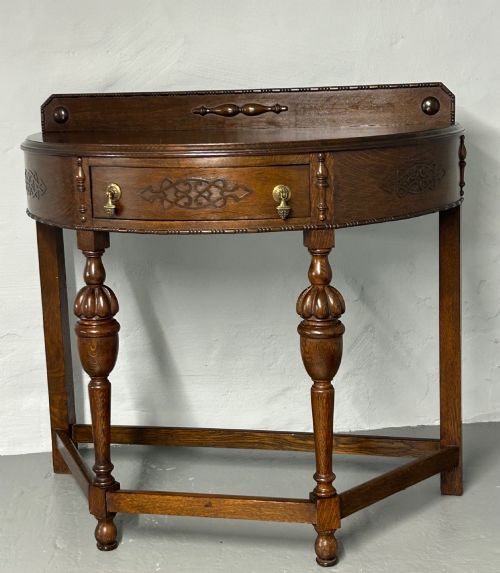


Interwar Oak Table
An interwar oak table brings robust domestic utility and distinct period character into a modern room.
Interwar Oak Table
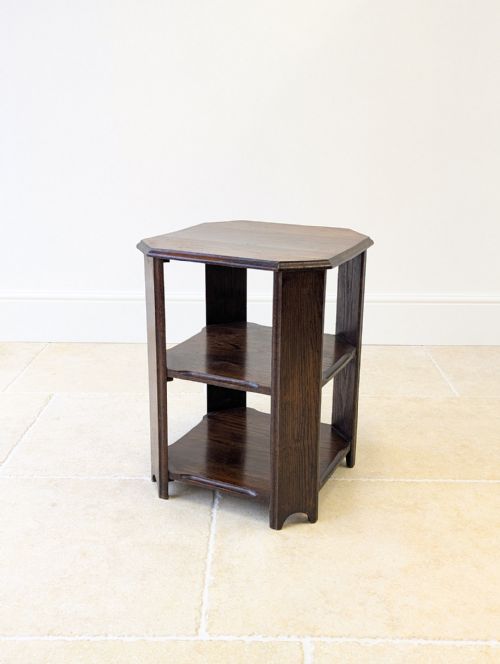
An interwar oak table covers a wide variety of domestic forms produced during the 1920s and 1930s, ranging from compact side tables and coffee tables to substantial dining and refectory tables. Buyers searching for an interwar oak table encounter pieces shaped by various design movements active between the wars, including Arts and Crafts, Art Deco, and revivalist styles.
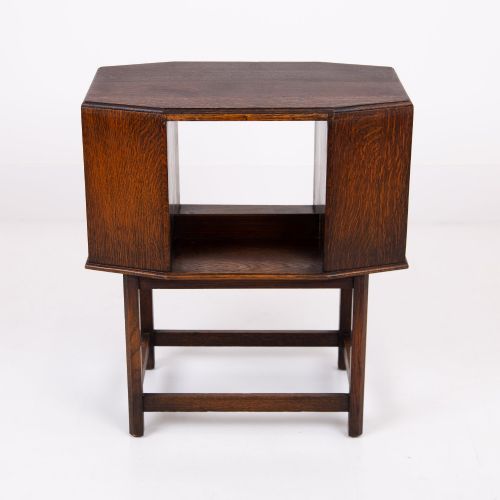
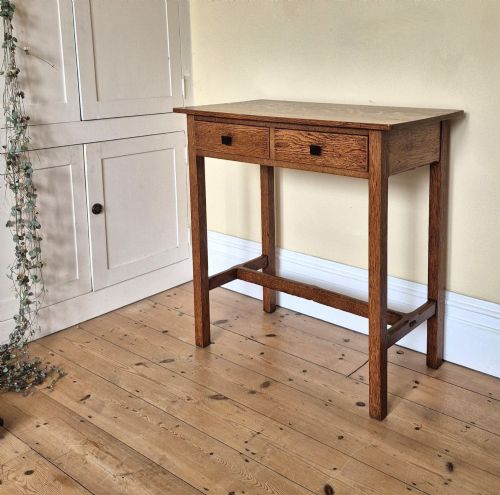
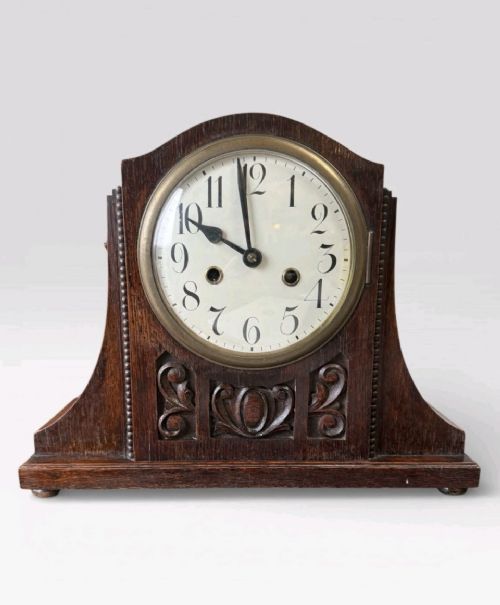
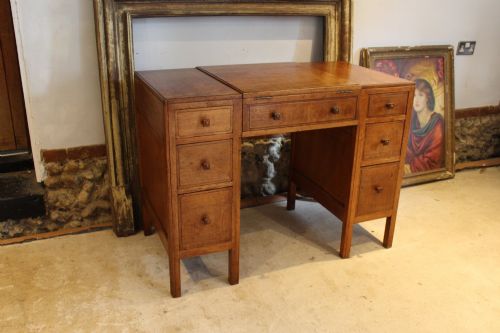
The selection on this page demonstrates the versatility of oak during this era, utilising solid oak, quarter-sawn oak, and limed finishes across items such as console tables, desks, and trolley tables. These pieces reflect the shift in British furniture production towards practical yet stylish domestic items following the First World War and leading into the 1930s.
Assessing quality
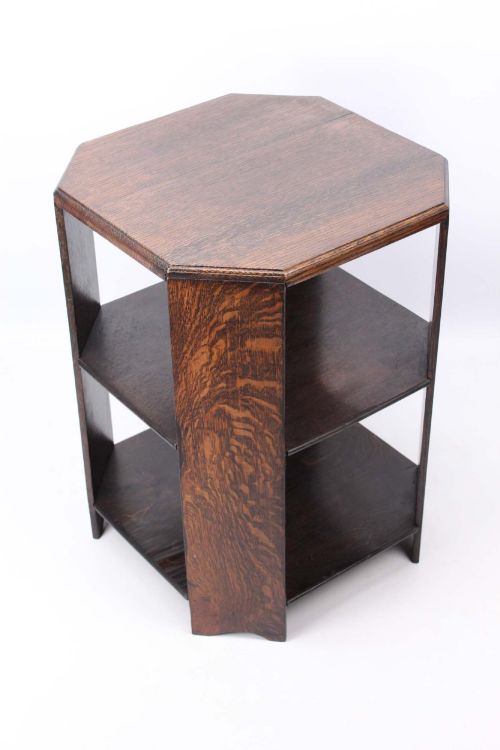
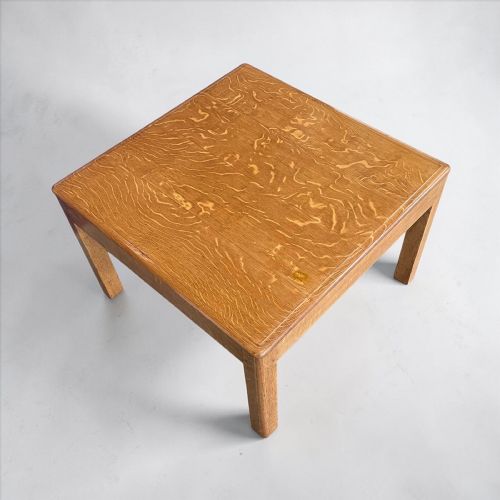
The distinction between standard commercial output and superior interwar furniture rests primarily on the selection of timber and the fidelity of execution. Quarter-sawn oak with prominent medullary rays indicates a more thoughtful cut of wood than plain sawn boards, yielding a surface with greater visual depth.
Attribution to known makers or distinctive design workshops elevates a piece above anonymous factory production. Pieces bearing the hallmarks of prominent firms demonstrate cleaner lines, superior timber selection, and more refined hardware in brass or other metals.
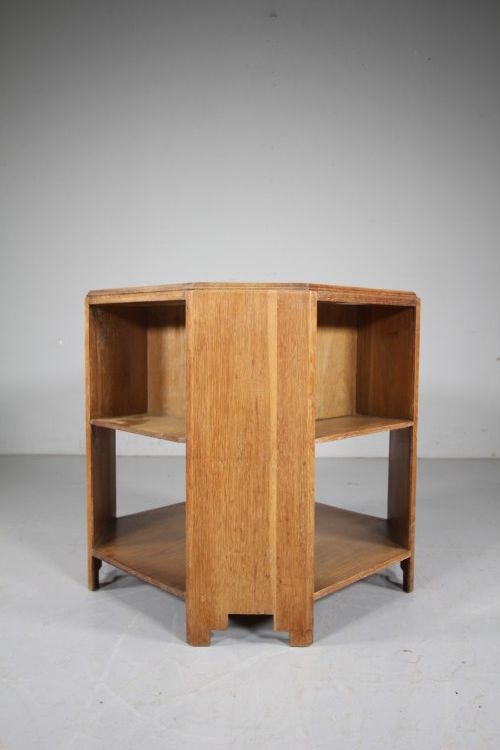
Some tables double as magazine racks or feature lift-off trays, proving interwar designers loved an ingenious hiding spot.
Heal & Sons·Betty Joel·Hubert Simpson of Kendal
The Interwar Oak Table Glossary
- Quarter-sawn oak
- Timber cut radially from the log, producing distinctive grain patterns and greater structural stability. This method exposes the silver grain or medullary rays.
- Limed oak
- A finish applied to wood to create a pale, bleached appearance, popular during the interwar period. It highlights the open grain of the oak.
- Refectory table
- A long dining table traditionally used for communal meals, adapted in the interwar period for domestic dining rooms. These typically feature trestle supports or sturdy legs connected by stretchers.
- Barley twist
- A decorative turning style resembling a twisted rope, commonly found on the legs of tables and stands from the 1920s and 1930s. This form draws on earlier seventeenth-century traditions.
- Drop-leaf table
- A table with hinged flaps on one or both sides that fold down to save space when not in use. Brackets or swing legs support the leaves when raised.
Interwar Oak Table: Frequently Asked Questions
How do I identify an interwar oak table?
Look for construction traits typical of the 1920s and 1930s, such as quarter-sawn oak, limed finishes, and combinations of Arts and Crafts or Art Deco design elements. Maker marks, labels, or attribution to known firms often help confirm the period.
Hardware and leg styles also provide clues, with barley twists and specific forms of trestle bases pointing directly to interwar manufacturing trends.
Are these tables suitable for everyday dining?
Many interwar oak tables, including refectory and drop-leaf variants, were built for practical daily use in family homes. Solid oak construction provides the durability required for regular meals and household activities.
Extension mechanisms on drop-leaf or gateleg models offer flexibility for varying numbers of guests, making them adaptable for modern dining spaces.
What is quarter-sawn oak?
Quarter-sawn oak is timber cut at right angles to the growth rings, resulting in boards that resist warping and showcase striking grain patterns. This method produces visible light-reflecting flakes known as medullary rays.
Furniture made from quarter-sawn timber often signifies higher quality craftsmanship from the interwar period due to the skill and waste involved in the cutting process.
How should I care for an oak table?
Protect the wood from excessive moisture and direct heat sources by using coasters and mats. Regular dusting with a soft, dry cloth preserves the finish without building up residue.
Occasional treatment with appropriate wax helps maintain the lustre of the oak without sealing the timber with modern synthetics.