
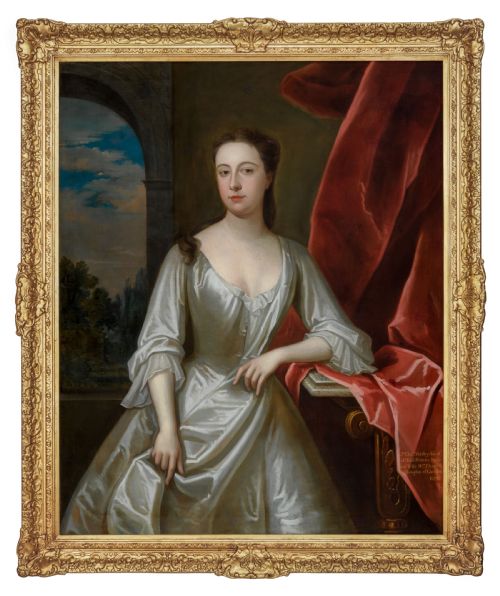

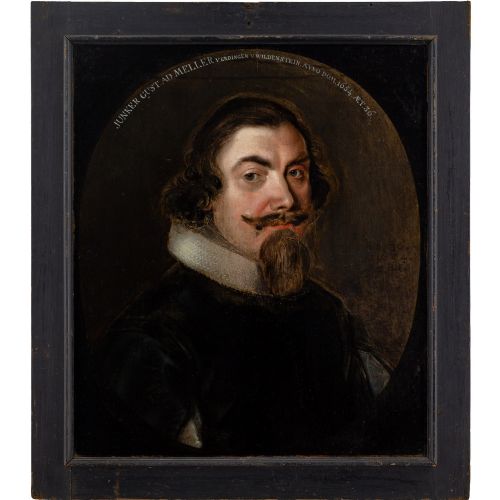
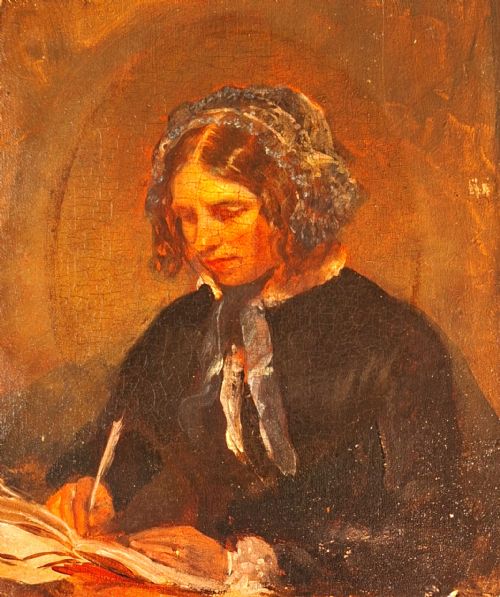


Inscribed Oil Portrait
An inscribed oil portrait carries handwriting that names the sitter, painter or date directly onto the canvas, copper or frame.
Inscribed Oil Portrait
When you search for an inscribed oil portrait, you are looking at historical canvas and copper panels carrying direct written identification of the sitter or the occasion. The pieces found here span from the seventeenth century through to the early twentieth century, taking in British Baroque, Georgian and Victorian periods. You will encounter formal aristocratic depictions alongside domestic scenes and folk art representations, each bearing contemporary or later handwriting.
The most common examples on this page are oil paintings on canvas set within wood frames, often with inscriptions placed upon the reverse or along the margins. These writings supply names, dates and familial connections that transform an anonymous face into a documented individual. The subjects range from bishops and monarchs to racing pigeons and private citizens.
Materials and construction
These works rely upon traditional oil paint applied to prepared surfaces of woven canvas, solid wood panels or sheets of copper. The application of oil medium allowed artists to build rich tones and careful details that survived centuries of handling. Gilded wood and stepped oak frames frequently house these paintings, sometimes carrying metal presentation plaques or handwritten labels pinned to the backing.
Inscriptions were executed using fine brushes with dark pigment directly onto the dry paint surface, canvas reverse or copper plate. Such handwritten notes served to record the identity of the sitter, the age of the subject at the time of sitting, or the attribution to a specific painter or school.
Racing pigeons join bishops and monarchs on this page, proving that historical portraiture occasionally prioritized feathered champions over nobility.
Assessing quality and execution
The preservation of both the painted surface and the original support material dictates the standing of the work. Early copper panels and seventeenth-century canvases require stable grounds to prevent pigment loss, while original frames with contemporary plaques add contextual depth to the object.
Sir Godfrey Kneller·J Brown·William Henry Knight·Waterhouse·Robert More·Rolinda Sharples·William Denune·Sir Peter Lely·Kershaw Schofield·John Scougall
The Inscribed Oil Portrait Glossary
- Oil on canvas
- Pigments bound in drying oils applied to a woven fabric support stretched over a wooden frame. This combination became the standard medium for portraiture from the seventeenth century onward.
- Inscribed
- Bearing handwritten letters, signatures or dates applied by the artist or a later hand. These notes provide vital clues regarding the identity of the sitter.
- Copper
- A rigid metal sheet used as a painting support, prized for its smooth surface that allows for minute detail. It was favoured by artists working on a smaller scale during earlier periods.
- British Baroque
- An artistic style spanning the late seventeenth and early eighteenth centuries characterised by theatrical grandeur and formal dignity. Portraits from this movement often display rich drapery and Latin or English lettering.
- Attributed
- Assigned to a particular artist or workshop based on stylistic similarities rather than documented proof. This term indicates strong scholarly consensus without absolute signature verification.
Inscribed Oil Portrait: Frequently Asked Questions
What does an inscribed oil portrait show?
These works depict historical figures, nobility, clergy and everyday individuals captured in oil paint upon canvas, wood or copper. The inscriptions add names, dates or biographical notes directly onto the physical object.
Subjects range from seventeenth-century bishops and reformers to Victorian family members and twentieth-century monarchs. Each piece preserves a likeness alongside written evidence of who is portrayed.
Where are the inscriptions usually found?
Inscribed text commonly appears on the reverse of the canvas, along the margins of the painted surface, or on attached paper labels and framing plaques. Some are written directly into the wet paint by the artist.
Later owners or family members also added explanatory notes to the backboards or stretchers to preserve the identity of the sitter for future generations.
How should I hang an oil portrait at home?
Keep oil paintings away from direct sunlight, damp walls and strong heat sources such as radiators to protect the canvas and wood. Stable indoor conditions prevent the paint layer from cracking.
Ensure the frame is securely hung from structural fixings, as antique oak and gilded frames carry considerable weight.
How can I tell the period of the painting?
Dating relies upon the style of the clothing, the construction methods of the canvas support, and the framing materials. Handwriting styles within the inscriptions also offer clues to the era.
Earlier works from the seventeenth century often utilise copper or heavy wooden panels, while nineteenth-century examples standardise stretched canvas formats.