

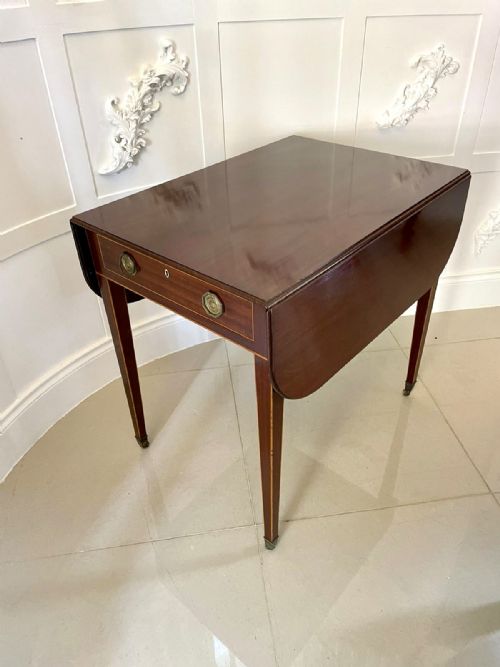


Inlaid Wooden Breakfast Table
An inlaid wooden breakfast table offers a sturdy centrepiece for a morning room, combining practical drop-leaf surfaces with rich decorative woodwork.
Inlaid Wooden Breakfast Table
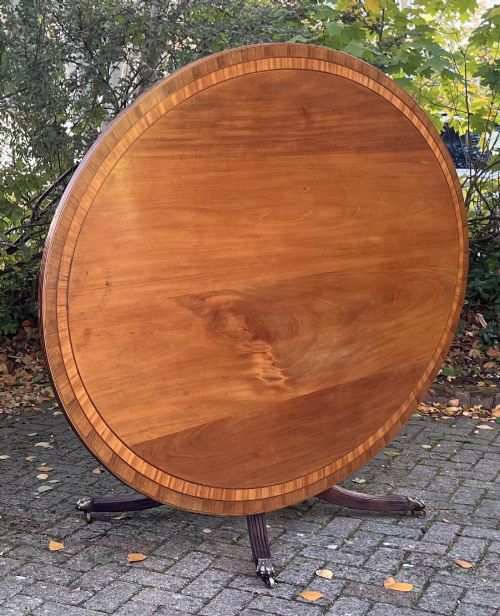
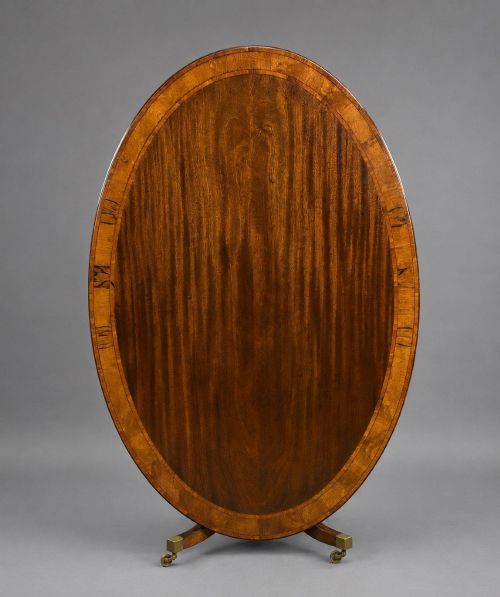
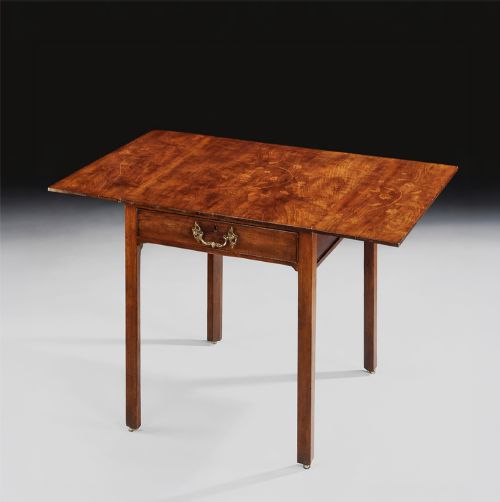
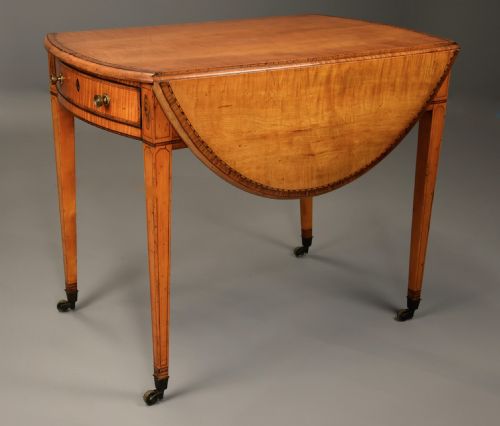
When searching for an inlaid wooden breakfast table, buyers encounter a selection dominated by Georgian, Regency, and Victorian pieces. These designs frequently manifest as Pembroke tables, occasional tables, and round breakfast tables suited for daily dining or parlour use.
The materials span mahogany, burr walnut, and satinwood, often enhanced with wood inlay and marquetry detail. Such tables typically feature drop leaves, tilt tops, or pedestals designed to accommodate flexible room layouts in period homes.
Construction and materials
Cabinet makers utilised solid timber veneers such as mahogany, burr walnut, and satinwood applied over sturdy carcase woods. These surfaces received meticulous marquetry and wood inlay, creating contrasting borders and geometric centrepieces.
Structural elements incorporated brass fittings and turning techniques, particularly on the pedestals of circular breakfast tables and the hinged flaps of Pembroke tables. Tilt-top mechanisms required precise joinery to ensure stability when lowered.
Inlaid Wooden Breakfast Table Retail Price Guide 2026
Typical asking prices for inlaid wooden breakfast table among the pieces listed under this phrase on Sellingantiques today, from the lower quarter to the upper quarter. They describe what is for sale here now, not the wider market.
Some Pembroke tables hide a pair of dummy drawers so the design looks symmetrical from every angle of the room.
Evaluating the craftsmanship
Quality rests upon the choice of timber and the precision of the marquetry inlay. Finer examples display highly figured burr walnut or fiddleback sycamore with crisp, undisturbed geometric banding rather than painted substitutes.
The integrity of the mechanism dictates everyday utility. Superior tilt-top mechanisms and drop-leaf hinges operate smoothly without lateral movement, securing firmly in position through well-fitted wooden catches and brass hardware.
The Inlaid Wooden Breakfast Table Glossary
- Pembroke table
- A small table with hinged drop leaves on either side, introduced in the eighteenth century for breakfast or writing.
- Marquetry inlay
- Decorative patterns formed by fitting small pieces of contrasting veneer into a prepared wooden surface.
- Burr walnut
- Timber taken from the warted growth of a walnut tree, prized for its swirling, highly figured grain patterns.
- Tilt top
- A tabletop hinged to its pedestal or base, allowing it to pivot vertically for storage against a wall when not in use.
Inlaid Wooden Breakfast Table: Frequently Asked Questions
What is a Pembroke table?
A Pembroke table is a compact design featuring two hinged drop leaves supported by folding brackets or swing legs. It served varied domestic roles from breakfast dining to light writing.
Cabinet makers produced these tables throughout the Georgian and Victorian eras, often incorporating drawers at one or both ends.
How do I care for burr walnut?
Burr walnut veneer requires stable indoor humidity and protection from direct sunlight to prevent drying and fading. Regular dusting with a soft, dry cloth preserves the polished finish.
Avoid placing hot or damp items directly onto the wood surface, using protective mats to safeguard the delicate grain and inlay.
Are tilt-top tables stable?
Original tilt-top mechanisms use a wooden catch and a brass latch to secure the tabletop firmly to the central pillar. When properly maintained, they lock safely into position for dining.
Testing the pivot mechanism reveals whether the block and tenon joint remains snug and free from excessive wobble.
How do I distinguish Regency from Victorian styles?
Regency pieces often draw inspiration from classical antiquity, featuring clean lines, rosewood or mahogany veneers, and restrained brass mounts. They typically date from the early nineteenth century.
Victorian examples tend towards heavier proportions, utilising burr walnut and ornate marquetry inlay with more exuberant carving on the pedestal bases.