






Inlaid Stone Table Top
An inlaid stone table top brings mineral colour and precise geo-metric craft straight into a room, offering a durable surface built from marbles and hardstones.
Inlaid Stone Table Top
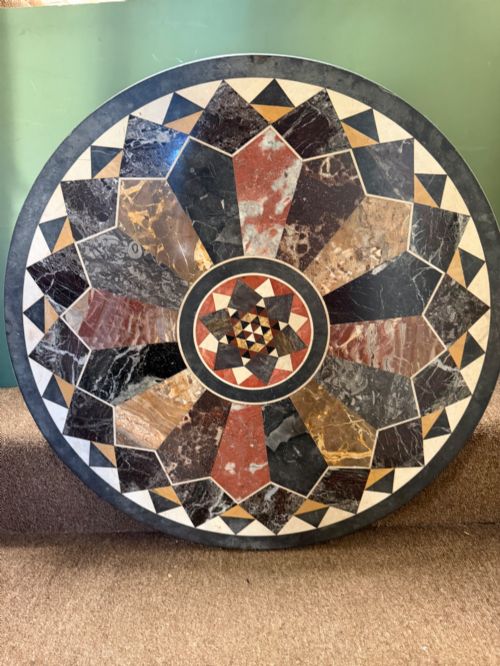
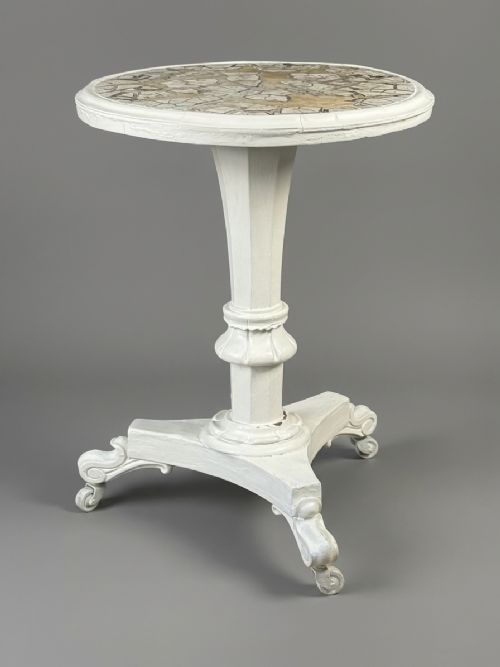
An inlaid stone table top draws together mineral specimens, marbles, and hardstones to create patterned surfaces set onto dining, coffee, or occasional tables. Buyers seeking an inlaid stone table top will encounter forms spanning the Regency era, the nineteenth century, and twentieth-century modernism.
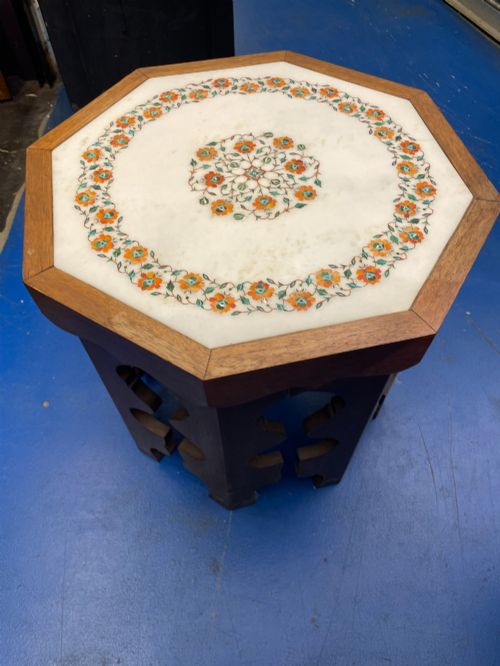
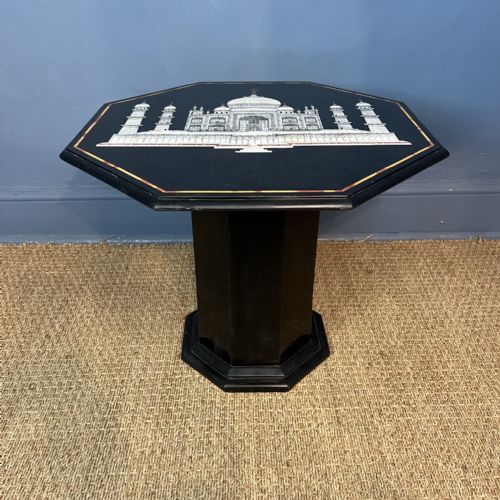
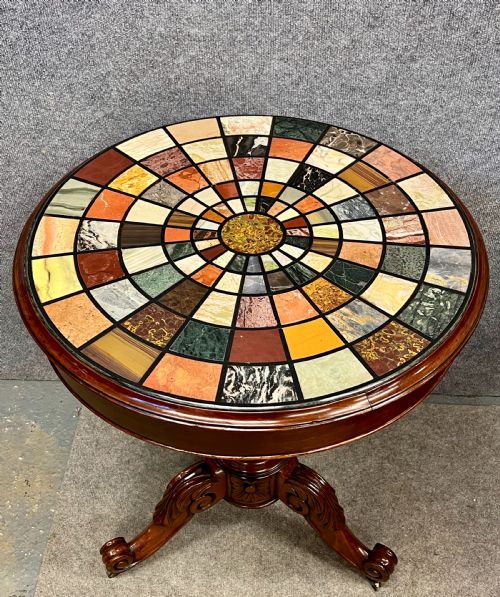
Derbyshire specimen work, Italian pietra dura, and Indian black marble pieces inlaid with Taj Mahal motifs appear frequently across the inventory. These surfaces function equally as standalone table tops and complete tables supported by carved wood or brass bases.
Materials and construction
Craftsmen shape bases from hardwoods such as mahogany and painted wood, then mount heavy tops constructed from slate, white marble, black marble, or onyx. The decorative elements rely on specimen stones and semi-precious stones cut thin and fitted closely together.
Workshops utilise pietra dura techniques to arrange coloured mineral slices into floral or geometric pictorial scenes. Mosaic and tesselated stone methods assemble small tesserae or larger geometric stone sections into durable, polished upper surfaces.
Inlaid Stone Table Top Retail Price Guide 2026
Typical asking prices for inlaid stone table top among the pieces listed under this phrase on Sellingantiques today, from the lower quarter to the upper quarter. They describe what is for sale here now, not the wider market.
Listings incorporate nineteenth-century Regency and Victorian periods alongside 1920 and 1930 twentieth-century dates.
Judging quality and craft
Superior examples display tight, seamless joins between individual stone inserts, whereas lesser pieces reveal visible filler or wider gaps in the mosaic work. The geological variety and rarity of the specimen marbles utilised dictate the visual depth of the top.
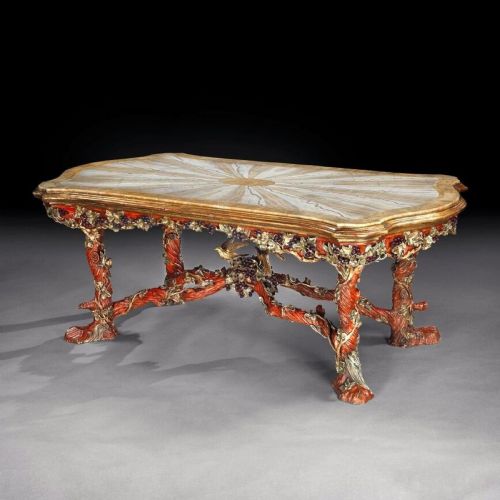
Carved wooden bases demonstrate varying levels of sculptural ambition, ranging from simple turned supports to polychrome Italian carvings with intricate detail. The precision of the polish across mixed mineral surfaces separates standard production from exceptional studio output.
Amleto Bertoni·Woodley family
The Inlaid Stone Table Top Glossary
- Pietra dura
- An Italian mosaic technique using cut and fitted polished coloured stones to create images. Craftsmen embed hardstones like jasper, chalcedony, and marble into a base slab.
- Specimen marble
- Marbles gathered from various global quarries and valued for distinct natural coloration and veining. Makers assemble these samples into geometric panels or geological tabletop specimens.
- Grand tour
- A cultural journey undertaken by nineteenth-century Europeans who collected portable art and inlaid stone objects. These travellers frequently purchased specimen marble table tops as souvenirs in Florence or Rome.
- Tesselated stone
- Small pieces of stone arranged in a repeating pattern over a structural substrate. This technique appears on mid-century and postmodern occasional tables.
- Taj Mahal work
- Inlay work featuring floral motifs composed of hardstones set into black marble. This specific regional Indian style mirrors the decorative stone architecture of Agra.
Inlaid Stone Table Top: Frequently Asked Questions
What is an inlaid stone table top?
An inlaid stone table top is a rigid surface constructed by setting coloured marbles, slates, and semi-precious stones into a backing slab. These pieces range from geometric specimen arrangements to floral pietra dura compositions.
Craftsmen mount these heavy stone surfaces onto diverse wooden or metal bases to function as centre tables, dining tables, or low coffee tables.
How do I clean an inlaid stone table?
Clean stone surfaces using a soft cloth dampened with plain water or a neutral, non-acidic cleaner. Avoid harsh chemical agents or vinegar, which can etch marble and dissolve the binding adhesives.
Dry the stone thoroughly after wiping to maintain the polished finish across the varied mineral inlays.
Are these tables heavy?
Yes, solid marble, slate, and multi-stone tops possess substantial weight that requires careful placement and sturdy structural support. Ensure the base or supporting cabinet is rated to carry heavy mineral loads.
When moving these tables, lift the top separately from the base whenever possible to prevent structural strain on the joinery.
Where were these tables made?
Origin locations span Victorian England, nineteenth-century Italy, India, and North Africa. Florentine workshops specialised in pietra dura, while English makers utilised Derbyshire mineral specimens.
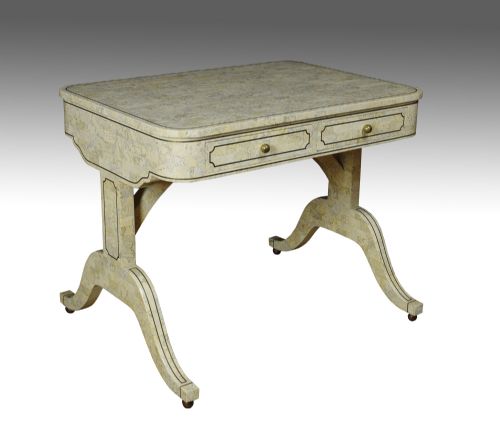
Mid-century and postmodern Italian studios later revived stone mosaic techniques using tesselated surfaces and brass accents.