


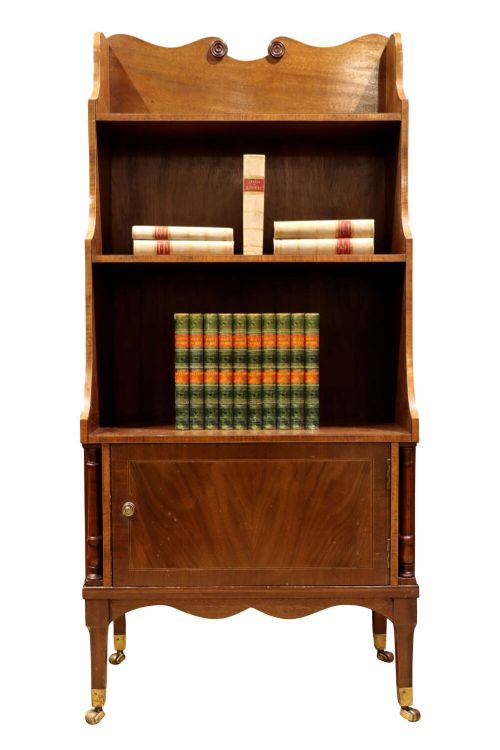
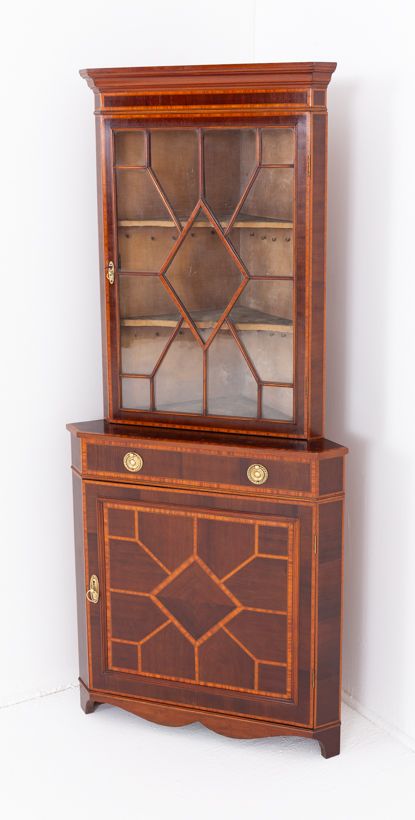
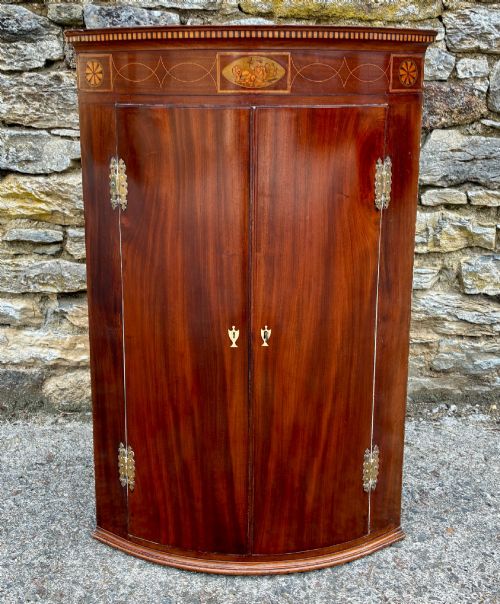
Inlaid Display Unit
An inlaid display unit brings timber and glass together to showcase treasured possessions across Edwardian, Victorian, and Georgian interiors.
Inlaid Display Unit
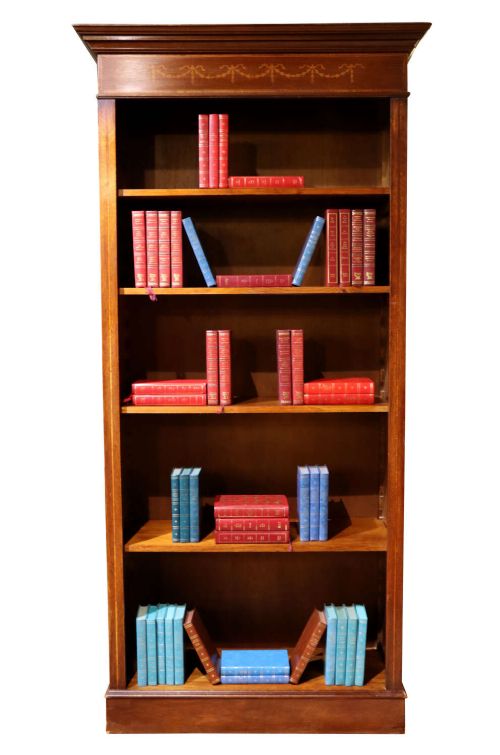
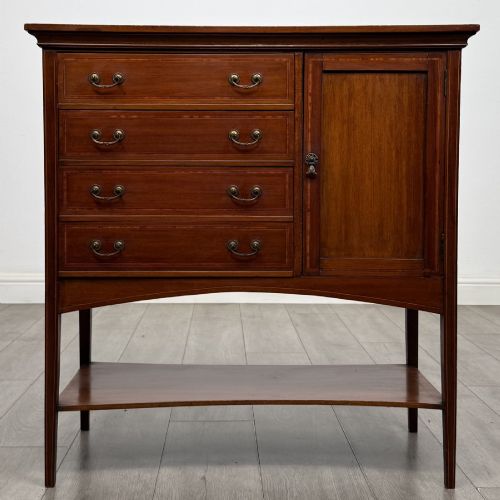
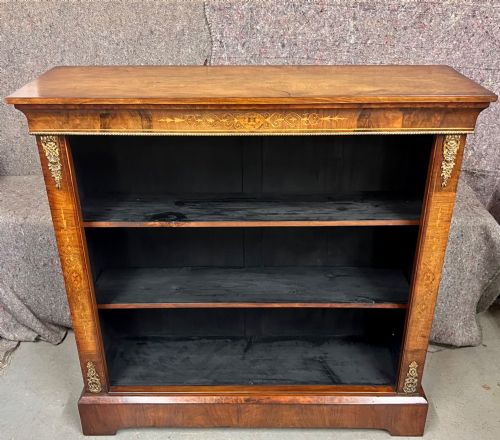
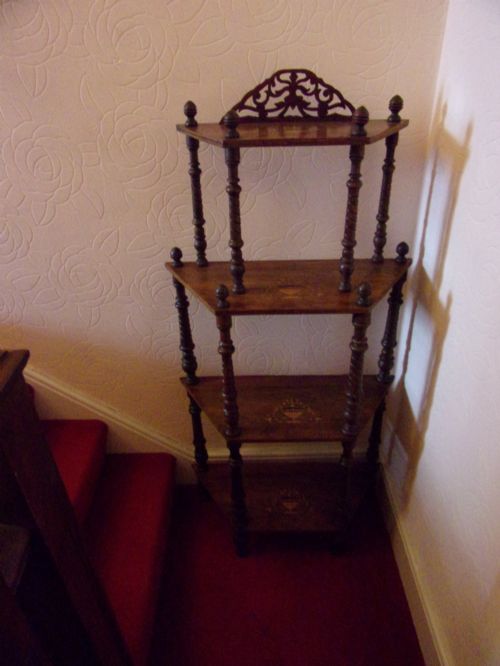
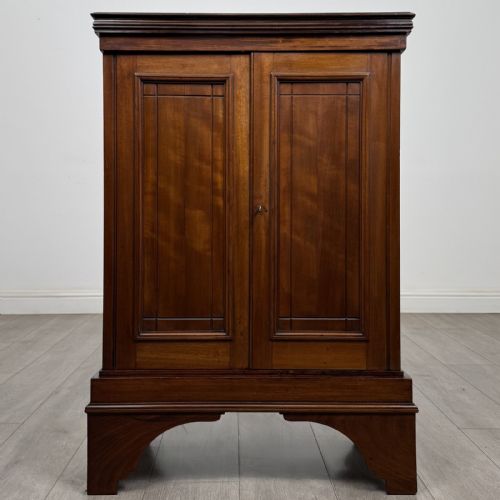
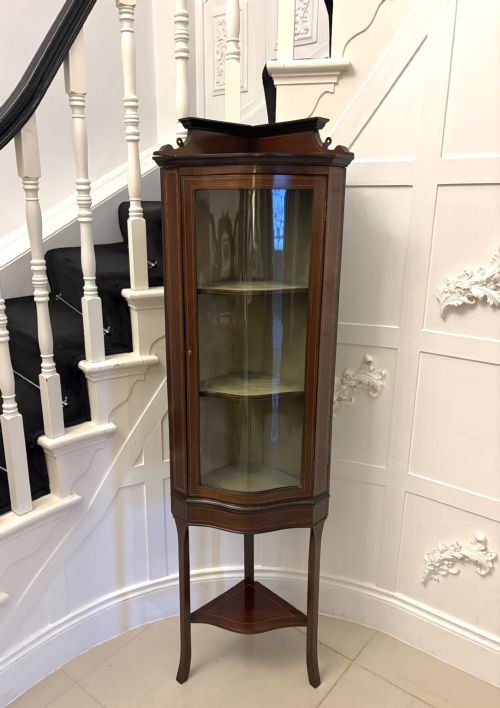
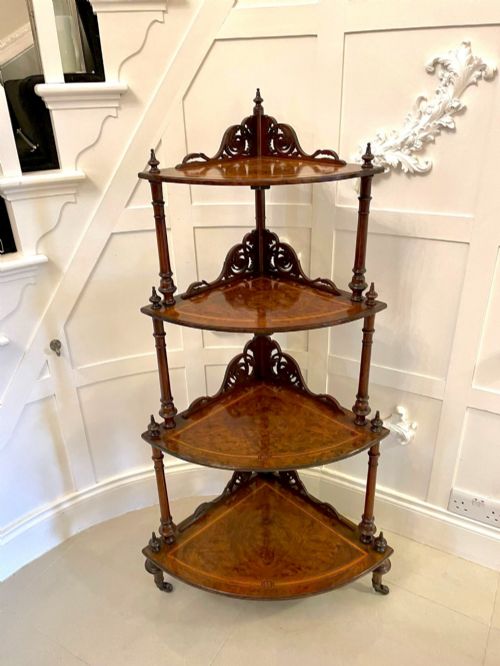
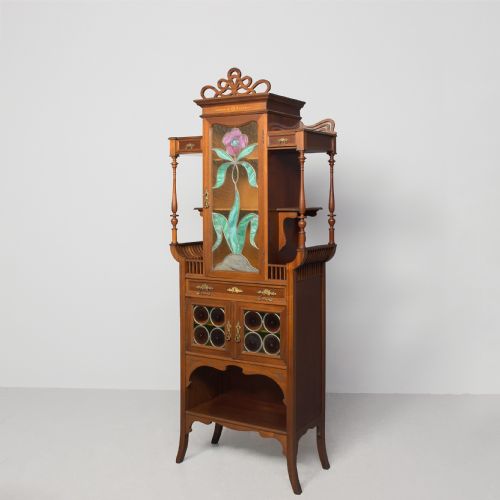
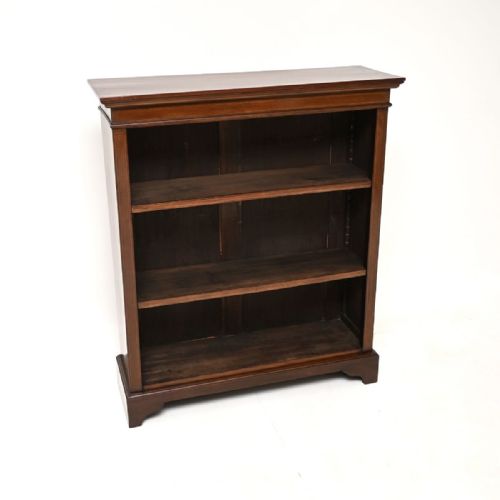
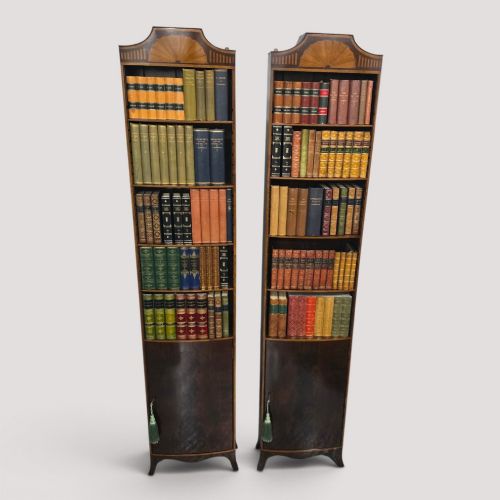
When someone searches for an inlaid display unit, they encounter a range of timber furniture designed to hold books, ceramics, and ornaments while featuring contrasting decorative woodwork. These items appear primarily as corner cabinets, wall shelves, bookcases, and whatnots spanning the 18th, 19th, and 20th centuries.
Edwardian and Victorian pieces dominate the selection, frequently combining mahogany with satinwood or boxwood inlay. Cabinets with glazed doors and open shelving structures provide the standard forms for storing and exhibiting objects in domestic spaces.
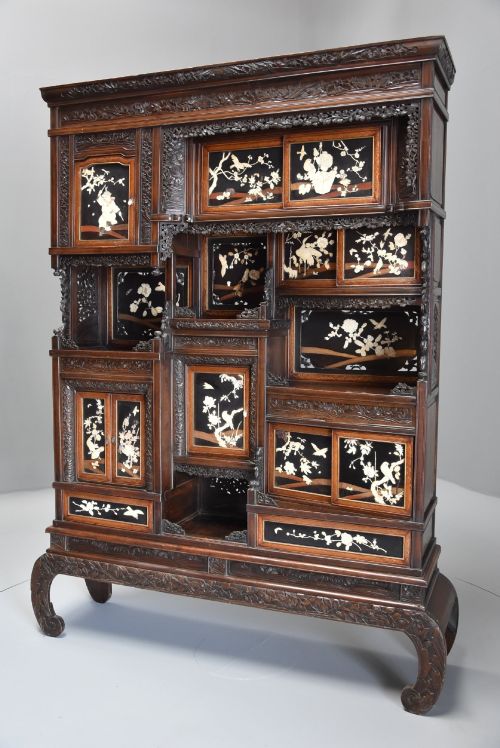
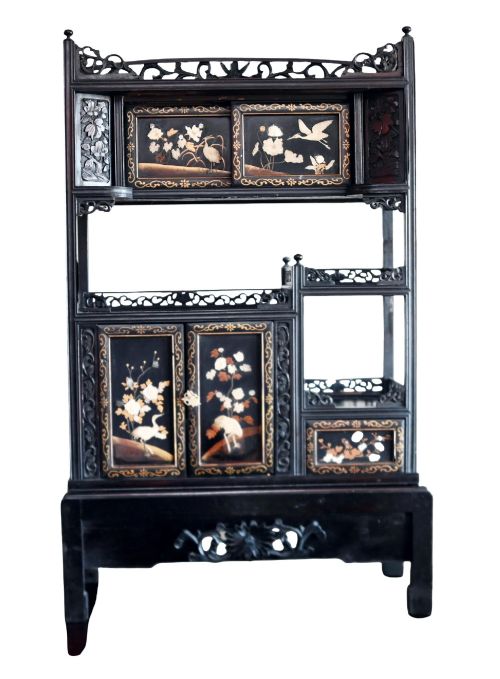
Regional variations span British cabinetmaking alongside Japanese, Chinese, and Sorrento pieces. Corner units and floor-standing bookcases represent the most common configurations found in this category.
What varies in quality
The standard of an inlaid display unit rests upon the precision of its timber selection and the execution of its decorative work. Finer examples display crisp, tight joints in the inlay where contrasting woods meet without gaps.
Timber figure, such as burr walnut or rich mahogany grain, elevates a piece alongside substantial brass hardware and well-proportioned glazing bars. Structural integrity in the door frames and shelving supports distinguishes superior cabinetmaking from standard production.
Inlaid Display Unit Retail Price Guide 2026
Typical asking prices for inlaid display unit among the pieces listed under this phrase on Sellingantiques today, from the lower quarter to the upper quarter. They describe what is for sale here now, not the wider market.
Corner configurations represent the most frequent furniture form among these display units and cupboards.
Shapland & Petter
The Inlaid Display Unit Glossary
- Inlay
- A technique where pieces of contrasting wood, shell, or metal are fitted into recesses flush with the surrounding timber surface.
- Marquetry
- Elaborate decorative veneer work assembled in patterns or pictorial designs, applied across the entire surface of a cabinet.
- Whatnot
- A piece of freestanding furniture featuring multiple open tiers for displaying ornaments and small objects.
- Waterfall bookcase
- A shelving unit with receding tiers stepped back progressively from bottom to top.
- Sheraton Revival
- A late 19th and early 20th century style inspired by 18th century neoclassical furniture designs.
Inlaid Display Unit: Frequently Asked Questions
What is an inlaid display unit?
An inlaid display unit is a wooden cabinet, bookcase, or shelving piece decorated with contrasting wood veneers. These items combine storage utility with decorative surfaces.
They serve to hold books and display ceramics or collectables within domestic rooms. Styles range from Georgian and Victorian to Edwardian revivals.
Where should I place a corner display unit?
Corner display units fit into room junctions to utilise unassigned space effectively. Floor-standing and wall-hanging variants both suit this purpose.
They work well in dining rooms, living spaces, and hallways where a flat cabinet might obstruct movement. Glazed doors protect displayed contents from dust.
What is the difference between a whatnot and a bookcase?
A whatnot consists primarily of open tiers designed for displaying objects rather than storing books. Bookcases feature enclosed or open shelving specifically proportioned for reading materials.
Some hybrid pieces combine lower cupboards with upper open shelves or glazed display sections. Both types frequently incorporate decorative timber inlay.