
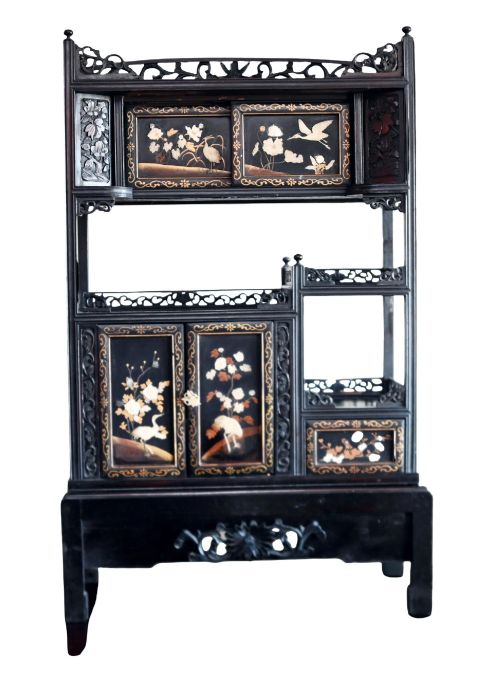
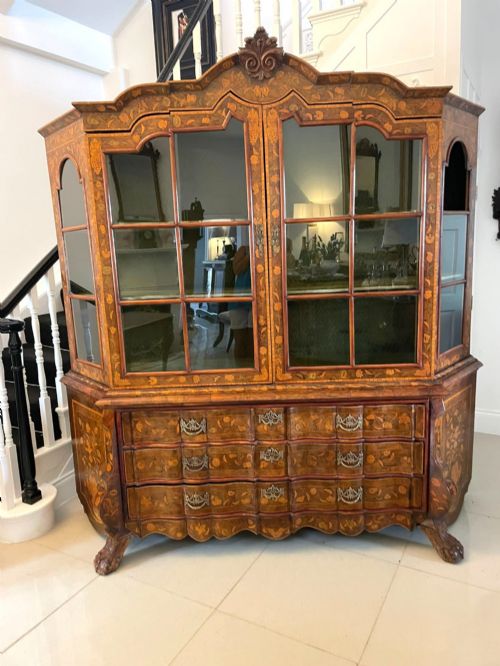
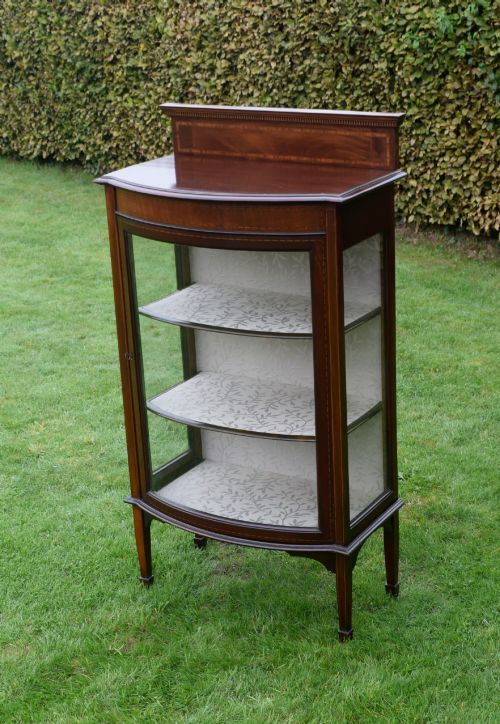
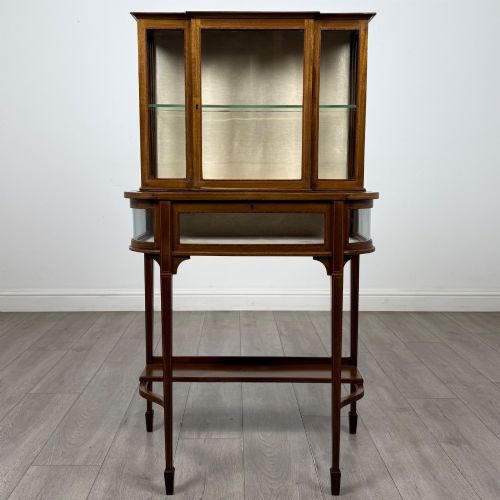
Inlaid Cupboard Bookcase
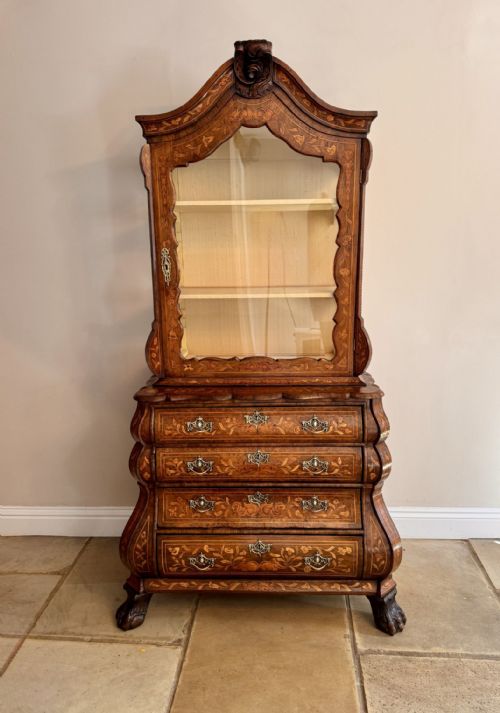
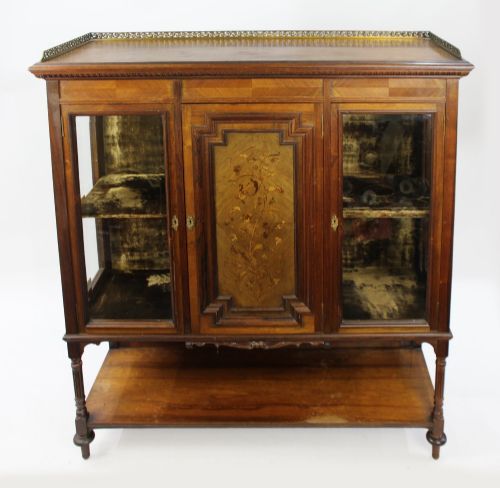
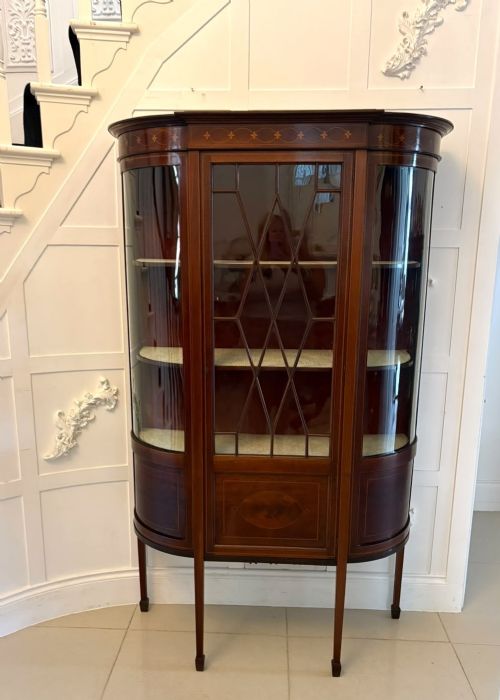
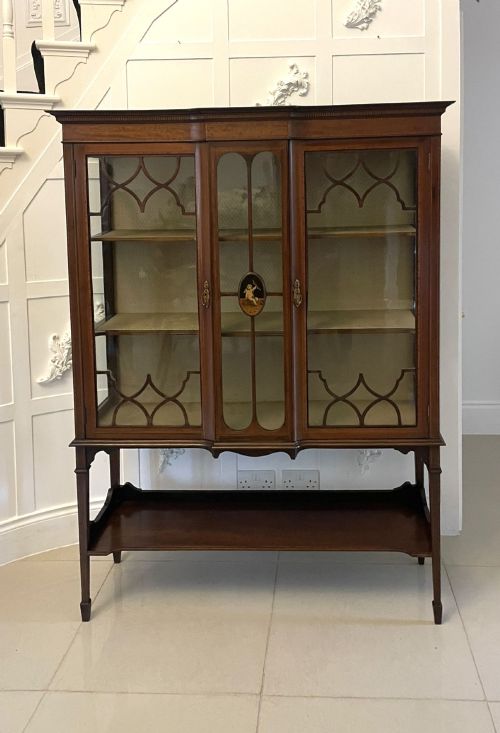
These inlaid cupboard bookcase pieces combine storage with display, offering fitted shelving and enclosed cupboard bases suited for domestic collections.
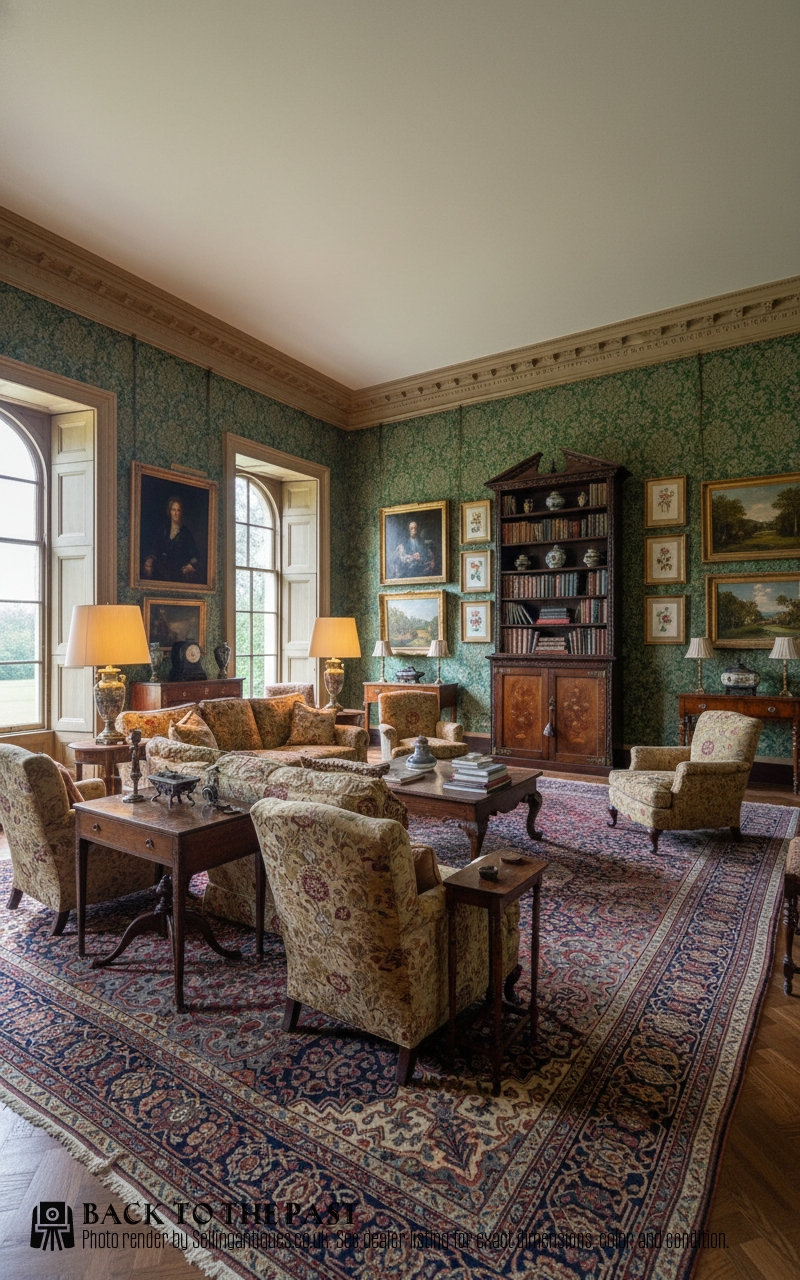
Inlaid Cupboard Bookcase
An inlaid cupboard bookcase brings together an upper shelved section for books or display with a lower enclosed cabinet base, uniting two distinct storage functions in one substantial piece of furniture.
The pieces appearing on this page span several periods, with Edwardian and Victorian examples forming the bulk of the selection alongside earlier Georgian and Regency forms.
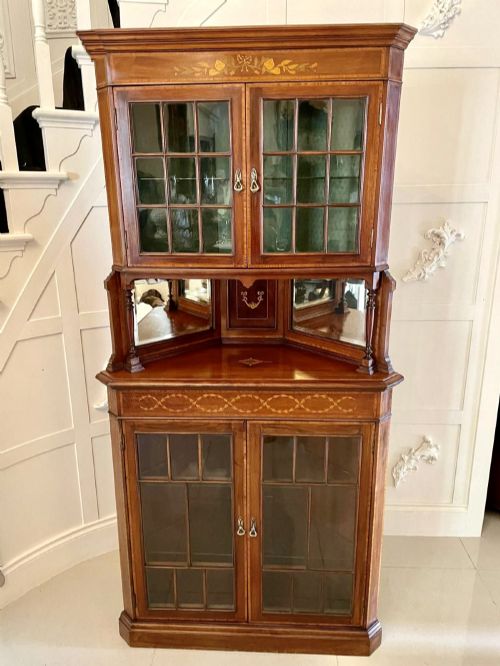
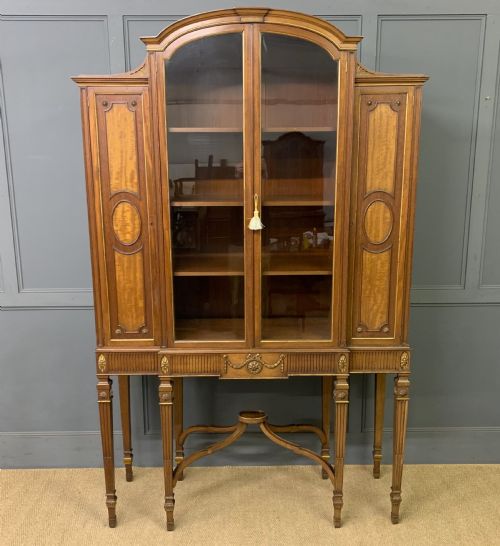
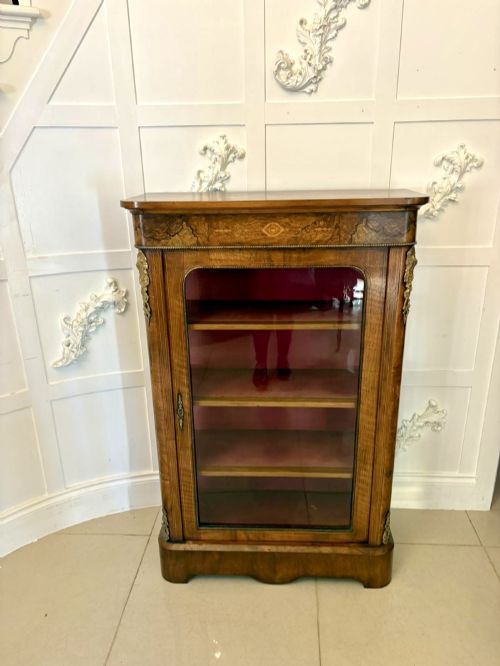
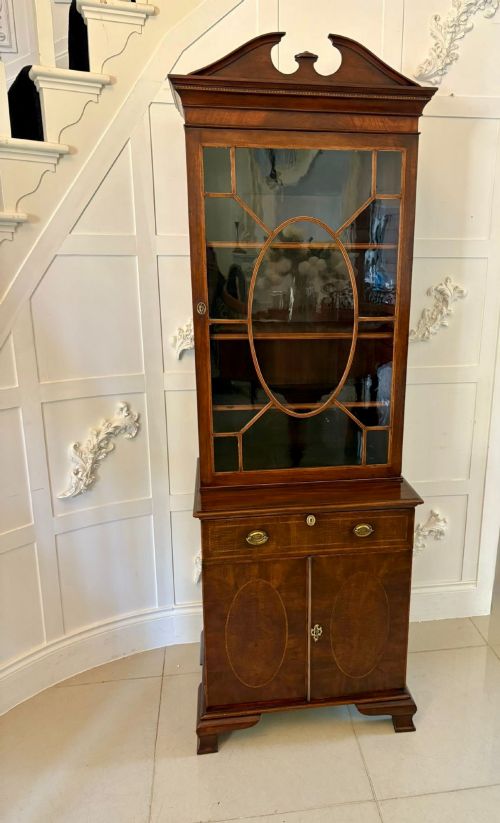
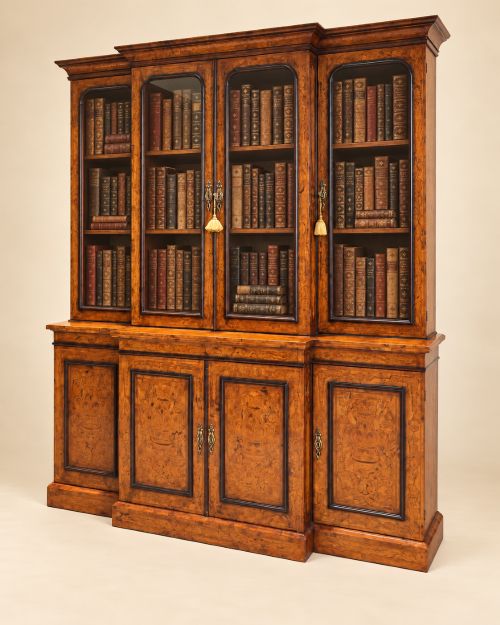
Makers utilised various formats, ranging from narrow pier cabinets and corner cupboards to expansive breakfront designs and taller bookcase over cupboard constructions.
Materials and construction
Cabinetmakers built the carcases using foundational timbers such as mahogany and walnut, frequently selecting burr veneers or rosewood to create richly grained surfaces.
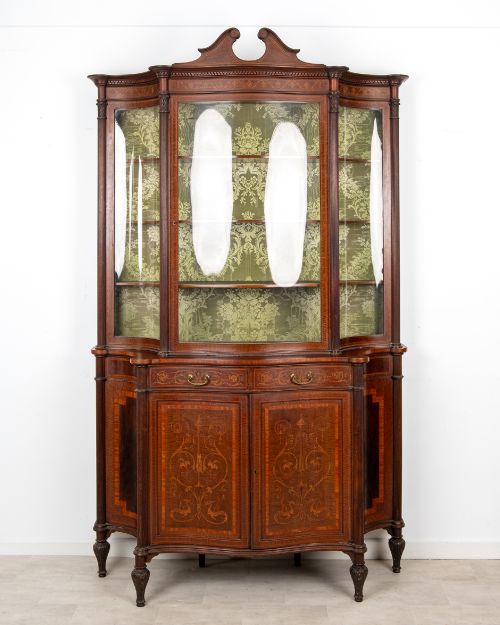
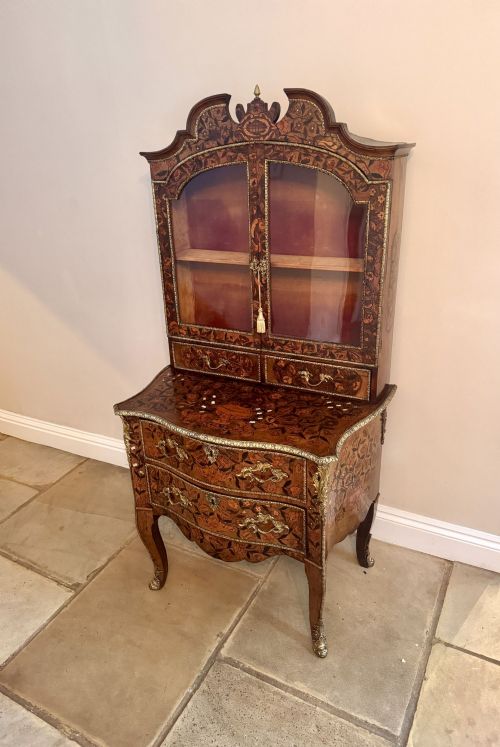
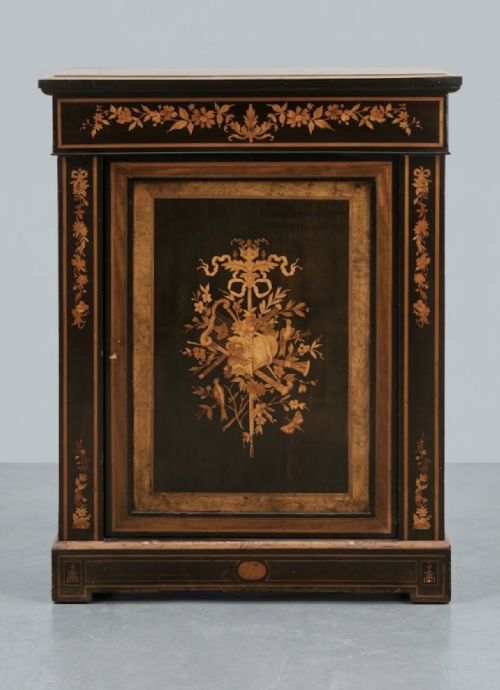
Decoration relied on contrasting lighter woods like satinwood and boxwood, applied as delicate line inlay or intricate floral marquetry across the doors and friezes.
Many specimens incorporate glazed doors to the upper display sections, whilst grander examples integrate cast or chased ormolu mounts to highlight architectural breaks and corners.
Listings feature mahogany, walnut, satinwood, and rosewood across Victorian, Edwardian, and Georgian periods.
Judging the quality
Distinctions in quality rest largely on the crispness of the marquetry work and the precision with which the satinwood and ebony stringing is embedded into the primary timber.
Finer examples distinguish themselves through superior timber selection, such as highly figured burr walnut or carefully matched mahogany grains, paired with substantial brass or ormolu hardware.
Edwards & Roberts·Maple & Co·Jewell of London
The Inlaid Cupboard Bookcase Glossary
- Marquetry
- A decorative technique where small pieces of coloured wood veneer are assembled into pictorial or geometric patterns. This inlay method defines many Edwardian and Victorian cabinet doors.
- Breakfront
- A piece of furniture where the central section projects forward from the flanking wings. This architectural arrangement creates depth and breaks up the linear profile.
- Pier cabinet
- A low freestanding cabinet designed to fit against the wall space between windows. These narrow storage pieces frequently feature glass doors for display.
- Satinwood
- A lustrous yellow timber imported from tropical regions, valued for its reflective grain. It serves as a primary material or as contrasting inlay in Sheraton Revival furniture.
- Ormolu
- Gilded bronze mounts attached to furniture for decorative accent. These metal ornaments appear on high-status Victorian and Regency pieces.
Inlaid Cupboard Bookcase: Frequently Asked Questions
How do I choose the right size?
Measure your available wall space carefully, noting both the height of your ceilings and the depth required for the lower cupboard base. Corner cabinets and slim pier formats suit compact rooms, while breakfront designs need substantial floor space.
Consider how much open display you require compared to enclosed shelving. Bookcase over cupboard formats allow you to hide bulkier items below while exhibiting books or ceramics above.
Where should I place this furniture?
Position your cabinet away from direct sunlight and strong heat sources, which can dry out timber veneers and cause warping in antique mahogany or walnut. Stable indoor humidity preserves both the wood and the delicate satinwood inlay.
Ensure the floor is level so the doors hang true and latch properly. Many taller bookcases benefit from being secured to the wall for added stability.
What periods are represented here?
The selection spans from Georgian and Regency eras through the Victorian period and into Edwardian Sheraton Revival revivals. Each period brings distinct proportions, with earlier pieces showing restrained elegance and later Edwardian cabinets often featuring lighter satinwood highlights.
Mid-to-late Victorian examples frequently employ burr walnut and ormolu mounts, reflecting a taste for heavier, highly figured decorative surfaces.
How do I care for inlaid wood?
Dust the surfaces regularly with a soft, dry cloth to prevent particulate accumulation. Avoid silicone-based polishes, opting instead for traditional beeswax applied sparingly to nourish the grain.
Take care around the inlaid stringing and marquetry borders, as aggressive cleaning can lift the fine veneers over time.