

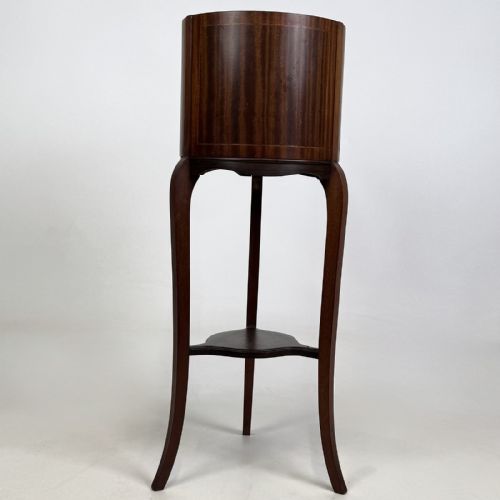
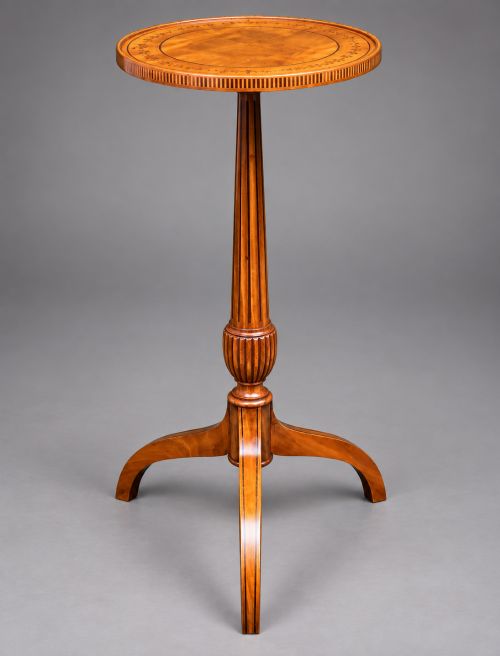
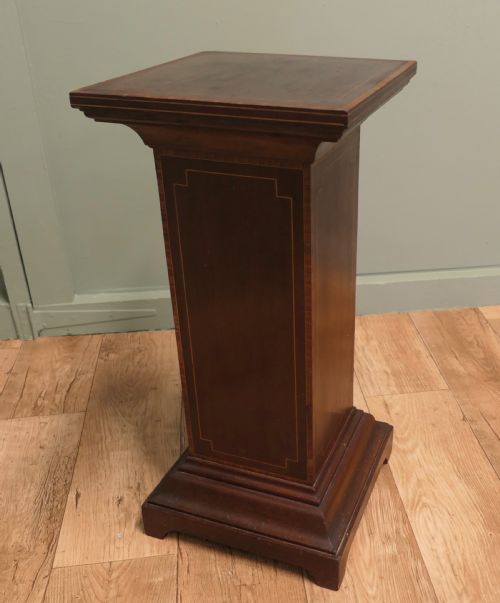
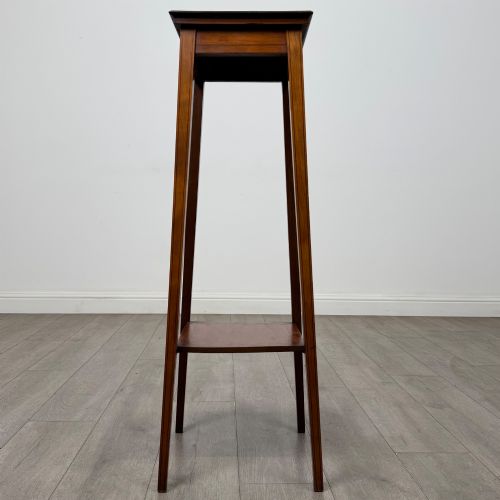


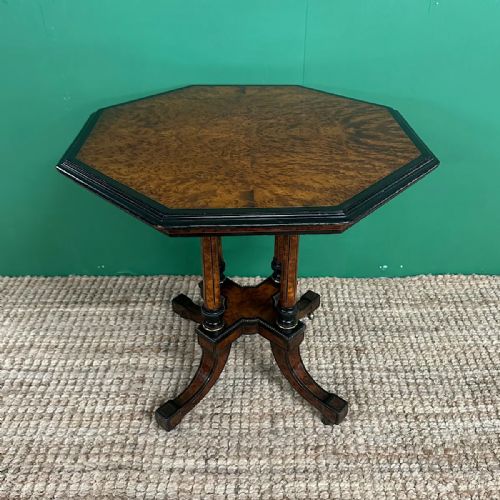
Inlaid Column Pedestal
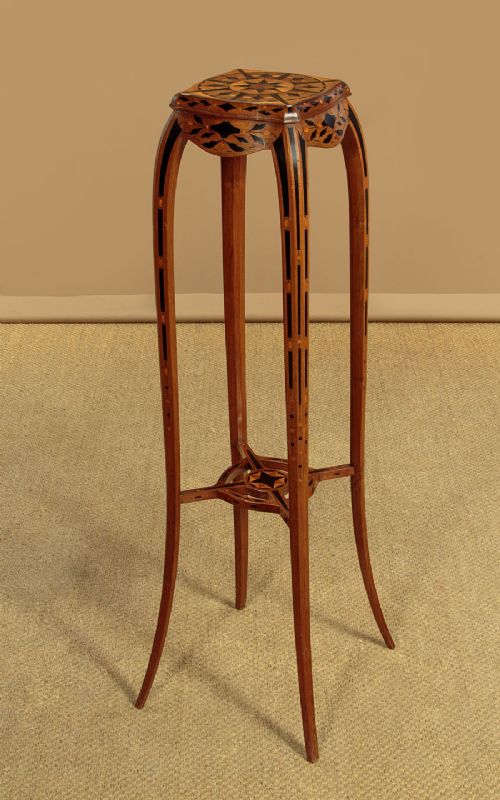
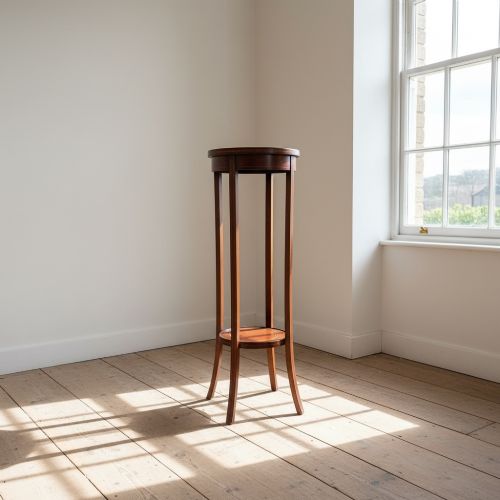
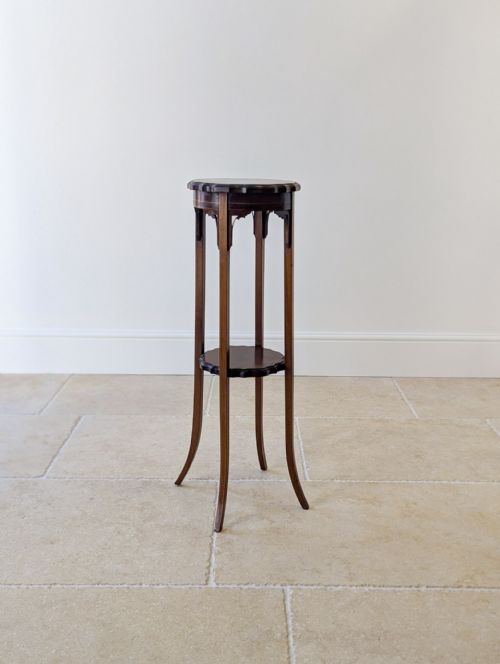
An inlaid column pedestal offers a slender structural stage for plants, urns, or lamps, combining classical form with detailed decorative woodwork.
Inlaid Column Pedestal
An inlaid column pedestal stands as a vertical focal point in a room, functioning primarily as a display surface for decorative objects, plants, and lamps. These pieces draw the eye upward and occupy minimal floor space while adding architectural interest to an interior.
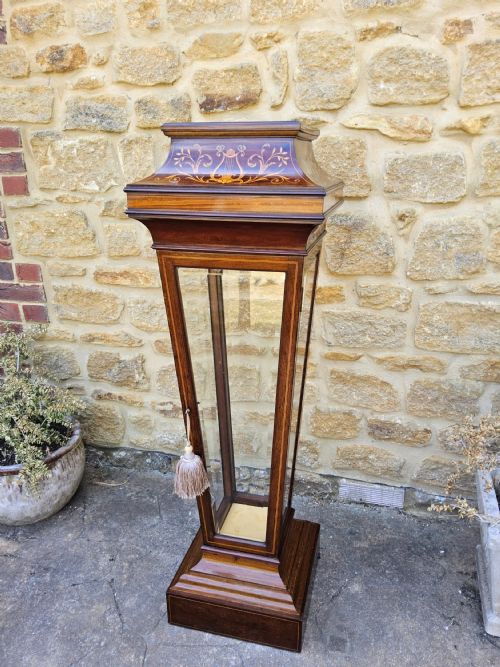
The selections available here span multiple eras, most frequently appearing in Edwardian and nineteenth-century iterations alongside Georgian and Regency examples. Forms range from dedicated plant stands and torchères to occasional tables and display cabinets.
Makers utilised various native and exotic timbers to construct these supports, incorporating contrasting boxwood inlay, marquetry, and parquetry into the tops and columns. The resulting objects serve practical purposes while showcasing intricate decorative woodworking skills.
How they were made
Craftsmen built these pieces using solid timbers and supportive secondary woods, applying fine veneers of mahogany, satinwood, walnut, rosewood, and amboyna to visible surfaces. The structural columns often required stable core construction to support heavier items placed on top without warping.
Decorative surface patterns relied on precise hand-cut inlay and stringing using boxwood and lighter woods to create geometric borders, classical motifs, and floral designs. Marquetry and parquetry techniques added pictorial scenes and mosaic patterns to table tops and display surfaces.
Inlaid Column Pedestal Retail Price Guide 2026
Typical asking prices for inlaid column pedestal among the pieces listed under this phrase on Sellingantiques today, from the lower quarter to the upper quarter. They describe what is for sale here now, not the wider market.
Listings feature woods such as mahogany, satinwood, walnut, rosewood, and amboyna, alongside boxwood inlay.
What varies in quality
The distinction between standard examples and finer pieces lies in the precision of the timber selection and the execution of the inlay work. Tighter grain matching, crisply cut boxwood stringing, and balanced proportions elevate the visual impact of the pedestal.
Structural integrity of the central column and the stability of the base dictate the physical caliber of the piece. Superior examples maintain alignment and balance without relying on excessive secondary reinforcement, ensuring the stand remains secure under weight.
The Inlaid Column Pedestal Glossary
- Inlay
- A decorative technique where pieces of contrasting material are inserted into a recessed surface to form a design. This method defines the primary ornamentation found across these tables and stands.
- Torchère
- A tall, slender stand designed specifically to hold a light source or candle. Many examples in this category share the vertical column format of pedestals.
- Marquetry
- The art of applying fitted pieces of veneer to a structure to form decorative patterns and pictures. It appears frequently on the tops of occasional tables within these listings.
- Parquetry
- A geometric mosaic of wood pieces used for decorative floors and table tops. This technique creates repeating patterns using contrasting timbers.
- Satinwood
- A durable, lustrous timber originating from tropical regions, valued for its yellow-gold colour and natural sheen. Cabinet makers utilised it extensively for contrasting panels and stringing.
Inlaid Column Pedestal: Frequently Asked Questions
What is a pedestal used for?
These pieces function primarily to elevate display items such as bronze figures, ceramic urns, lamps, and potted plants. Their vertical orientation allows them to occupy tight corners or empty wall spaces effectively.
Historically, they served to bring lighting devices or decorative arts closer to eye level in reception rooms and parlours. Today, they continue to provide functional elevation while introducing classical lines to contemporary interiors.
How do I style a column pedestal?
Placing a single tall pedestal in an entryway or hallway creates an immediate architectural focal point. Selecting objects for the top requires considering the weight and scale of the item relative to the base.
Pairing matching stands on either side of a fireplace or doorway establishes symmetry within a room. Alternatively, using an occasional table variant beside seating provides a surface for books and small lamps.
What is the difference between a torchère and a plant stand?
Torchères historically held candles or early lighting fixtures, resulting in very tall, slender shafts supported by tripod or weighted bases. Plant stands share this vertical format but typically feature moisture-resistant tops or liners.
In practice, makers and buyers often used the terms interchangeably for similar columnar furniture. The primary distinction rests on the intended surface usage rather than the underlying carpentry.
How do I identify an Edwardian pedestal?
Edwardian examples often display lighter woods like satinwood and rely on Sheraton Revival influences with delicate inlay and slender cabriole legs. These pieces typically exhibit clean lines and restrained classical ornament.
Earlier nineteenth-century versions tend toward heavier proportions and darker timbers such as mahogany and rosewood. Examining the secondary woods and construction methods helps confirm the manufacturing era.