

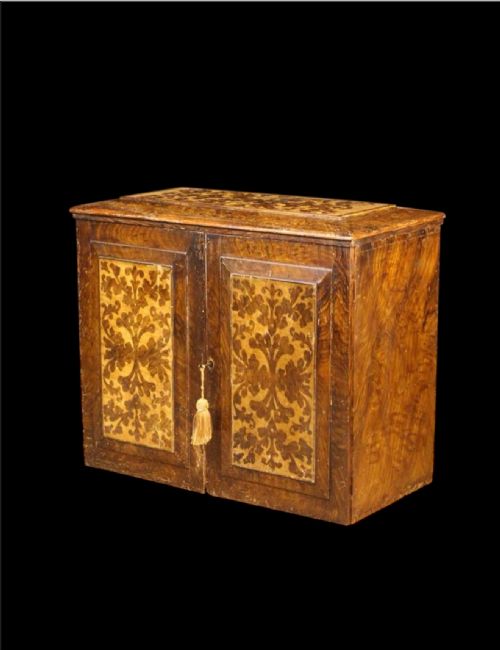


Inlaid Cabinet of Curiosity
An inlaid cabinet of curiosity is a masterclass in miniature storage and display, designed to hold and showcase your most prized keepsakes with quiet elegance.
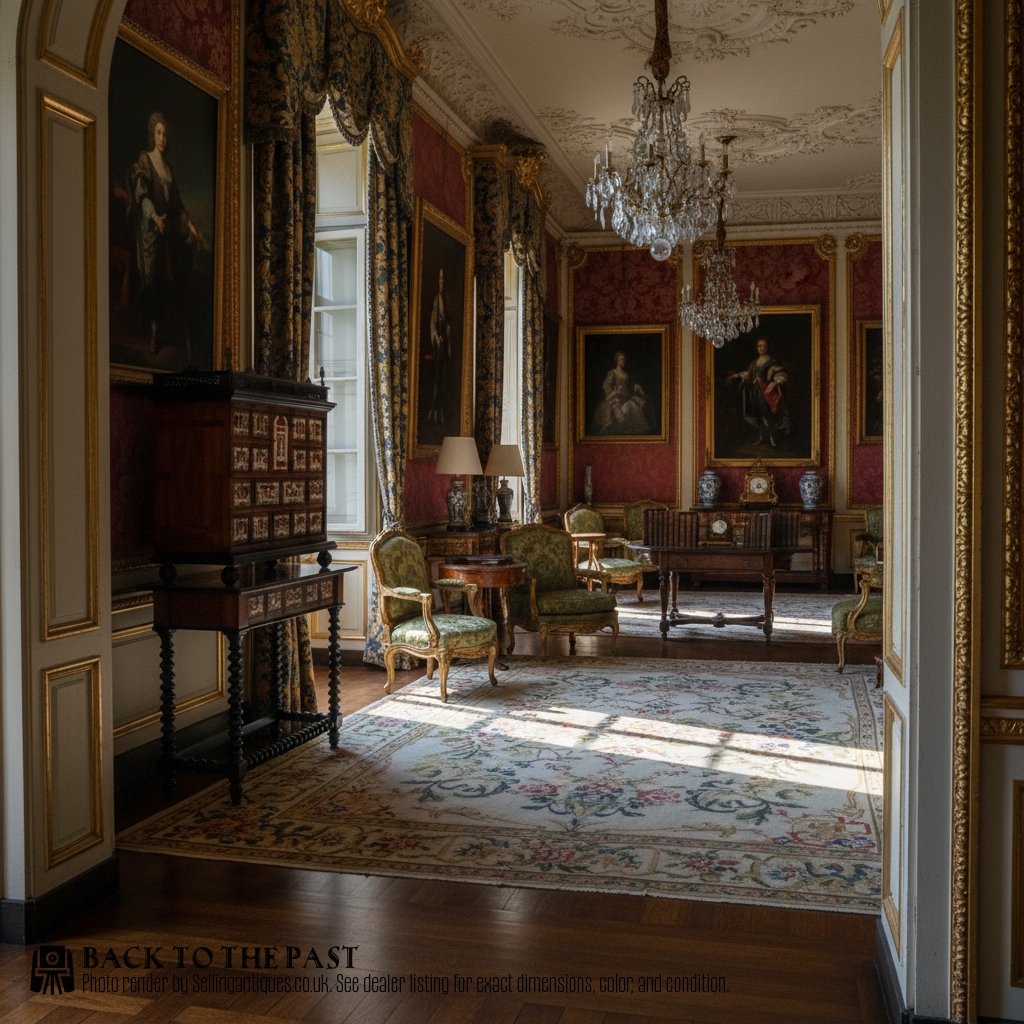
Inlaid Cabinet of Curiosity
When you search for an inlaid cabinet of curiosity, you are looking at specialised display furniture designed to hold small specimens, precious objects, and personal treasures. The selections on this page span several distinct eras, drawing from the Victorian, Edwardian, and seventeenth-century periods.
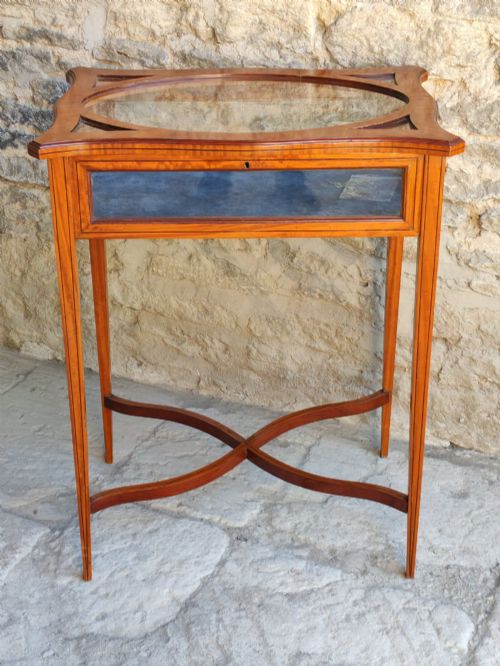
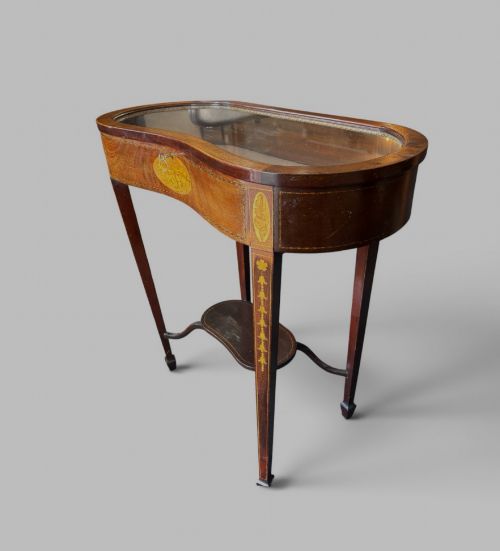
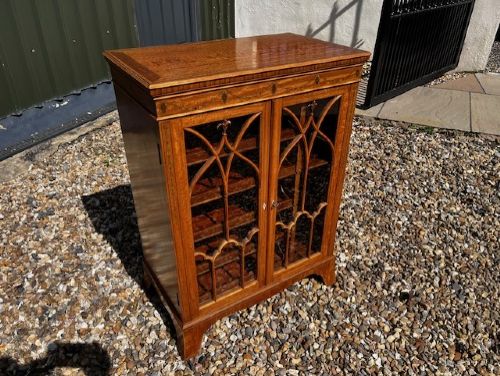
You are most likely to encounter Edwardian satinwood and mahogany bijouterie tables or display cabinets among these listings. These pieces frequently combine glazed viewing areas with delicate marquetry to showcase curiosities while keeping them protected from dust.
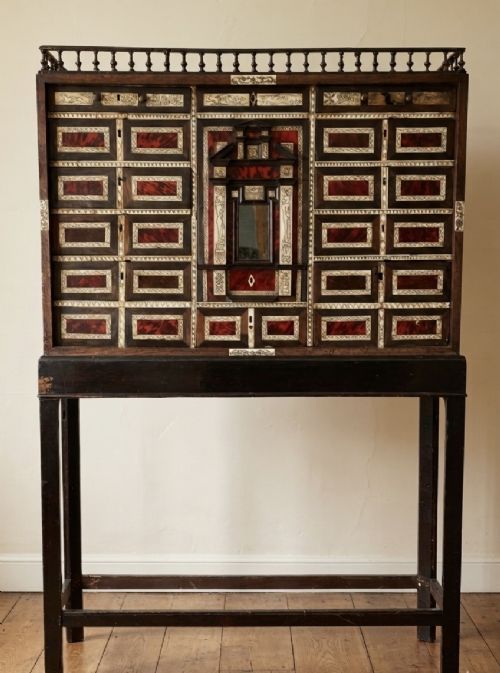
The assortment also encompasses Chinese mother-of-pearl inlaid cabinets, Portuguese baroque pieces on stands, and Flemish ebony examples decorated with bone and tortoiseshell. Each form reflects a distinct historical approach to housing and exhibiting private collections.
Materials and technique
Cabinetmakers constructed these pieces using dense foundational hardwoods such as mahogany and ebony, overlaid with lighter decorative timbers like satinwood. Marquetry and mother-of-pearl inlay techniques were employed to create intricate surface patterns across the panels and tabletops.
Glass was integrated into doors and hinged display lids to allow ambient light to illuminate the interior contents. Specialised brass hinges, locks, and handles secure the compartments while framing the woodwork.
The listings span from the 17th Century to the Edwardian period, utilising mahogany, satinwood, tortoiseshell, bone, and glass.
What separates the grades
The distinction between standard examples and exceptional pieces lies in the precision and complexity of the marquetry and inlay work. Elaborate multi-wood pictorial designs require significant skill compared to simple geometric stringing.
The choice of primary and secondary timbers also dictates quality, with finely figured satinwood and heavy tropical hardwoods marking out superior construction. Intricate metalwork details and well-balanced proportions further separate routine workshop production from master craftsmanship.
The Inlaid Cabinet of Curiosity Glossary
- Bijouterie table
- A glass-topped display table specifically designed for small ornaments, jewels, and curiosities. These tables usually feature a hinged lid to allow easy access to the lined interior.
- Marquetry
- The art of applying decorative veneer pieces in wood, bone, or shell to a structure to form intricate patterns or pictures. This technique defines much of the surface decoration on Edwardian and Victorian display furniture.
- Cabinet on stand
- A freestanding storage cabinet elevated on a distinct supporting framework or base. This form lifts the main display body to eye level for easier viewing of the contents.
- Vitrine
- A glass display cabinet used for protecting and exhibiting porcelain, curiosities, and fine objects. The term derives from the French word for glass.
- Stringing
- A narrow strip of contrasting wood inlay used to outline drawers, tabletops, and cabinet doors. It provides a crisp linear border that enhances the primary timber.
Inlaid Cabinet of Curiosity: Frequently Asked Questions
What went inside a cabinet of curiosity?
These cabinets traditionally held natural history specimens, ancient artefacts, small sculptures, and unusual personal souvenirs collected from travels.
Owners curated these miniature collections to display their intellectual curiosity and worldly interests to visitors.
How do I date an inlaid display table?
Dating relies on identifying the primary wood species, the style of inlay work, and the construction methods used in the frame. Edwardian pieces often feature lighter satinwood marquetry, while nineteenth-century versions lean toward heavier mahogany.
Examining the hardware, such as brass hinges and locks, also provides reliable clues to the period of manufacture.
Are bijouterie tables secure for display?
Most bijouterie tables feature glazed lift-up lids equipped with small working locks to protect the contents. The interior wells are typically lined with fabric to cushion delicate objects while on view.
They are well-suited for everyday interior placement as long as they are kept away from direct sunlight and excessive moisture.
How do I care for antique satinwood?
Satinwood requires gentle dusting with a soft, dry cloth to prevent surface scratching and to preserve the natural sheen of the timber. Avoid using modern aerosol polishes or harsh chemical cleaners that can degrade antique finishes.
Keeping the furniture away from direct heat sources prevents the wood from drying out and cracking.