





Inlaid Bone Cabinet
An inlaid bone cabinet brings geometric intricacy and rich contrast to a room through centuries-old decorative traditions.
Inlaid Bone Cabinet
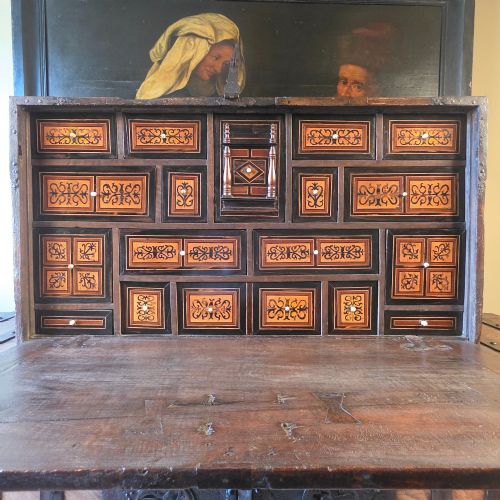
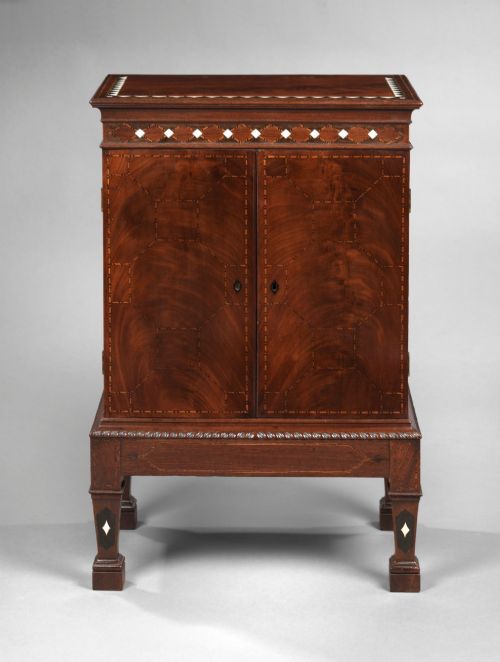
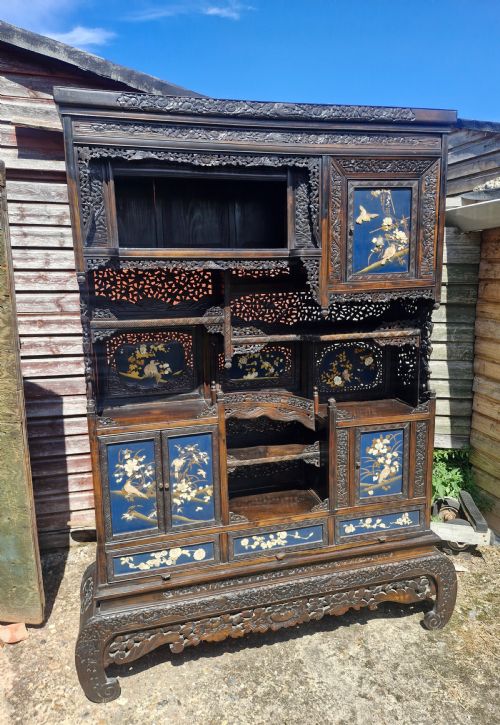
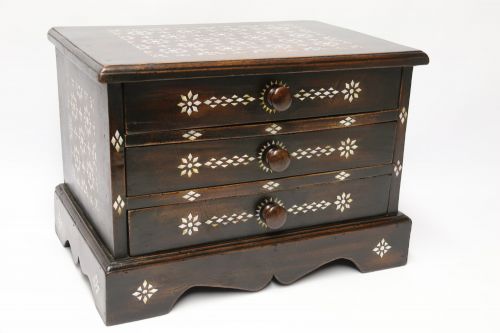
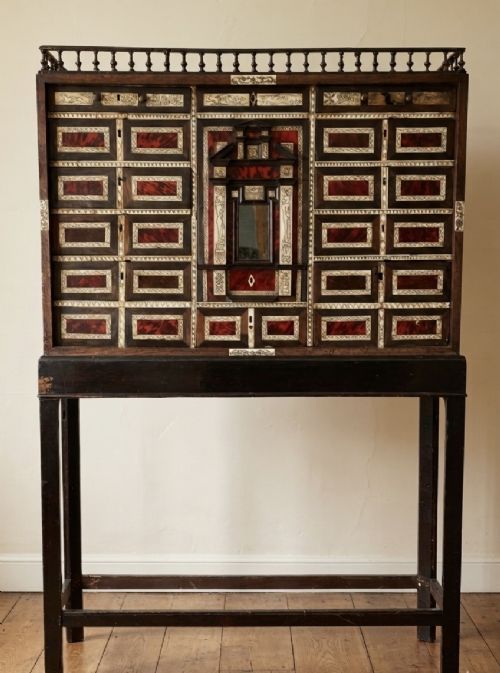
An inlaid bone cabinet is a storage piece ornamented with precisely shaped pieces of bone set into wooden surfaces. When searching for an inlaid bone cabinet, buyers encounter diverse forms ranging from seventeenth-century table cabinets and vargueños to nineteenth-century Moorish Revival and Anglo-Indian chests. These pieces function as focal points, offering intricate patterns that draw the eye.
The objects span multiple centuries, with seventeenth-century examples featuring ebony, tortoiseshell, and bone, alongside later nineteenth-century interpretations displaying Syrian, Portuguese, and Ottoman influences. Common forms include side tables with cupboards, collector chests, and cabinets on stands. Each variation reflects the regional craftsmanship of its period of origin.
How they were made
The construction of these pieces relies on dense hardwoods such as walnut, ebony, fruitwood, and mahogany as foundational carcases. Artisans channelled these timber surfaces to receive tiny, hand-cut fragments of bone, often securing them with animal glue.
Makers integrated contrasting materials alongside bone, including tortoiseshell, abalone, mother of pearl, and brass wire. Surface decoration frequently involved elaborate geometric tessellation, botanical motifs, and architectural perspective work.
One seventeenth-century table cabinet comes with a firm date of 1613, proving that ancient secrets sometimes travel with a calendar attached.
What varies in quality
Quality in these pieces depends upon the precision of the bone tessellation and the integrity of the underlying timber structure. Tighter joints and more complex geometric arrangements indicate superior workshop output.
The choice of secondary woods and the preservation of original contrasting materials, such as ebony and tortoiseshell, distinguish finer examples. The complexity of the cabinet form, from simple boxes to elaborate stands with multiple drawers, also marks differences in execution.
Gordovil Spain·Adriano Brambilla
The Inlaid Bone Cabinet Glossary
- Bone inlay
- A technique where small pieces of animal bone are shaped and embedded into wooden carcases to create decorative surface patterns. This method produces high-contrast geometric and floral designs.
- Vargueño
- A specific form of Spanish cabinet featuring a drop-front writing flap and numerous internal drawers. They often rest on trestle stands and display elaborate exterior ornamentation.
- Cabinet on stand
- A cabinet designed to sit upon a separate supporting frame or table base. This elevation highlights the decorative work of the main storage section.
- Moorish Revival
- An architectural and decorative style popular in the nineteenth century that incorporates Islamic design elements. Pieces in this taste utilise complex geometric bone and mother of pearl inlay.
- Apothecary box
- A small compartmentalised chest originally used for storing medicines and medicinal ingredients. These boxes often feature secure locks and multiple small drawers.
Inlaid Bone Cabinet: Frequently Asked Questions
Where should I place an inlaid bone cabinet?
These cabinets suit quiet spaces where their intricate surface detail can be appreciated without visual competition. Placing them away from direct sunlight and heat sources protects both the timber and the bone inlay.
They function well on sturdy side tables or dedicated stands, allowing adequate clearance to open drop-fronts or cabinet doors safely.
How do I clean an inlaid bone cabinet?
Dusting requires only a soft, dry, lint-free cloth used gently across the patterned surfaces. Avoid liquid cleaners, silicone polishes, or harsh chemicals that can discolour the bone or loosen the adhesive.
Maintain stable indoor humidity levels to prevent the wood from expanding or contracting, which can cause the small bone tesserae to lift from their channels.
How do I distinguish a seventeenth-century cabinet?
Seventeenth-century pieces typically feature heavy carcases of walnut or ebony combined with dense bone work, often including tortoiseshell panels. Their construction methods involve hand-cut joinery and historic animal glues.
Later nineteenth-century revivals frequently imitate these earlier forms but utilise different secondary woods and mechanical fastenings consistent with industrial-era production.
What is the difference between a vargueño and a standard chest?
A vargueño incorporates a distinctive drop-front lid that opens to reveal an architectural arrangement of small drawers and compartments. Standard chests and cupboards rely on traditional side-hung doors or lifting lids.
The vargueño is also historically designed to sit upon a removable or integrated wooden stand, whereas many chests function as tabletop objects.