

Inlaid Bookshelf
An inlaid bookshelf brings structured storage and fine woodwork together, offering a dedicated place for volumes while adding decorative detail to a room.
Inlaid Bookshelf
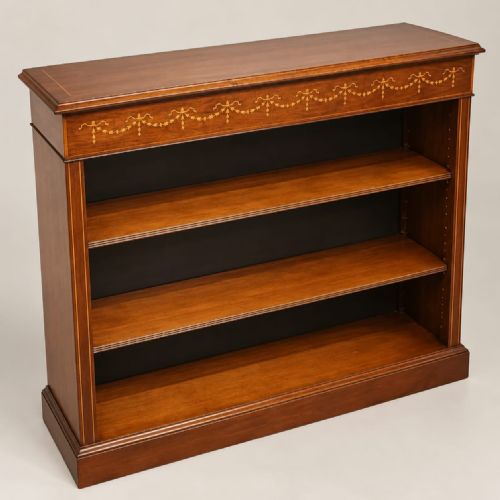
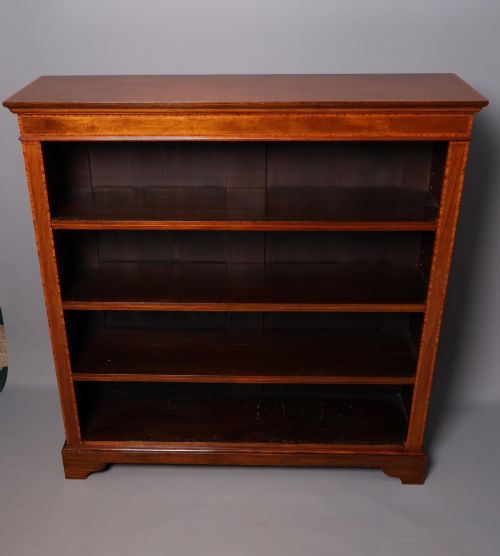
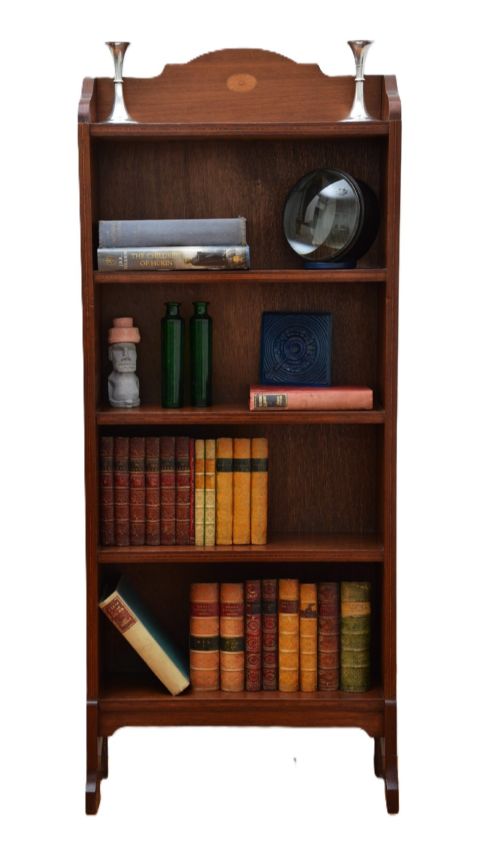
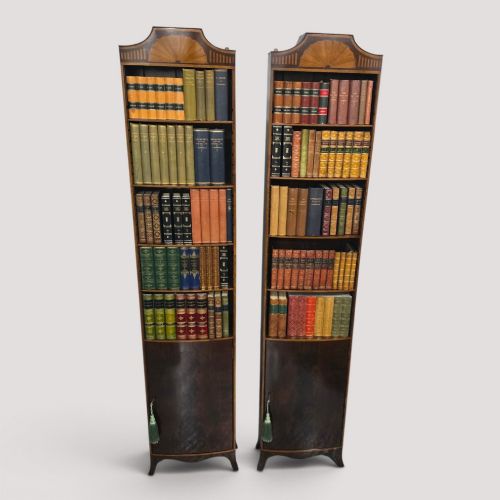
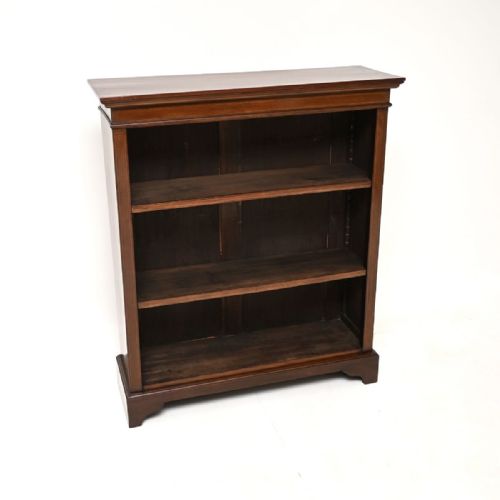
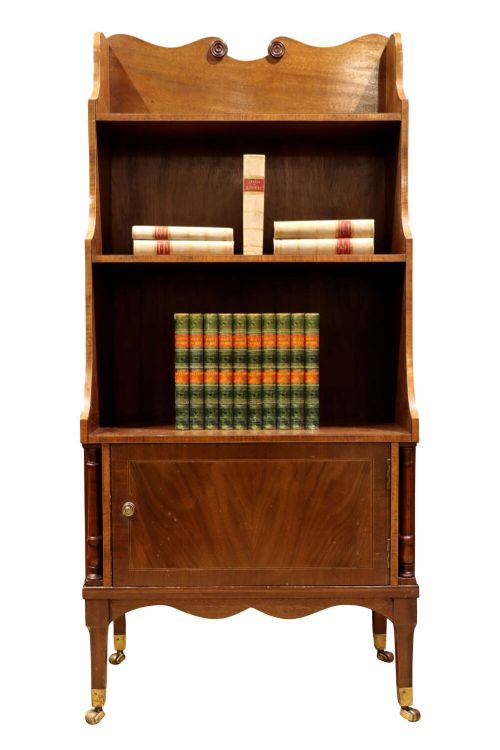
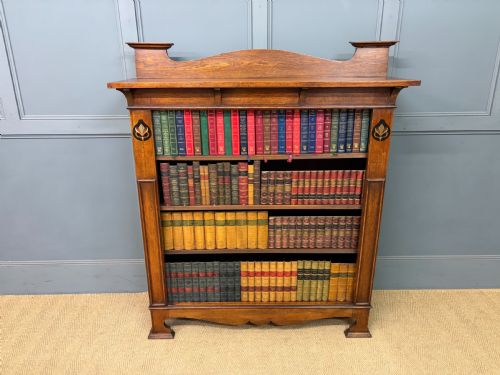
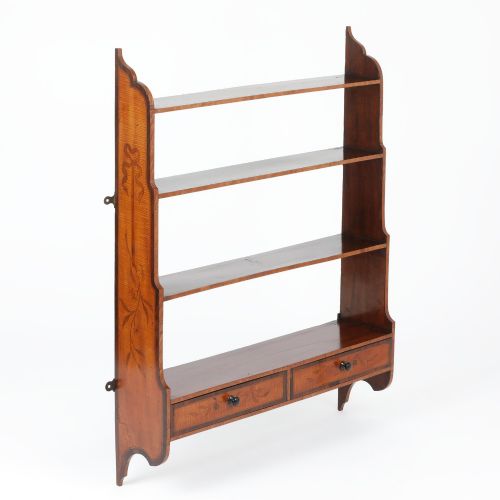
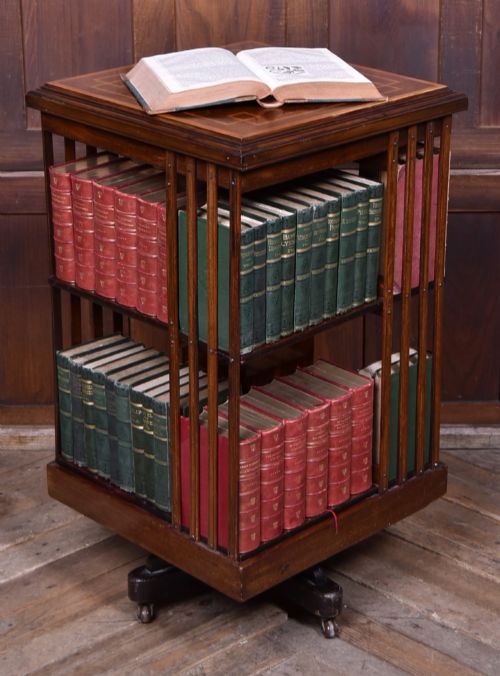
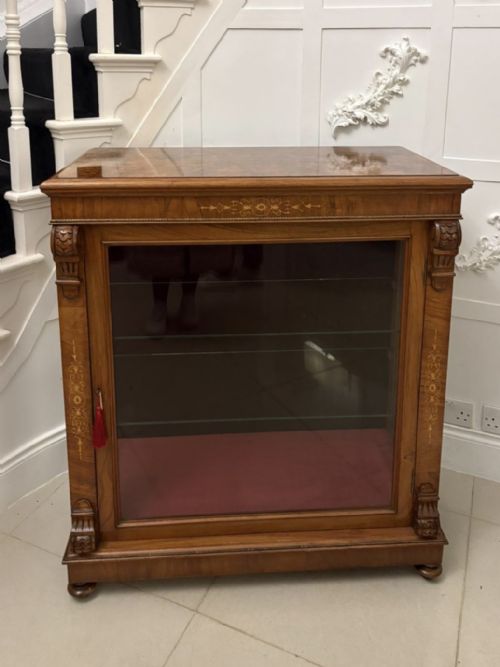
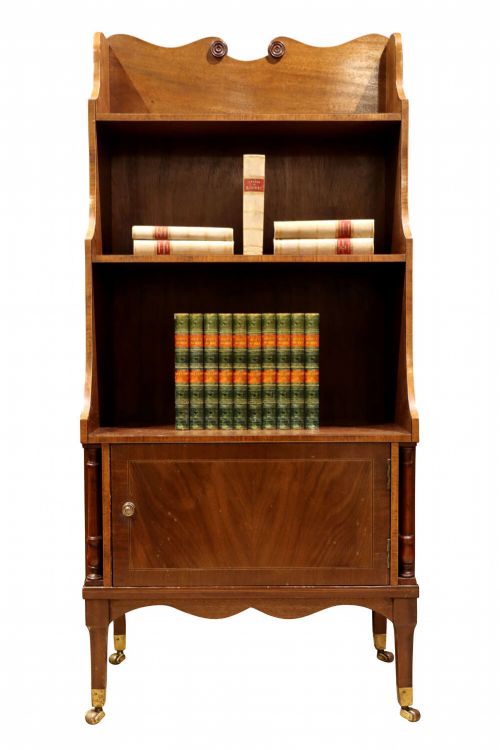
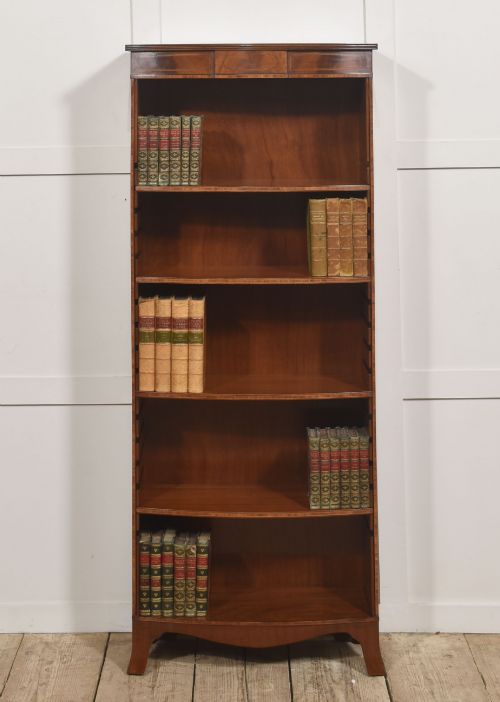
An inlaid bookshelf primarily appears in Edwardian and Victorian variations, spanning open shelves, revolving desk models, and wall-hung waterfall units. These pieces range from compact tabletop book slides and corner cabinets to tall breakfront display furniture designed for domestic studies and libraries.
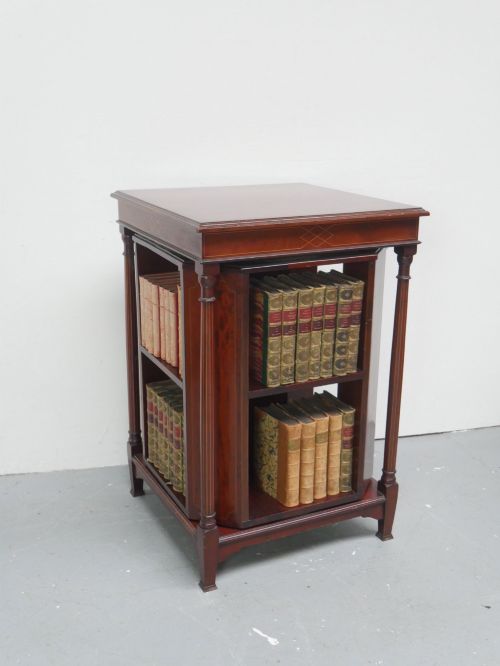
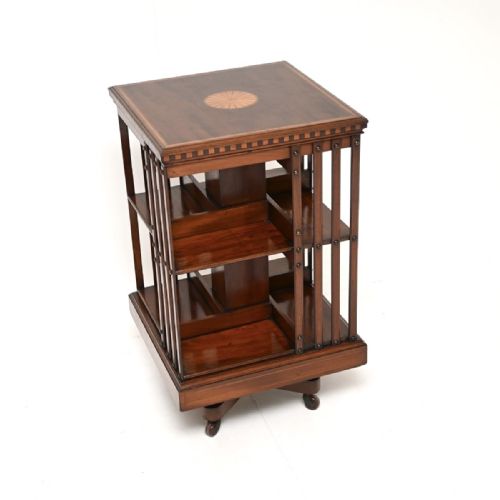
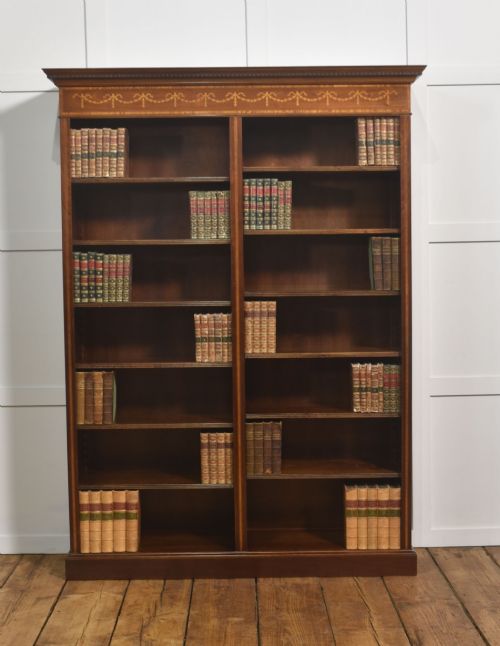
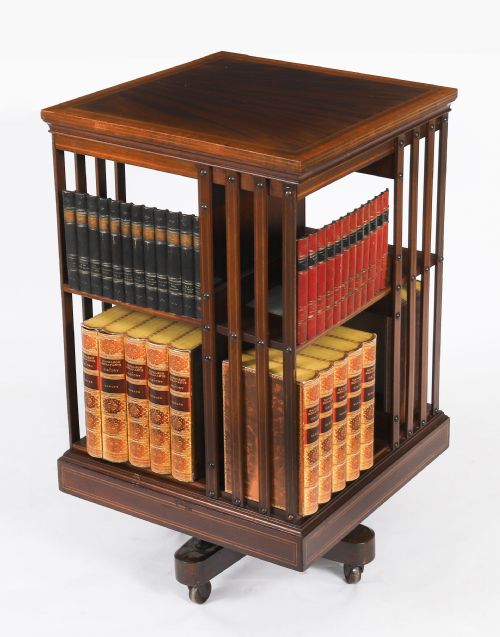
The most common form met here is the Edwardian mahogany open bookcase, frequently decorated with contrasting satinwood or boxwood details. Collectors also encounter revolving versions on castors, alongside specialised formats such as hanging shelves and glazed cabinet combinations.
Craftsmanship and Proportion
The refinement of the timber selection and the crispness of the inlay define the upper tier of these pieces. Finely figured flame mahogany paired with delicate, perfectly fitted boxwood and satinwood stringing separates superior examples from plainer utility items.
Structural integrity and hardware quality also mark the division, seen in smoothly operating revolving mechanisms, sturdy bracket feet, and original brass castors. Proportion and balance in smaller items, such as table top bookstands, indicate the maker's underlying skill.
Inlaid Bookshelf Retail Price Guide 2026
Typical asking prices for inlaid bookshelf among the pieces listed under this phrase on Sellingantiques today, from the lower quarter to the upper quarter. They describe what is for sale here now, not the wider market.
Revolving bookcases let you reach a dozen different novels without moving your feet an inch.
Maple and Co·Edwards and Roberts
The Inlaid Bookshelf Glossary
- Inlay
- A technique where pieces of contrasting wood or other materials are inserted into depressions in the base wood to form a decorative design.
- Waterfall bookcase
- A set of open shelves stepped back progressively from bottom to top, often featuring a small cupboard or back panel.
- Revolving bookcase
- A low, square bookcase mounted on a hidden rotating base or pedestal, allowing access to books from all four sides.
- Stringing
- A narrow strip of contrasting timber inlaid flush into the surface to outline panels, drawers, or shelves.
- Marquetry
- Elaborate decorative veneer work assembled in patterns using various wood types to create pictorial or geometric designs.
Inlaid Bookshelf: Frequently Asked Questions
Where should I place an inlaid bookshelf?
These pieces suit living rooms, studies, or hallways where their decorative woodwork is visible. Open formats work well against walls for easy book access, while revolving versions fit effectively beside armchairs or desks.
Position them away from direct sunlight and heat sources to protect polished mahogany and delicate satinwood inlay from fading or drying out.
How do I care for polished mahogany?
Maintain the timber surfaces by dusting gently with a dry, soft cloth. Avoid silicone-based polishes, which can build up a cloudy residue over time.
Apply a quality beeswax occasionally to nourish the wood and preserve the subtle sheen on both the main structure and the inlaid details.
How do I distinguish Edwardian from Victorian pieces?
Victorian examples generally feature heavier proportions, darker finishes, and sometimes ebonised or coromandel woods. The carving and applied ornament tend to be robust and substantial.
Edwardian pieces often display lighter mahogany frames, delicate satinwood or boxwood stringing, and a more restrained aesthetic geared towards refined domestic spaces.
Can revolving bookcases hold heavy books?
Revolving models handle standard octavo volumes and novels comfortably across their compartments. Distribute the weight evenly around all sides to ensure the internal mechanism turns smoothly.
Avoid placing excessively heavy art folios or encyclopaedias on revolving tiers, as uneven loading strains the rotating pivot.