


Ink and Wash Artwork
Ink and wash artwork captures swift line and fluid tone, ranging from eighteenth-century topographical sketches to mid-twentieth-century townscapes framed for the wall.
Ink and Wash Artwork
Ink and wash artwork encompasses original drawings and paintings executed on paper, spanning periods from the eighteenth century through to later twentieth-century pieces.
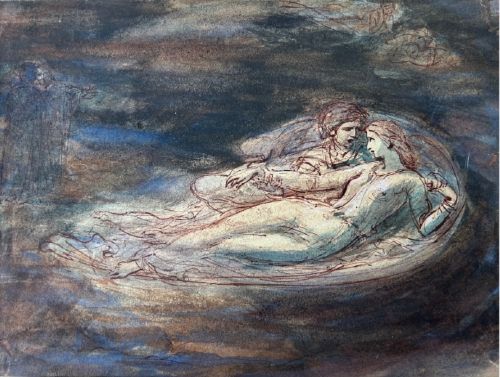
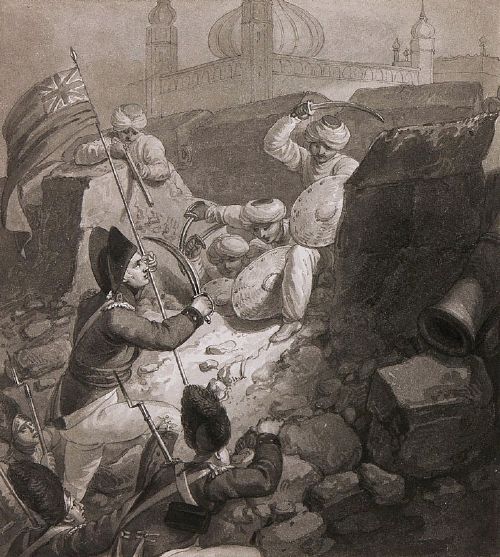
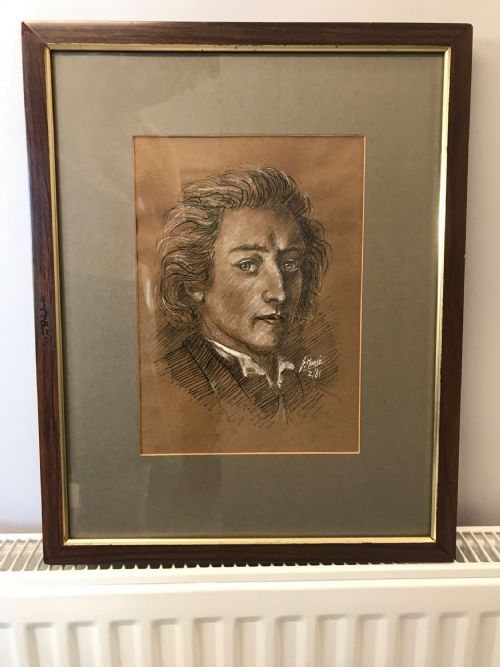
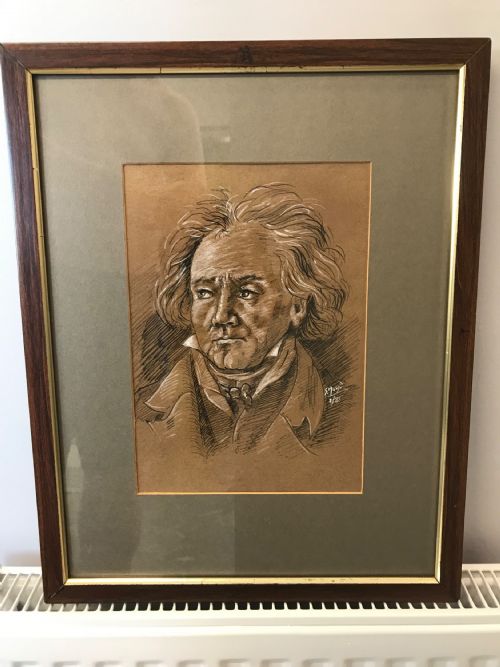
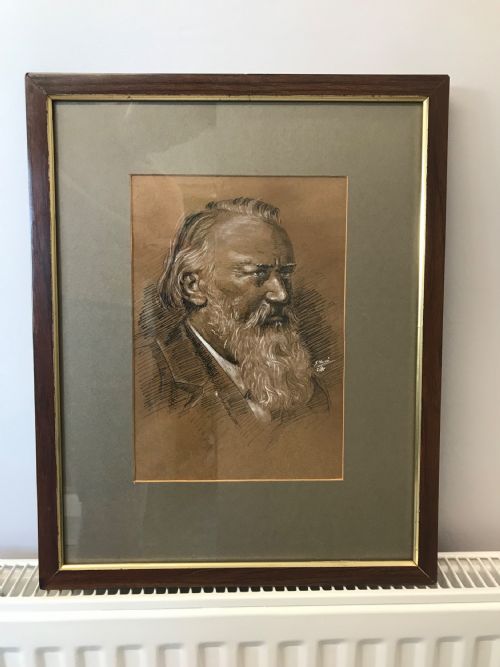
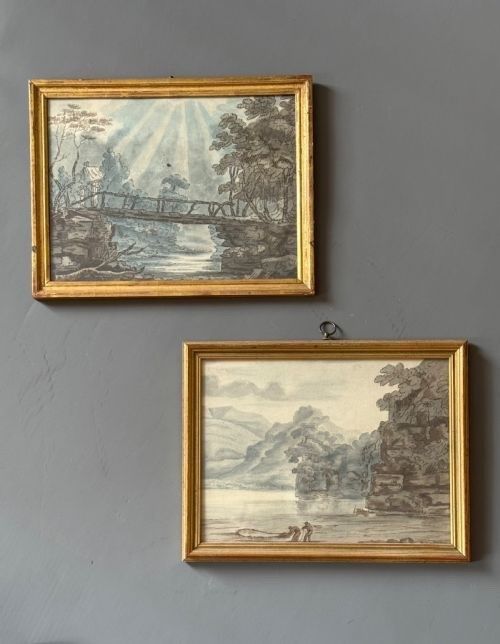
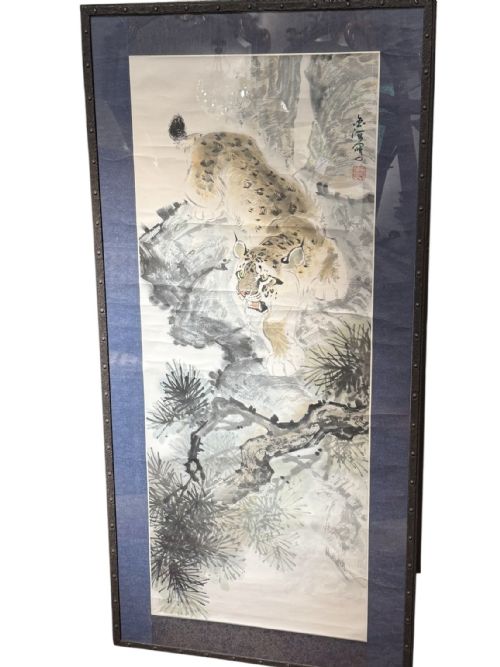
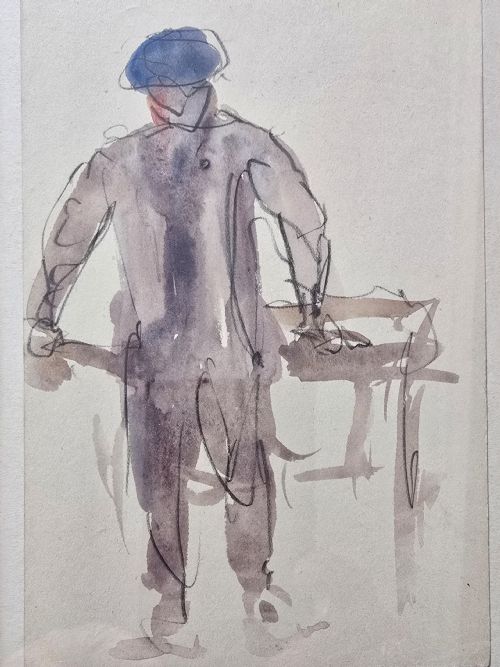
Buyers encountering this selection will find framed watercolours, pen sketches, and Chinese scrolls depicting landscapes, architectural studies, and portraits.
The material record includes works labelled under Georgian, Early Victorian, and twentieth-century British or Chinese styles, reflecting diverse regional hands.
Assessing Quality
Quality rests in the surety of the draughtsmanship and the control of the wash, where confident line work balances with tonal transparency.
The distinction between standard decorative items and superior works lies in the expressive vitality of the brush or pen, and the preservation of the paper surface over centuries.
Mediums documented in the listings include sepia ink, gouache, and watercolour applied across varied paper surfaces.
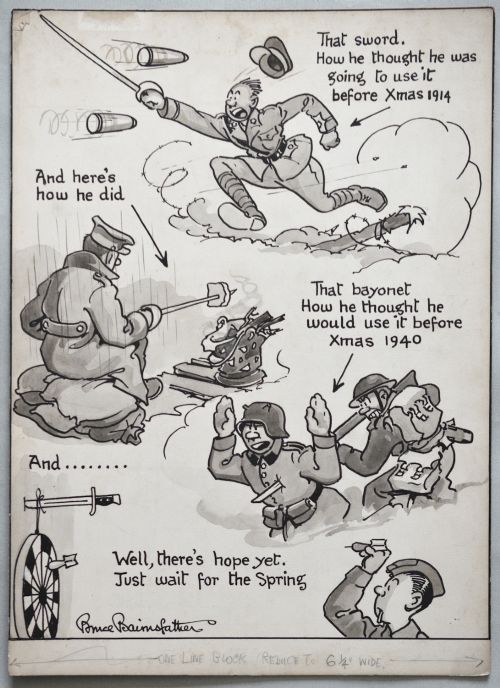
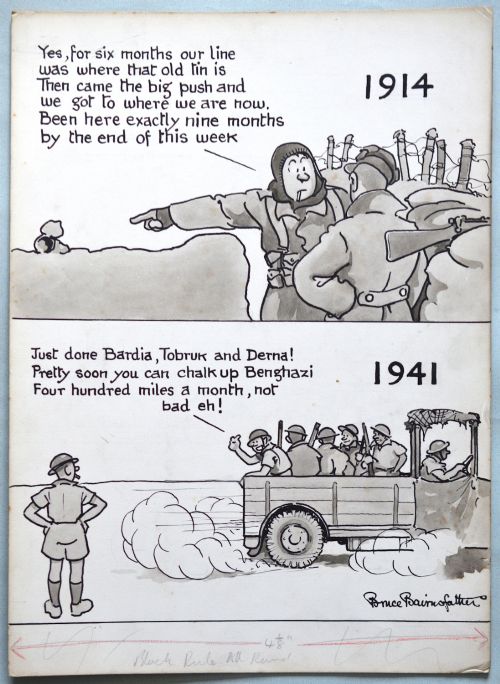
Bruce Bairnsfather·William Marshall Craig·Edward Dayes·Thomas Rowlandson·Pio Panfili·Fred Lawson·Peter Tillemans·Thomas Lound
The Ink and Wash Artwork Glossary
- Wash
- A thin, transparent layer of diluted ink or watercolour applied to paper to create shadows and tonal depth.
- Gouache
- An opaque watercolour medium containing a white pigment filler, used to add solid highlights and body to ink drawings.
- Sepia
- A brown pigment derived from the cuttlefish, frequently utilised for monochrome ink and wash drawings during the eighteenth and nineteenth centuries.
- Scroll
- A length of paper or silk mounted for rolling, common in traditional Chinese painting formats.
Ink and Wash Artwork: Frequently Asked Questions
How do I care for framed paper artwork?
Keep works away from direct sunlight to prevent the fading of delicate ink lines and watercolour washes.
Ensure framing uses acid-free materials to protect the paper from yellowing or degradation over time.
What is the difference between ink and wash and a pure watercolour?
Ink and wash relies primarily on linear pen work to define the subject, with fluid tones applied afterward for shading.
Pure watercolour builds form and colour through pigment application alone, minimising or omitting distinct ink outlines.
How can I tell an eighteenth-century drawing from a later copy?
Examine the paper quality, watermark where visible, and the oxidation of the ink to gauge genuine age.
Period framing and handling marks often corroborate the timeframe indicated by the style of the work.
Where were these pieces typically displayed?
Earlier topographical and landscape studies were often kept in portfolios by collectors before later being framed for domestic display.
Portrait drawings and townscapes traditionally hung in studies, parlours, or drawing rooms of period residences.