




Industrial Shelving Rack
These industrial shelving rack pieces bring utilitarian utility and robust character into modern rooms, offering practical vertical storage built from honest timber and heavy metal.
Industrial Shelving Rack
An industrial shelving rack comprises robust storage units, bakers racks, and display stands originating from the nineteenth and early twentieth centuries. These sturdy frameworks served busy commercial kitchens, shops, and workshops before finding a second life in contemporary homes.
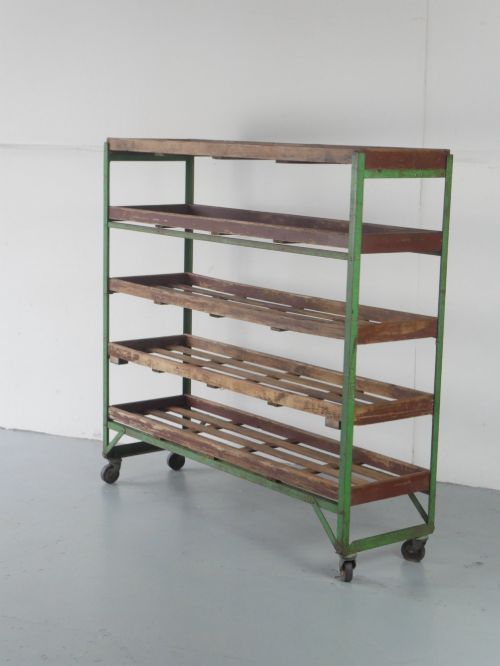
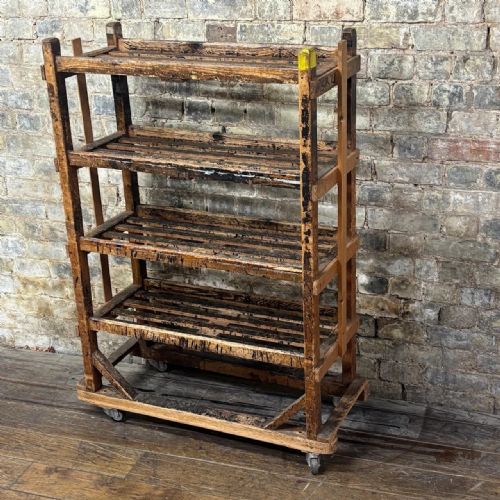
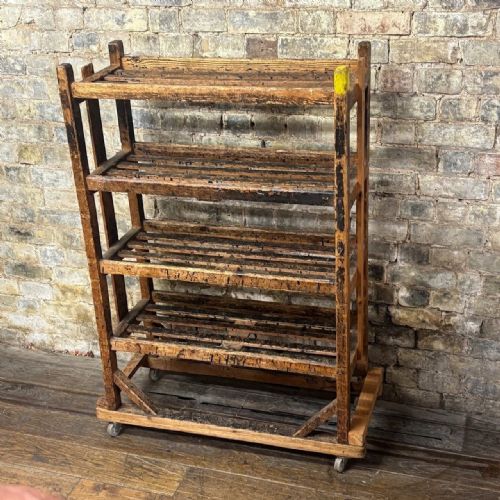
The assortment on this page leans heavily towards French and English origins, showcasing French industrial styles alongside Victorian pieces. Buyers frequently encounter baker racks, patisserie racks, and wooden shoe trolleys built for demanding environments.
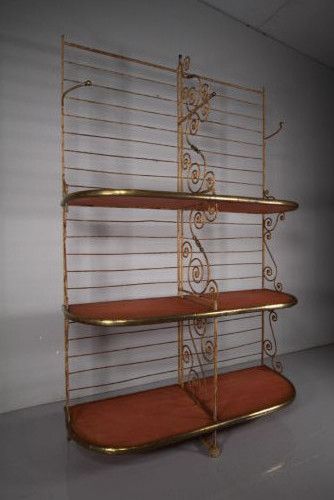
Forms range from tall iron baker units to pine pigeon hole cabinets and slate shelving. Each piece demonstrates the heavy-duty engineering required for nineteenth-century trades, utilising practical tiers designed for maximum storage.
Materials and Construction
Makers built these pieces using durable combinations of wrought iron, cast iron, steel, and brass paired with pine or slate. Metal frameworks provided structural rigidity, while timber shelves and slate surfaces handled heavy daily use in bakeries and shops.
Construction techniques prioritized function and longevity, utilising riveted joints, scroll-work iron, and stamped metal components. Painted steel finishes and distressed patinas developed naturally through decades of commercial employment.
Industrial Shelving Rack Retail Price Guide 2026
Typical asking prices for industrial shelving rack among the pieces listed under this phrase on Sellingantiques today, from the lower quarter to the upper quarter. They describe what is for sale here now, not the wider market.
Shoe trolleys once rattled down factory aisles carrying footwear before retiring to hold your collection of oversized art books.
Evaluating Quality
Quality rests upon the integrity of the original metal frame and the character of the timber or slate shelves. Finer examples display maker stamps, sophisticated scroll-work, and heavy gauge iron that survived rigorous commercial service.
The best pieces retain their original surface patinas, undisturbed structural hardware, and authentic factory markings. Poorer examples suffer from mismatched replacement timber or compromised frames that lack the weight of genuine period items.
Dubois of Lyon
The Industrial Shelving Rack Glossary
- Baker's Rack
- A heavy metal and wooden shelving unit originally utilised in European bakeries for cooling bread and pastries. These pieces feature multiple tiers of open shelving.
- Pigeon Holes
- A compartmented wooden storage unit featuring numerous small square or rectangular cubbies. They were traditionally used in offices and shops for sorting mail, documents, or small goods.
- Shop Display Stand
- A specialised shelving structure designed to showcase merchandise to customers in a retail environment. They combine decorative ironwork with practical display surfaces.
- Field Kitchen Dresser
- A portable or robust metal storage unit used for food preparation and storage in institutional or military settings. They typically incorporate draining surfaces and sturdy framework.
- Shoe Trolley
- A specialised industrial rack fitted with wheels or castors designed to transport footwear through manufacturing facilities. They feature narrow wooden slats arranged in tiers.
Industrial Shelving Rack: Frequently Asked Questions
What are industrial shelving racks?
These pieces are heavy-duty storage furniture originating from nineteenth and early twentieth-century commercial spaces. They include baker racks, shop display stands, and wooden shoe trolleys built for demanding trades.
Built from robust materials like iron, steel, pine, and slate, they offer open vertical storage with distinct utilitarian character. Their sturdy construction makes them ideal for organising modern living spaces.
Where were baker racks used?
Baker racks originated in European patisseries and boulangeries during the nineteenth century. Bakers used the open metal and wood tiers to cool freshly baked bread and pastries.
Over time, their practical design and durable metal frames transitioned from commercial kitchens into domestic interiors. Today, they serve as versatile kitchen storage and display furniture.
How do I clean industrial metal furniture?
Maintain metal and wood surfaces by dusting gently with a dry or slightly damp cloth. Avoid harsh chemical cleaners that might strip the historic patina and original painted finishes.
Preserve the aged character of wrought iron and cast iron by applying occasional light wax or neutral oils if necessary. Keeping the pieces in stable indoor environments prevents excess moisture accumulation.
How do I date a baker rack?
Dating relies on examining the manufacturing techniques, materials, and any present maker stamps or foundry marks. Nineteenth-century pieces often feature hand-forged scroll-work and heavy cast iron elements.
Early twentieth-century examples typically incorporate rolled steel, simpler industrial framing, and standardised hardware. Comparing the structural joinery to documented period pieces helps establish the precise era.