
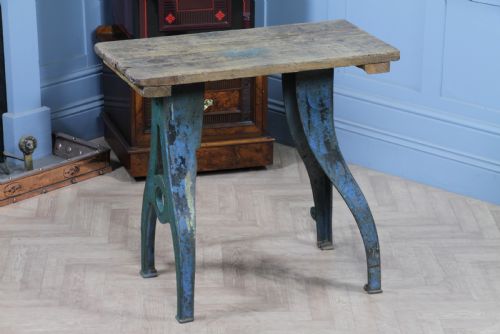


Industrial Iron Console
An industrial iron console brings robust metalwork and utilitarian character straight into a hallway, combining heavy workshop utility with domestic style.
Industrial Iron Console
These tables draw their design from nineteenth-century workshops, factories, and commercial spaces, repurposing heavy metal bases for domestic use. The industrial iron console represents a robust intersection of utilitarian engineering and interior styling.
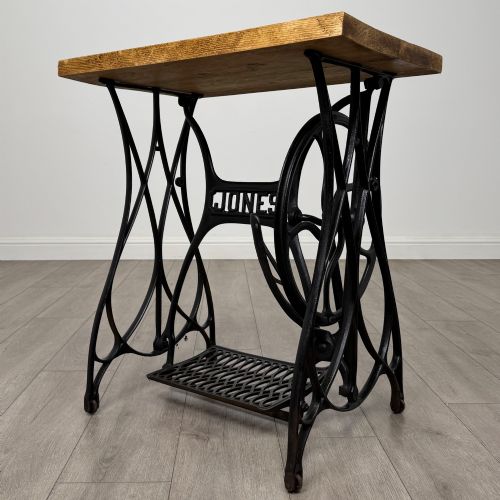
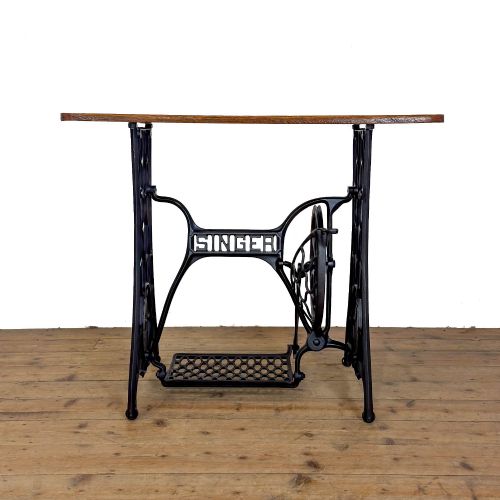
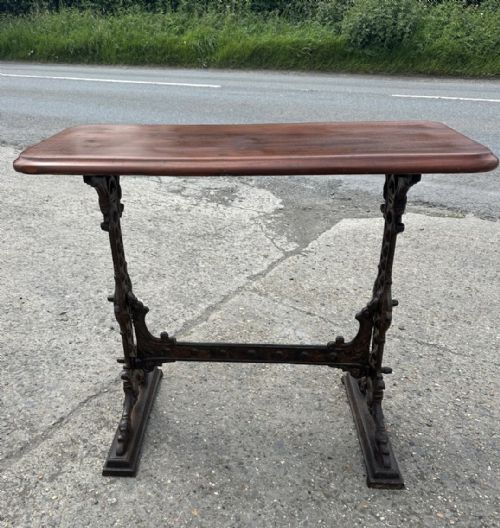
Most examples found here combine metal frames with timber or stone surfaces, spanning periods from the Victorian era through to the 1930s. The forms range from repurposed sewing machine bases and foundry tables to garden pieces and baker tables.
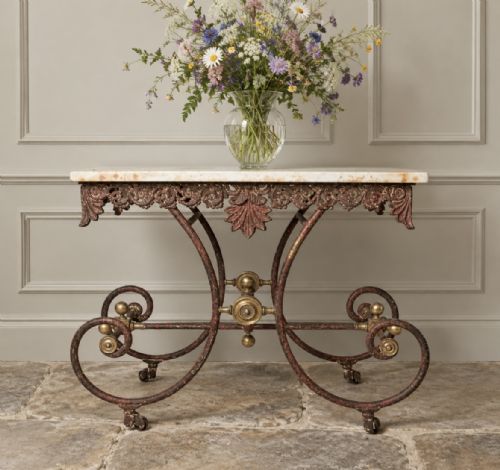
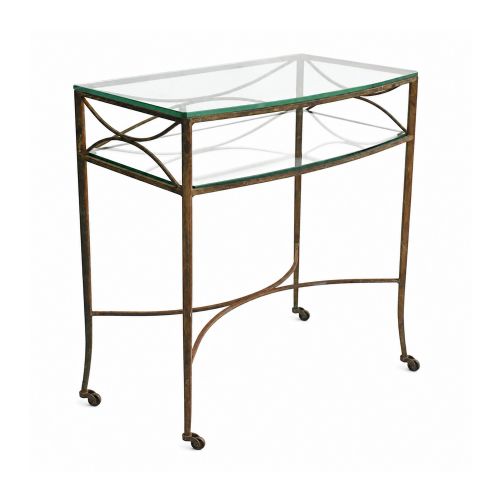
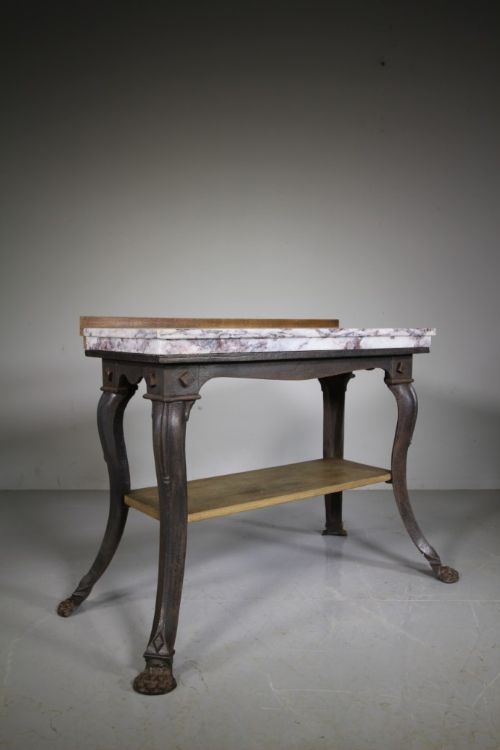
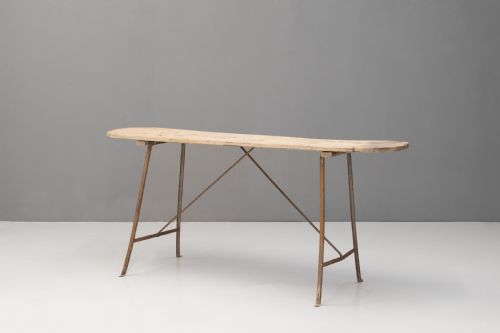
Originating largely from British and French sources, these pieces often incorporate cast iron, wrought iron, or steel structures paired with pine, oak, or marble tops. Buyers encounter everything from simple folding metalwork to substantial two-tier console tables.
Construction and materials
The foundation of these pieces relies heavily on cast iron, wrought iron, or steel, shaped in foundries to provide rigid support. Metal bases frequently feature intricate manufacturer markings or openwork scroll patterns designed to bear heavy operational loads.
Tops are constructed from durable materials such as marble, mahogany, pine, and oak, selected for their resilience in working environments. These surfaces are often secured directly to the metal frame using bolts or brackets, showing the practical methods of nineteenth-century and early twentieth-century makers.
Materials recur across cast iron, wrought iron, steel, pine, oak, mahogany, and marble.
Assessing quality and finish
Quality rests in the integrity of the original pairing between the metal base and its surface, as well as the honesty of the materials. Pieces featuring untouched original timber or genuine marble slabs sit higher in desirability than later replacements.
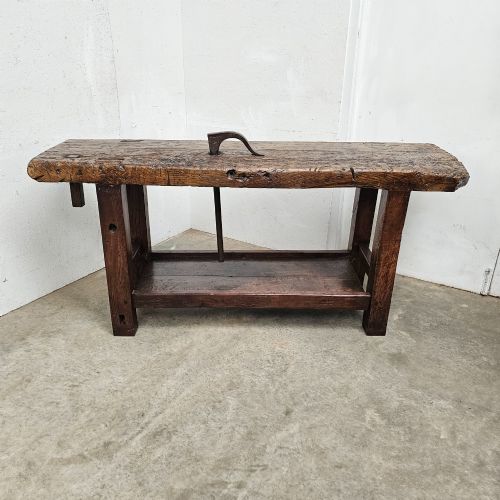
The crispness of the iron casting and the presence of genuine foundry marks or operational hardware, such as vices and clamping bars, distinguish superior examples. A well-proportioned frame with balanced weight demonstrates the purposeful design of the period.
The Industrial Iron Console Glossary
- Cast iron
- A hard, relatively brittle alloy of iron and carbon that can be readily cast in a mould. It forms the heavy, durable base structures seen across Victorian and Edwardian utility furniture.
- Console table
- A table fixed against a wall or designed to stand narrow in a hallway. These pieces provide a slim profile while utilising sturdy iron frames for support.
- Workbench
- A heavy sturdy table used by artisans or manual workers for mechanical or woodworking tasks. Many surviving examples are now repurposed as console or side tables.
- Marble top
- A smooth, polished slab of limestone used as a durable and heat-resistant surface. It frequently appears on French baker tables and nineteenth-century console pieces.
- Up-cycled
- The conversion of discarded or industrial objects into new materials or products of better quality. In these listings, this often involves pairing historic machine bases with reclaimed timber tops.
Industrial Iron Console: Frequently Asked Questions
Where do these iron consoles work best?
These tables suit narrow hallways, boot rooms, and living spaces where a slim yet heavy profile provides a striking focal point.
Their robust metal frames anchor lighter interior schemes, offering a practical surface for everyday items.
How are original iron bases identified?
Original bases typically display foundry stamps, registration numbers, or the distinct weight and patination associated with nineteenth-century casting techniques.
Look for honest wear to the metal and fixings that align with the stated period of manufacture.
Can these tables be used outdoors?
Certain variations, specifically garden tables and folding metalwork pieces, were built to withstand external environments.
Indoor console pieces with polished wood or marble tops are generally best kept inside to protect delicate timber and stone.
What maintenance do iron and wood need?
Metal frames benefit from occasional light dusting and dry wiping to preserve the historic patination without stripping the surface.
Wooden or marble tops require care appropriate to their material, using gentle cleaners to avoid damaging aged finishes.