



Industrial Bistro Table
An industrial bistro table brings sturdy metal framing and honest timber or marble together for everyday utility.
Industrial Bistro Table
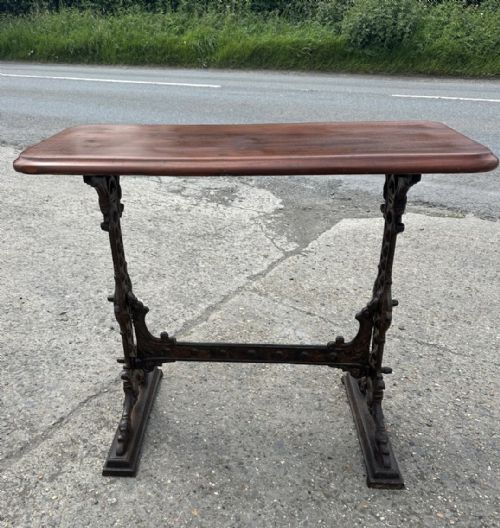
An industrial bistro table combines robust metal bases with practical timber or stone surfaces designed for hospitality and domestic use. You will frequently encounter nineteenth-century French designs alongside Victorian pub and tavern tables.
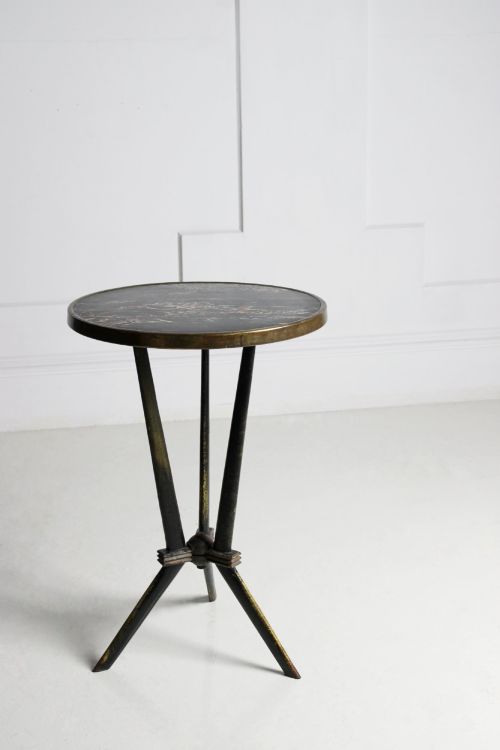
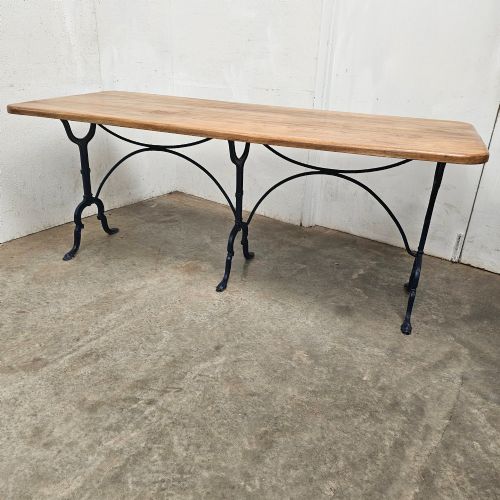
Forms range from compact round café bases to long elm and mahogany serving surfaces suitable for dining or occasional use. Many examples incorporate cast iron or wrought iron supports paired with oak, pine, or marble tops.
Origins span British and French workshops, encompassing garden tables, folding metalwork, and baker tables from the early twentieth century. These pieces bridge utilitarian function and decorative rustic charm.
How they were made
Foundries cast molten metal into intricate Britannia pedestals and sturdy tripod bases to support heavy daily wear. These iron structures provide the essential weight and stability characteristic of the genre.
Carpenters fitted timber planks of elm, oak, mahogany, and pine directly to the metal frames, often securing them with visible fixings. Marble slabs were similarly dropped into cast mounts for smooth, wipe-clean surfaces.
Industrial Bistro Table Retail Price Guide 2026
Typical asking prices for industrial bistro table among the pieces listed under this phrase on Sellingantiques today, from the lower quarter to the upper quarter. They describe what is for sale here now, not the wider market.
Some folding garden tables were designed to collapse instantly when sudden rain threatened the afternoon tea.
What varies in quality
The refinement of the casting work on the iron base dictates the visual weight and elegance of the piece. Crisp detailing in Britannia patterns separates standard utility pieces from finer foundry productions.
The choice of top material alters the character and longevity, with solid mahogany, thick marble, and seasoned French elm representing the upper tier of construction. Originality of the paired top and base remains paramount.
The Industrial Bistro Table Glossary
- Britannia base
- A specific style of heavy cast iron pub table pedestal featuring a seated figure of Britannia. This design provides exceptional stability for commercial hospitality environments.
- Cast iron
- An iron-carbon alloy poured into moulds to create rigid, ornate structural forms. It forms the backbone of nearly all nineteenth-century bistro and pub table bases.
- Bistro table
- A small dining or café table originally intended for tight spaces in French eateries. They typically feature a single central pedestal or a folding metal frame.
- Pub table
- A sturdy drinking table from British tavern traditions featuring heavy metal framing. These often paired utilitarian cast iron bases with durable mahogany or pine tops.
- Baker table
- A specialised commercial table featuring a marble top used historically for pastry preparation. The stone surface keeps dough cool during working.
Industrial Bistro Table: Frequently Asked Questions
Where were industrial bistro tables used originally?
These tables served primarily in nineteenth-century French cafés, bistros, and urban gathering spaces where durable furniture was essential.
In Britain, similar cast iron designs populated Victorian pubs, taverns, and commercial gardens for daily patronage.
Are marble tops original to these tables?
Many French bistro and baker tables utilise heavy marble slabs designed to resist heat and moisture during food preparation.
While some surfaces are later replacements, period examples frequently paired marble directly with iron bases.
How do I care for a wood and iron table?
Timber surfaces benefit from occasional waxing to nourish the grain and protect against everyday moisture rings.
Cast iron frames require only gentle dusting and dry cloth wiping to preserve their historic patinated finish.
Can these tables be used outdoors?
Garden tables and folding metalwork pieces from the early twentieth century were built to withstand changing weather conditions.
Wooden and polished marble versions fare best indoors or in sheltered garden rooms to prevent timber warping.