



Industrial Advertising Sign
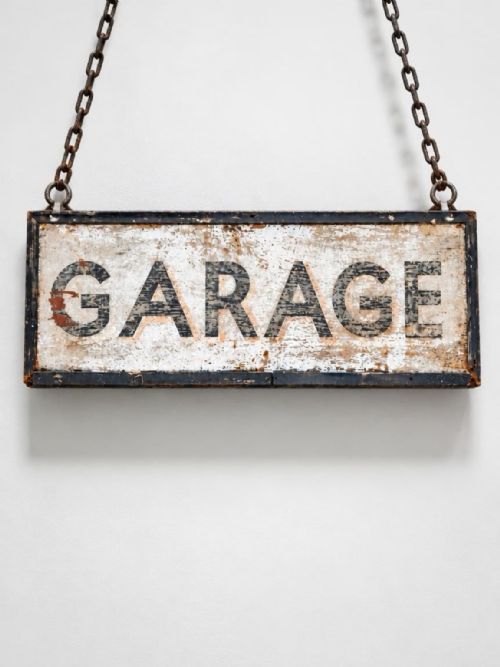
An industrial advertising sign brings direct commercial heritage into a room, offering robust iron, glass, and vitreous enamel pieces that command attention.
Industrial Advertising Sign
When you search for an industrial advertising sign, you are looking at trade markers, wall signage, and plaques that once promoted businesses, products, and services across Britain and Europe. These objects range from sturdy iron trade signs to large enamel boards designed to withstand decades of outdoor weather.
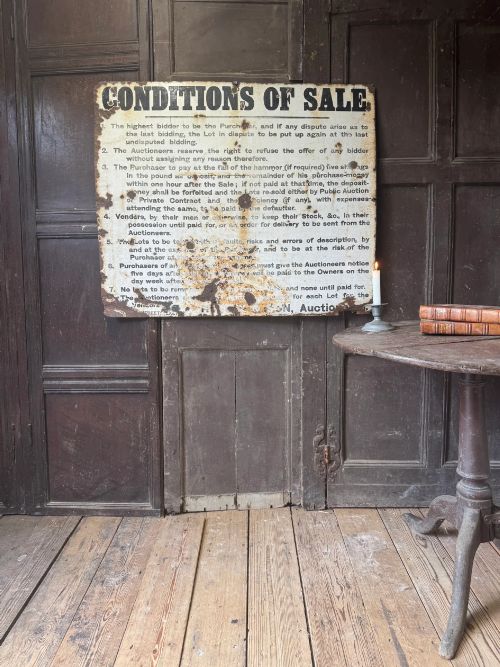
The versions most commonly met on this page date from the Victorian era through the mid-twentieth century, encompassing French street shop signs, auctioneers' conditions of sale boards, and regional newspaper notices. Alongside flat wall signage, the selection includes double-sided pocket watch trade clocks and vending machine mirrors.
Makers and merchants utilised various formats to catch the eye of the passing public, from small brass safe plaques to huge north London enamel displays. Each piece reflects the commercial graphics and trade demands of its specific decade, whether Art Deco or early twentieth-century industrial.
How they were made
Makers combined vitreous enamel with sheet metal and iron to create durable surfaces that resisted fading and weather damage. Fused glass powders bonded to metal bases produced glossy, hard-wearing finishes capable of lasting outdoors for generations.
Other examples rely on painted metal, brass, and copper, often featuring hand-lettered typography applied directly to the substrate. Cast iron signs used raised lettering and borders cast directly into the metal mould before receiving coats of protective paint.
Industrial Advertising Sign Retail Price Guide 2026
Typical asking prices for industrial advertising sign among the pieces listed under this phrase on Sellingantiques today, from the lower quarter to the upper quarter. They describe what is for sale here now, not the wider market.
Several signs still bear the exact rules of conduct for local West Country auctions, ensuring nobody could dispute the bidding terms.
What varies in quality
Quality rests upon the clarity of the typography, the integrity of the enamel or paint surface, and the strength of the original mounting hardware. Superior examples retain their original surface gloss and crisp lettering without extensive modern overpainting.
The presence of maker details or specific regional provenance elevates certain pieces above standard utility signage. Larger formats and double-sided configurations demand greater structural engineering, distinguishing more ambitious commissions from simple wall plaques.
Smiths of London·Josef Herzog Jewellery Shop
The Industrial Advertising Sign Glossary
- Vitreous Enamel
- A material created by fusing powdered glass to a metallic substrate at high temperatures. This technique produced a glossy, chemical-resistant finish widely utilised for outdoor advertising.
- Trade Sign
- An object created to advertise a specific profession, shop, or service. These items hung outside premises to identify the trade to literate and illiterate passers-by alike.
- Pictorial Enamel
- An enamel sign incorporating illustrative imagery alongside lettering. These designs often featured specific brand products or mascots to boost commercial appeal.
- Cast Iron
- An iron-carbon alloy poured into moulds to create rigid objects. It allowed makers to produce signs with raised lettering and decorative borders.
- Brass Safe Plaque
- A small metallic identification plate fixed to security boxes or furniture. These items frequently bore the maker name and operating address.
Industrial Advertising Sign: Frequently Asked Questions
How were industrial advertising signs displayed?
Most wall signs and trade plaques were mounted directly onto exterior brickwork or shopfront timber using iron brackets and screw fixings. Double-sided variations projected outwards from buildings so pedestrians could spot the business from a distance down the street.
Inside retail spaces and offices, smaller mirrors and clocks served both a practical function and a promotional purpose for the brand named on the glass or dial.
What materials lasted best outdoors?
Vitreous enamel bonded to sheet metal or iron proved the most resilient medium for exterior advertising. The glass surface resisted moisture and dirt, protecting the painted graphics beneath from rain and ultraviolet light.
Painted metal and unsealed copper or brass required more regular maintenance to prevent corrosion when exposed to damp British weather over decades.
How do I date an enamel sign?
Typography style, colour palettes, and framing methods offer the clearest clues to a sign's decade of manufacture. Art Deco geometric lettering and specific corporate logos help narrow down the production period alongside any visible trade names.
Heavier iron backing plates and specific mounting lugs also point towards earlier Victorian or Edwardian manufacturing techniques rather than mid-century methods.
How do I hang a heavy iron sign?
Due to the substantial weight of cast iron and framed enamel boards, secure fixing into solid masonry or wall studs is essential. Utilising appropriaterawl plugs and heavy-duty steel brackets distributes the load safely across the wall.
Checking the stability of original iron mounting brackets attached to the piece ensures the antique hardware can support the body of the sign without failing.