



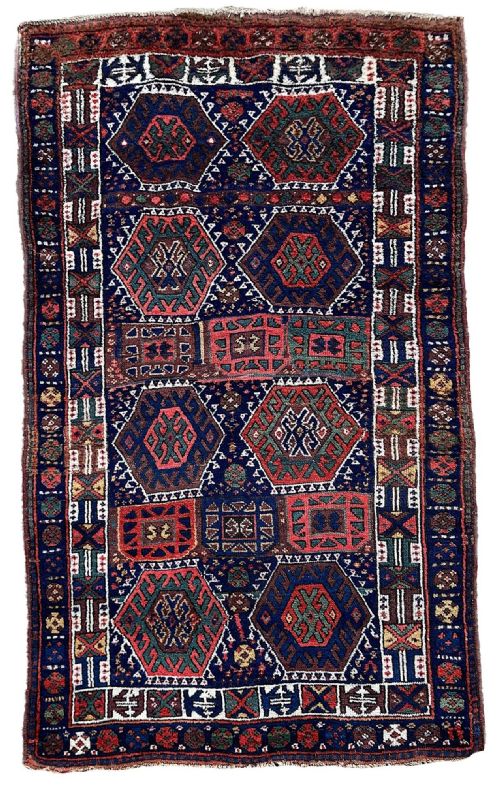

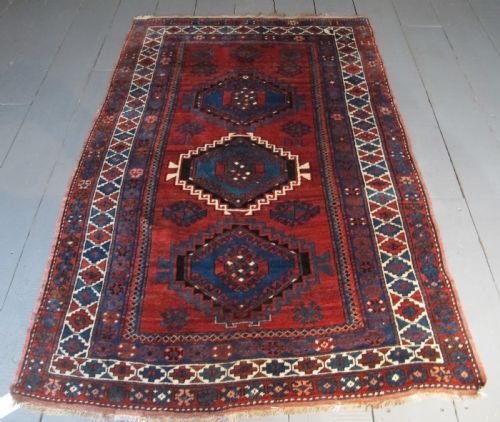
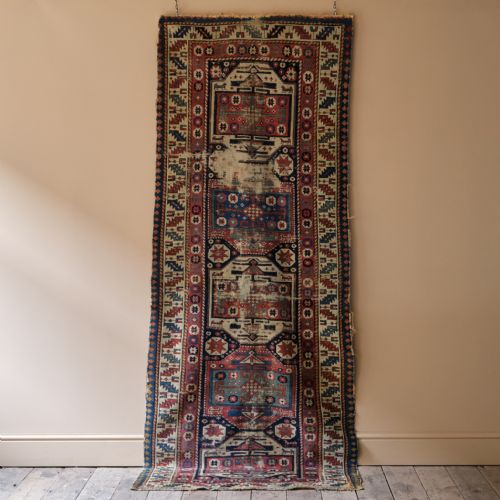


Indigo Runner Carpet
An indigo runner carpet brings deep natural blues and tribal geometry to narrow hallways, offering centuries of nomadic weaving traditions.
Indigo Runner Carpet
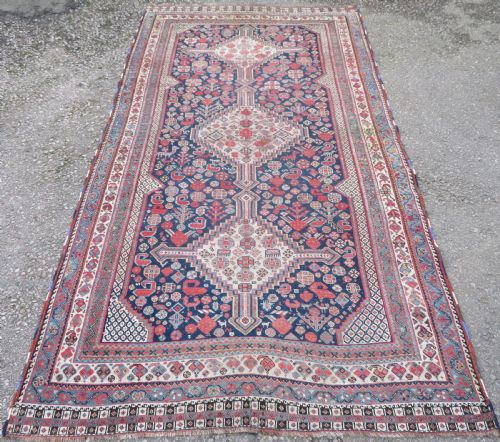
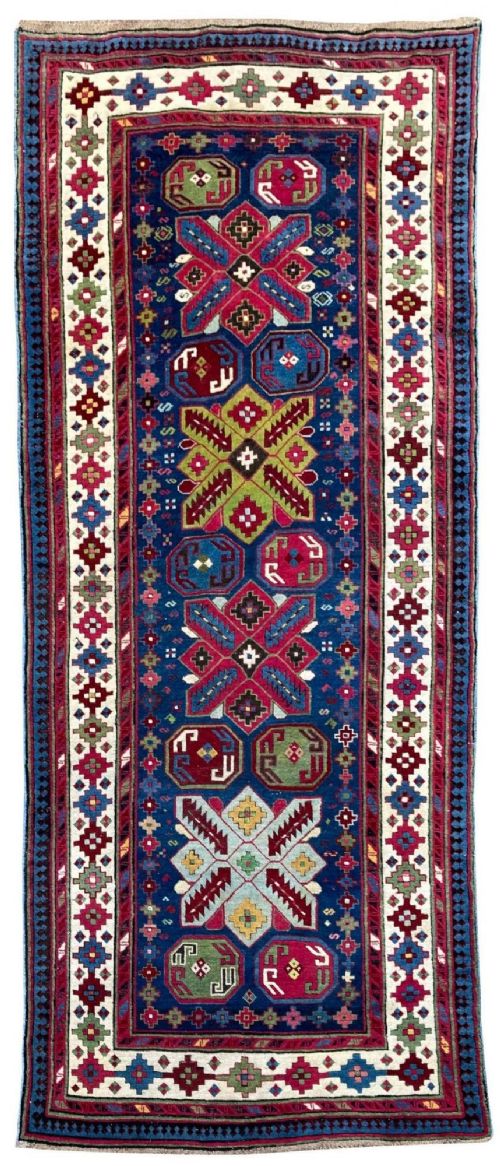
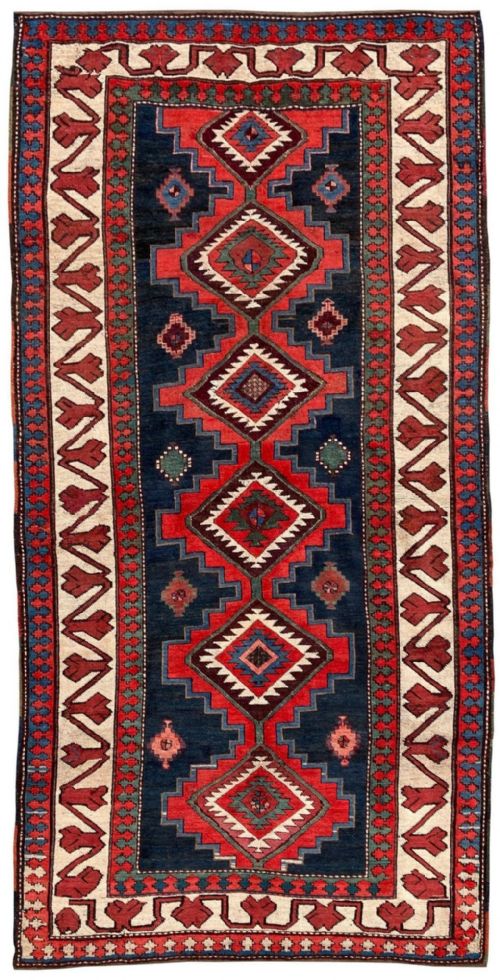
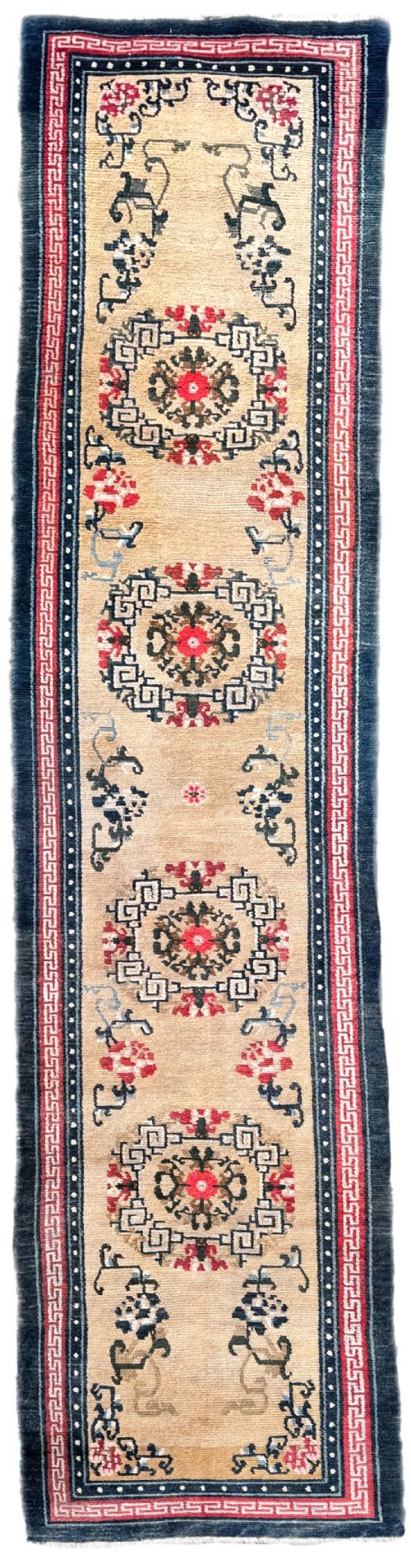
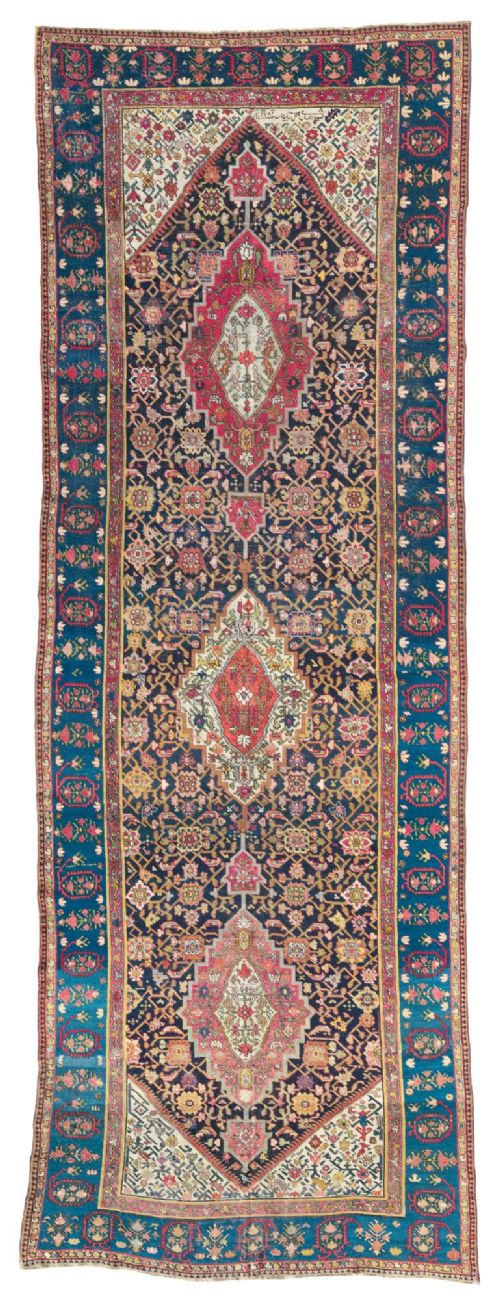
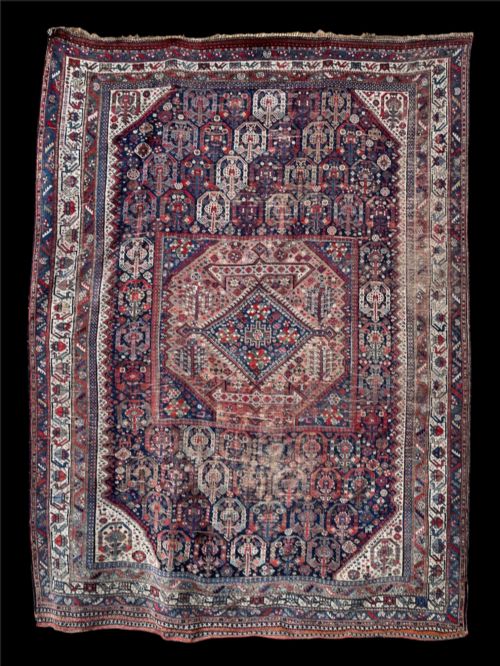
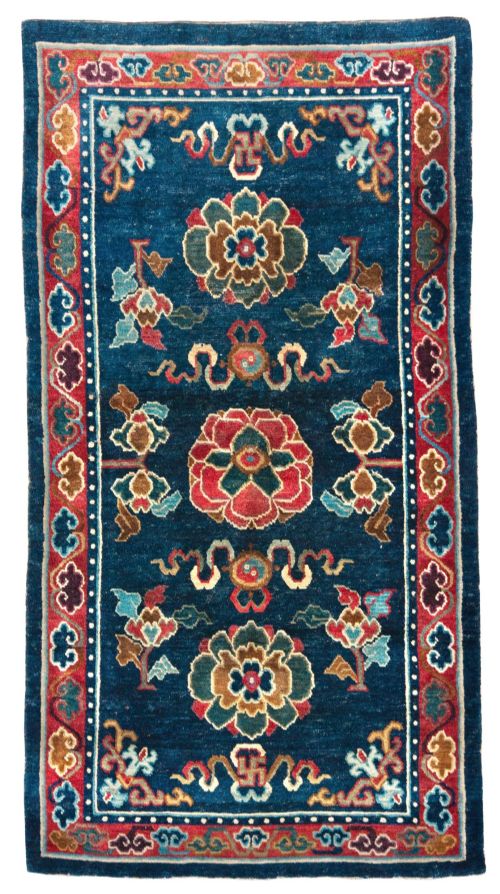
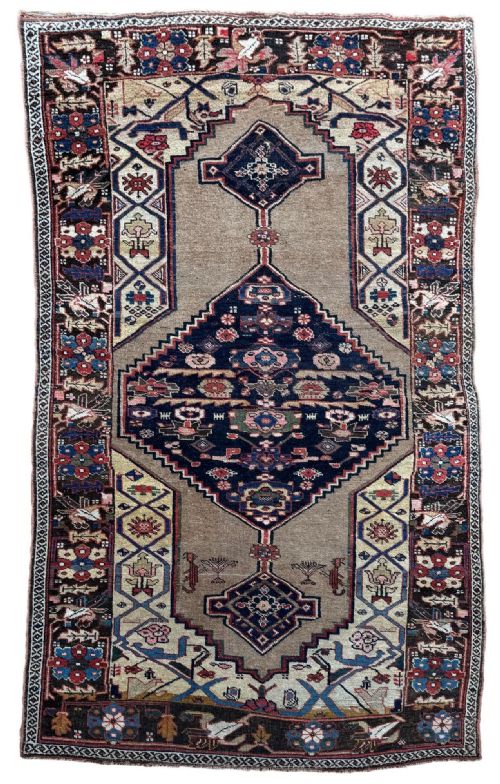
When you search for an indigo runner carpet, you enter a world of elongated tribal floor coverings defined by deep blue dyed grounds. The pieces appearing here span from the nineteenth century into the early twentieth century, originating from Caucasian, Persian tribal, Kurdish, and Baluch weaving traditions. These narrow formats were woven for specific architectural spaces like corridors and gallery halls, utilising traditional village looms.
You are most likely to meet elongated formats attributed to Caucasian workshops, Kurdish groups, and Baluch weavers. These examples frequently employ rich blue fields offset by geometric medallions, stars, and repeating tribal motifs. The formats range from compact corridors to substantial long runners stretching over four metres in length.
How they were made
The material foundation rests primarily on hand-spun wool and cotton, occasionally incorporating goat hair for structural resilience. Weavers utilised natural dyes to achieve the signature blue grounds, working pigment from botanical sources into the fleece before knotting or flat-weaving.
Construction techniques divide between pile-woven carpets and flat-woven kilims. Artisans tied dense wool knots onto cotton or wool foundation warps, whilst flat-weave panels relied on supplementary weft-wrapping methods to build geometric patterns without a raised pile.
Indigo Runner Carpet Retail Price Guide 2026
Typical asking prices for indigo runner carpet among the pieces listed under this phrase on Sellingantiques today, from the lower quarter to the upper quarter. They describe what is for sale here now, not the wider market.
The inventory records Persian tribal, Caucasian, Kurdish, Baluch, Tibetan, and Anatolian styles within the runner format.
What varies in quality
Quality reveals itself through the depth of the dye work and the precision of the tribal geometry. Superior examples display complex variations within the blue tones, achieved through expert natural dyeing rather than flat synthetic colouring.
Structural integrity and wool quality also divide the range. Tightly packed knots and resilient hand-spun wool create a denser handle that withstands heavy foot traffic, whilst softer foundations indicate lighter construction.
The Indigo Runner Carpet Glossary
- Runner
- A long, narrow carpet format specifically designed for hallways, corridors, and narrow architectural spaces. These pieces measure significantly longer than they are wide.
- Kilim
- A flat-woven carpet or rug made without a pile by tightly interweaving warp and weft strands. This technique produces a lightweight, reversible textile.
- Kelleh
- A large rectangular carpet format, longer than it is wide but proportioned differently from a standard runner. It serves as an intermediate size between area carpets and long corridors.
- Mafrash
- A storage bag panel or side piece from a nomadic household, often repurposed into smaller flat-weaves or collector pieces. They showcase distinctive tribal iconography.
- Talish
- A specific style of Caucasian weaving known for restrained compositions and elongated proportions. These pieces frequently feature open blue fields and structured border guards.
Indigo Runner Carpet: Frequently Asked Questions
Where should I place an indigo runner carpet?
These elongated floor coverings suit narrow corridors, entrance halls, and gallery spaces where their specific proportions balance the architecture.
They also function effectively alongside gallery walls or narrow bedroom spaces to introduce grounding blue tones.
How do I clean a natural dye runner?
Routine maintenance requires gentle surface vacuuming without the rotating brush bar to protect the wool pile.
Professional specialist cleaning is necessary for deep washing to preserve the integrity of the natural botanical dyes.
What makes the blue colour distinct?
The deep blue grounds rely on traditional plant-based indigo dyeing methods applied to hand-spun wool.
This process creates subtle abrash, where the tone shifts organically across the surface as the dye absorbs unevenly into the fibres.
How do I identify a tribal origin?
Tribal attribution is read through the specific geometric vocabulary, border arrangements, and structural materials.
Weaving groups such as the Baluch, Kurdish, and Caucasian communities employed distinct regional motifs passed down through generations.