




Indian Wooden Elephant
An indian wooden elephant brings colonial craftsmanship and intricate carving into a room, taking the form of sturdy tables, animal studies and practical bookends.
Indian Wooden Elephant
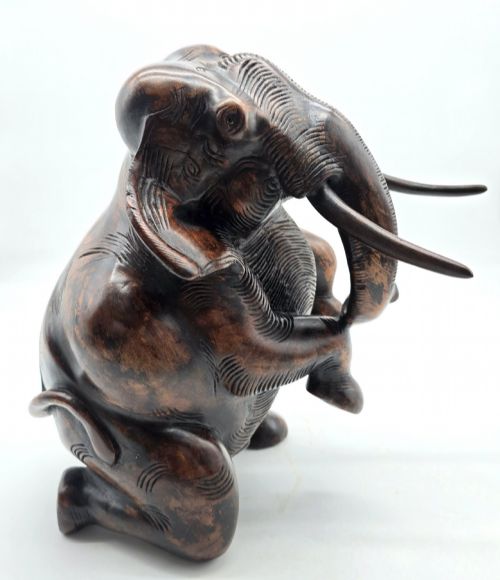
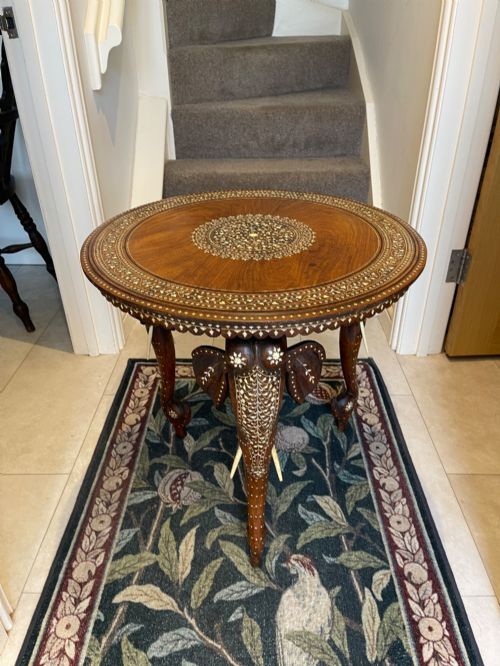
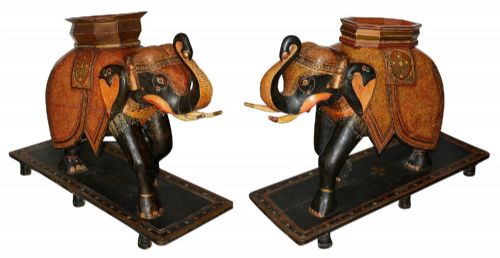
An indian wooden elephant manifests primarily as small side tables, occasional tables, sculptural studies and bookends spanning the late nineteenth century and the early twentieth century. Buyers seeking this phrase encounter items shaped from dense timbers, frequently associated with the Raj period and regional workshops such as Hoshiarpur and the Bombay Presidency.
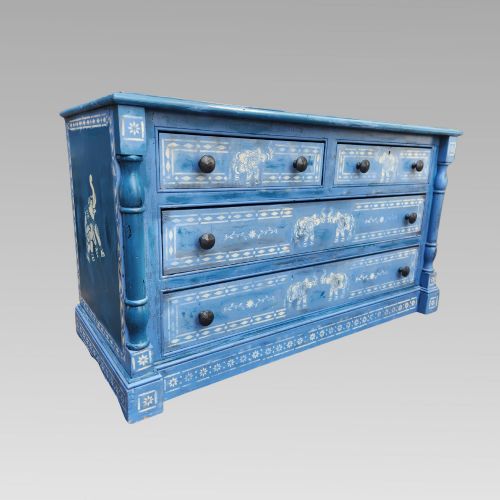
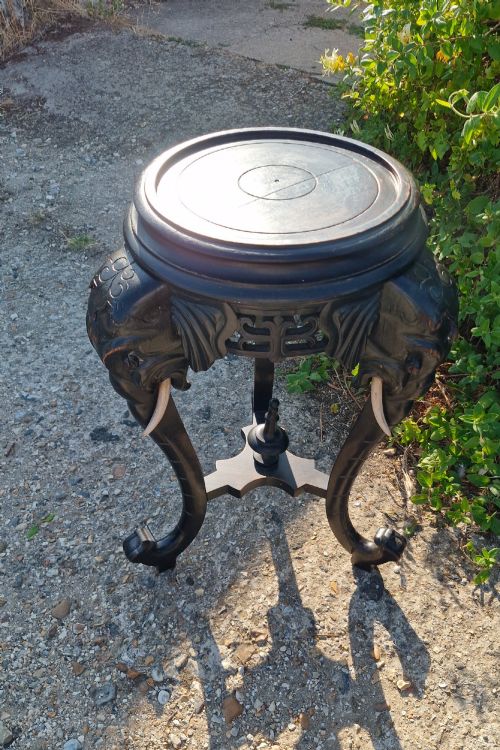
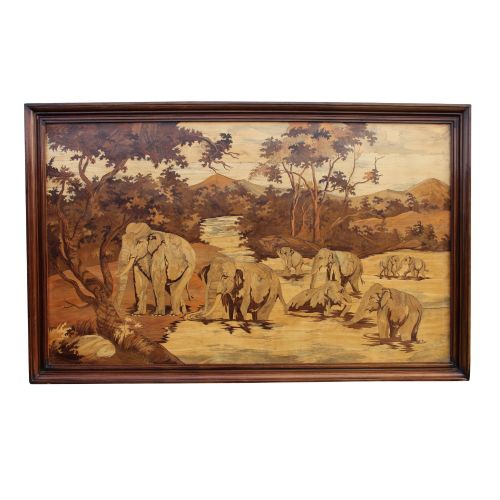
The objects range from functional furniture items, including coffee tables and occasional stands supported by carved animal legs, to decorative sculptures and detailed marquetry panels. Tables often integrate the animal motif directly into the structural legs or central pedestals.
Originating largely from Anglo-Indian and colonial contexts, these pieces reflect distinct regional aesthetics from the Victorian era onward, encompassing folk art influences alongside polished colonial production.
Materials and Technique
Techniques combined traditional joinery with deep relief carving, where figures of elephants and keepers emerge directly from the solid wood. Marquetry panels and lacquer work appear alongside carved structural elements, demonstrating varied regional woodworking skills.
Indian Wooden Elephant Retail Price Guide 2026
Typical asking prices for indian wooden elephant among the pieces listed under this phrase on Sellingantiques today, from the lower quarter to the upper quarter. They describe what is for sale here now, not the wider market.
Judging the Workmanship
Quality rests in the crispness of the hand-carving and the depth of the relief work, where finer examples display articulate detailing on the animal hide, trappings, and tusks. Solid timber construction and tight joinery separate superior furniture pieces from simpler utilitarian items.
The complexity of the regional ornamentation, such as intricate bone inlay or multi-wood marquetry panels, dictates the distinction between standard production and exceptional workshop pieces.
The Indian Wooden Elephant Glossary
- Anglo-Indian
- Pertaining to furniture and decorative objects produced during the British colonial period in India, often blending British furniture forms with local carving traditions.
- Hoshiarpur
- A region in Punjab renowned for intricate woodwork, characterised by dense geometric marquetry and bone inlay on tables and stands.
- Bombay Presidency
- A administrative division of British India associated with specific regional styles of dense hardwood carving, particularly teak tables and stands.
- Marquetry
- The art of applying small pieces of veneer to a structure to form decorative patterns, often seen on panels depicting animal scenes.
- Raj Period
- The period of direct British rule in the Indian subcontinent, spanning from eighteen fifty-eight to nineteen forty-seven, which heavily influenced domestic craft production.
Indian Wooden Elephant: Frequently Asked Questions
How were indian wooden elephant tables used?
These tables served as occasional furniture in colonial homes, functioning as tea tables, lamp stands, or decorative display surfaces in drawing rooms.
Their sturdy hardwood construction allowed them to hold objects securely while displaying the intricate animal carvings that supported the top.
How do I identify a Raj period piece?
Raj period pieces typically feature dense tropical hardwoods like teak or rosewood combined with deep relief carving depicting ceremonial elephants and keepers.
Examination of the timber density and the style of the carving helps distinguish these nineteenth-century items from later reproductions.
Where should I place an elephant bookend?
Bookends carved from ebony or coromandel suit heavy shelves or desk settings where their substantial weight can properly support rows of books.
Positioning them in a study or library highlights the detailed woodworking and natural grain of the dark timbers.
What distinguishes Hoshiarpur tables?
Hoshiarpur tables are defined by extensive surface decoration utilising intricate bone inlay and geometric wooden marquetry patterns across the top and legs.
This specific regional technique creates a mosaic-like surface that contrasts with plain carved hardwood furniture.