



Indian Wooden Doors
Indian wooden doors bring rich architectural texture and deep cultural history into a modern room, offering heavy timber construction and intricate craftsmanship.
Indian Wooden Doors
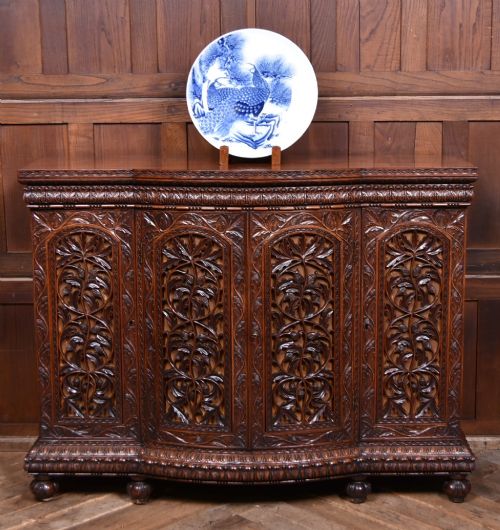
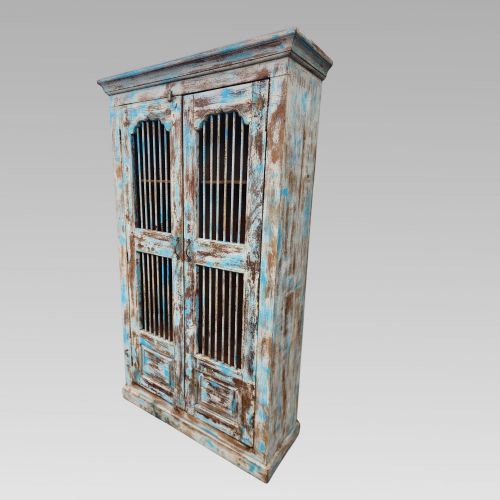
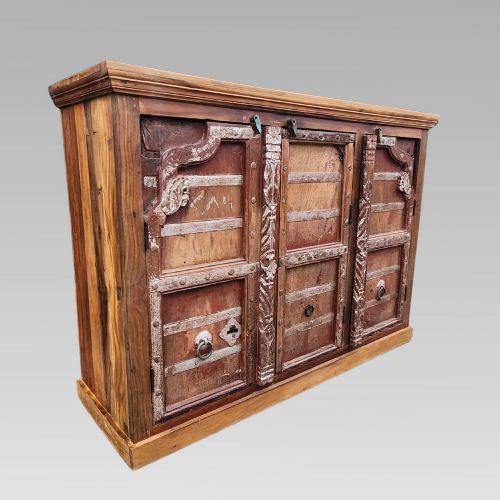
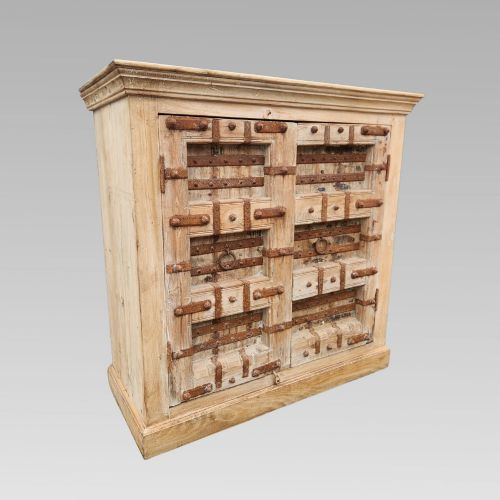
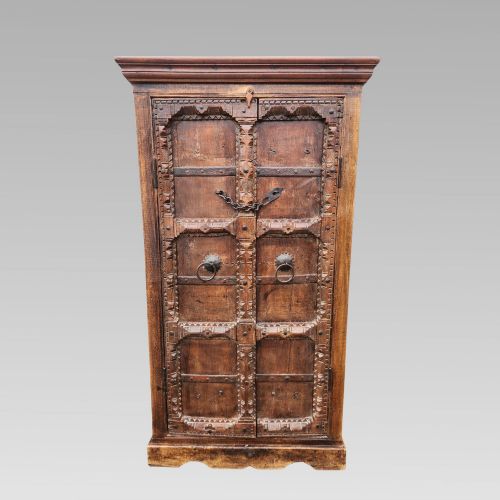
Indian wooden doors encompass substantial architectural salvage and adapted storage furniture featuring traditional joinery. When exploring Indian wooden doors, buyers encounter items ranging from nineteenth century wall art panels with vibrant painted finishes to robust sideboards and storage cupboards.
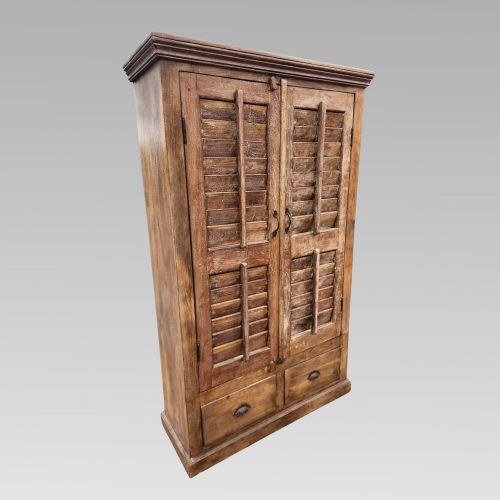
The selections span traditional Indian, Anglo-Indian, and rustic regional designs alongside related Moroccan pieces. Pieces often incorporate original frames, heavy paneling, and louvre details that reflect historical domestic and architectural uses.
How they were made
These items rely on dense tropical hardwoods including teak, padouk, rosewood, and satinwood. Artisans built these sturdy structures using solid timber planks combined with iron and brass hardware for structural integrity.
Many examples incorporate salvaged elements such as carved panels and painted surfaces preserved from older structures. Glazing and specialised louvre door configurations appear in specific cabinetry iterations.
Indian Wooden Doors Retail Price Guide 2026
Typical asking prices for indian wooden doors among the pieces listed under this phrase on Sellingantiques today, from the lower quarter to the upper quarter. They describe what is for sale here now, not the wider market.
Some doors come with stories written entirely in their layers of old paint and stubborn iron studs.
What varies in quality
Distinctions in quality rest upon the choice of timber and the preservation of original finishes. Dense hardwoods like padouk and rosewood offer superior weight and durability compared to standard reclaimed stock.
The integrity of original painted surfaces and iron or brass metalwork dictates the visual character. Pieces retaining authentic frames and untouched structural joinery demonstrate higher craftsmanship than heavily altered adaptations.
The Indian Wooden Doors Glossary
- Architectural salvage
- Building components rescued from demolition or renovation for reuse as decorative or functional items. This practice preserves historical woodwork and hardware.
- Louvre door
- A door fitted with horizontal timber slats that allow ventilation while maintaining privacy. These appear frequently on functional storage pieces.
- Anglo-Indian
- A design style blending British furniture forms with traditional Indian craftsmanship and materials. This fusion emerged during the colonial period.
- Padouk wood
- A heavy, durable reddish timber valued for fine cabinetry and resilience. It provides exceptional stability for large panels and doors.
- Reclaimed teak
- Mature timber salvaged from older structures and repurposed for new furniture. It offers exceptional density and resistance to environmental wear.
Indian Wooden Doors: Frequently Asked Questions
How do I hang a heavy wooden door?
Heavy hardwood doors require reinforced structural framing and heavy-duty steel hinges secured directly into solid wall studs or masonry. Proper weight distribution prevents sagging over time.
Professional installation is recommended due to the substantial mass of dense tropical timbers like teak and padouk.
Can I use these doors outdoors?
Most antique panels and doors are intended for interior display or sheltered architectural use. Exposure to direct weathering can damage original painted surfaces and dry out aged timber.
Applying appropriate exterior sealants offers limited protection if used outside, though interior placement preserves their condition best.
How should I clean painted wood?
Dust the surface gently with a dry microfibre cloth to remove loose particles without disturbing old pigments. Avoid harsh chemical cleaners or excessive moisture.
Stubborn grime requires a slightly damp cloth with mild soap, followed immediately by thorough drying with a soft towel.
What is Anglo-Indian furniture?
Anglo-Indian pieces combine European cabinet proportions with intricate South Asian carving techniques and dense native timbers. These items reflect the cultural exchange of the colonial era.
They often feature luxurious woods like satinwood and rosewood combined with traditional joinery methods.