

Indian Wood Table
An indian wood table brings dense carvings, inlaid surfaces and colonial craftsmanship straight into a room.
Indian Wood Table
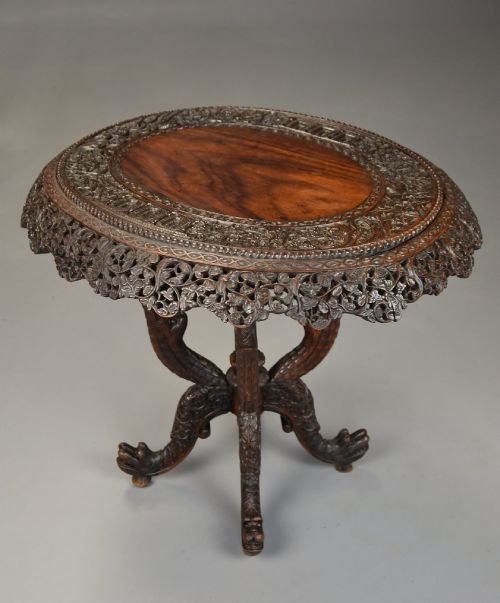
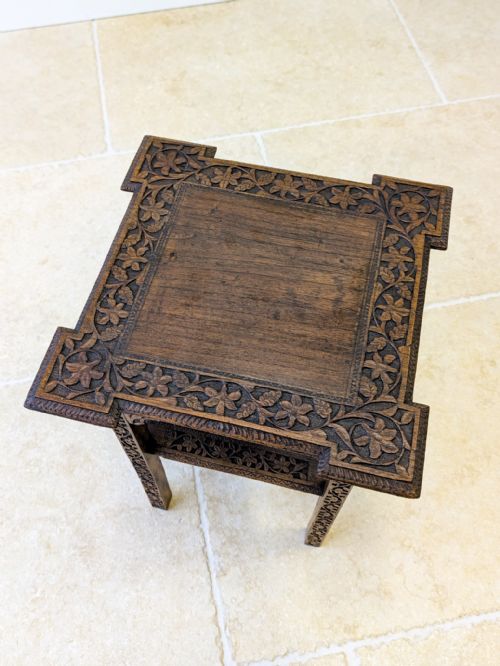
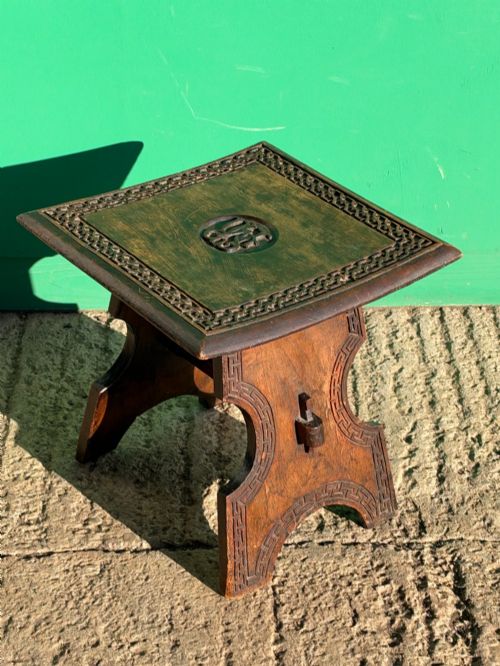
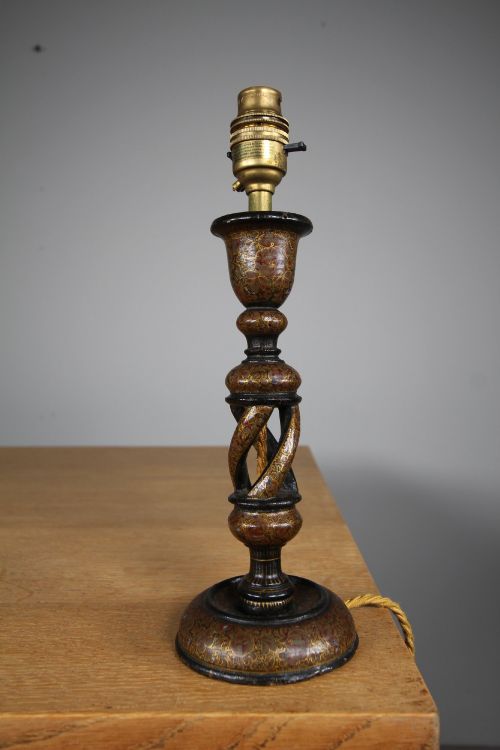
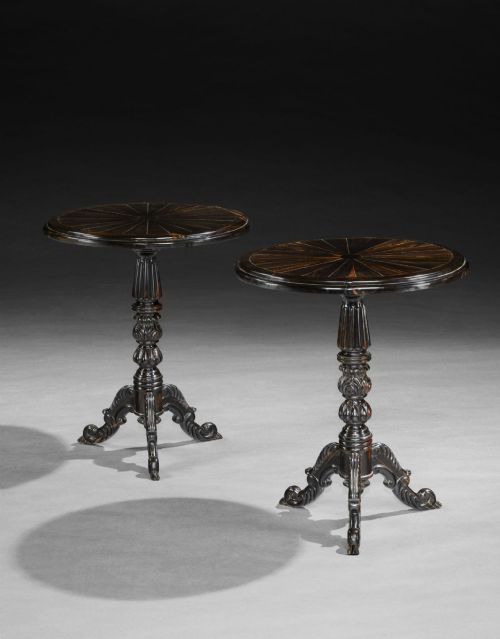
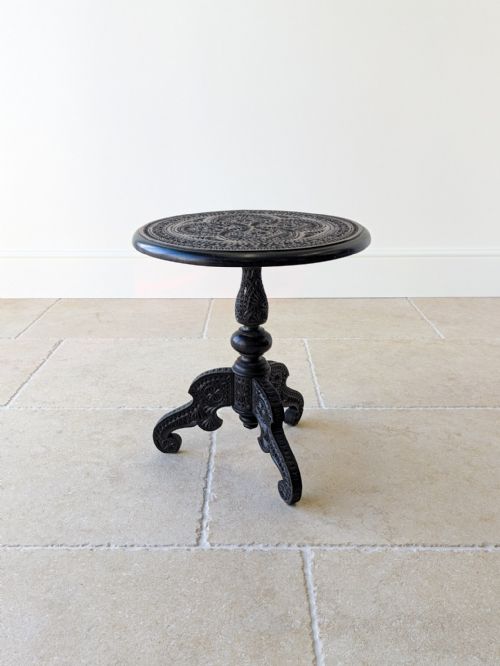
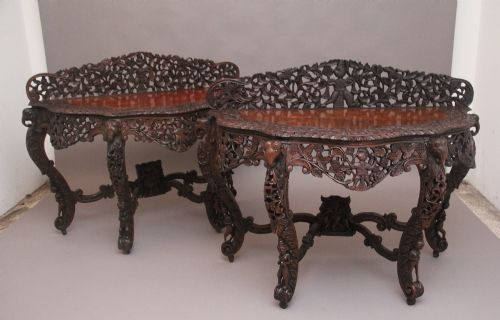
An indian wood table spans occasional, side, centre, coffee and dining forms originating from periods including the nineteenth century and the early twentieth century. Buyers seeking an indian wood table encounter dense ornamentation created for both domestic use in the subcontinent and export to Britain during the colonial era.
How they were made
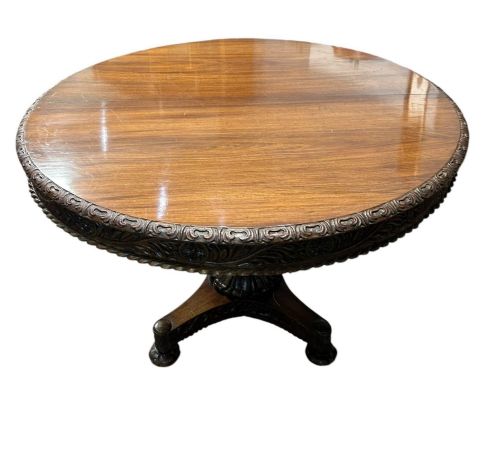
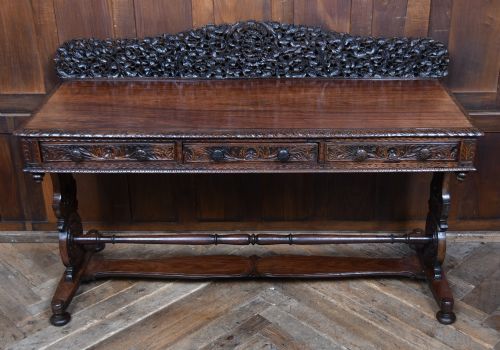
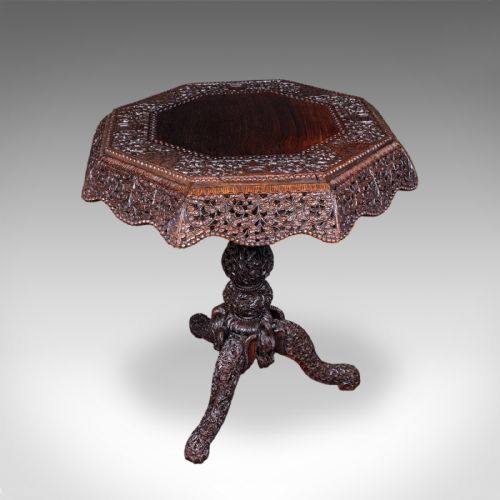
Joiners and carvers utilised dense timbers such as teak, rosewood, padouk, ebony, walnut, and general hardwood as the structural foundation. These substantial woods permitted deep relief carving, turned pedestals, and sturdy tripod or folding frames.
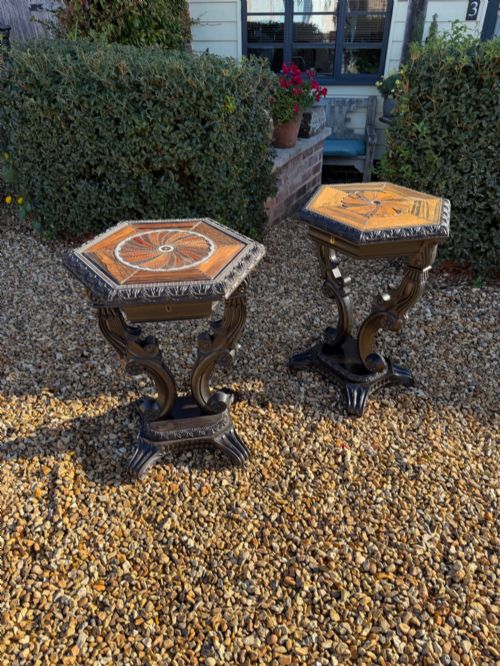
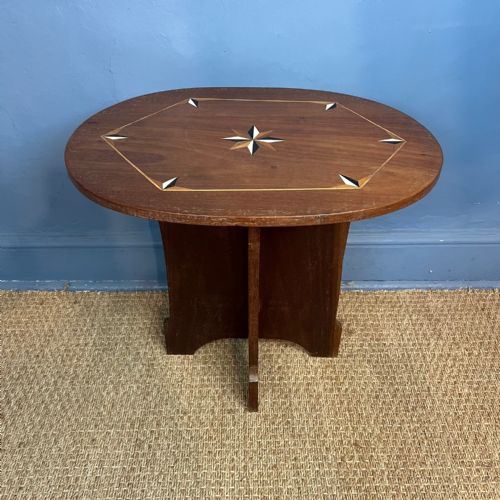
Surfaces frequently incorporate decorative elements including bone inlay, brass wire, mother of pearl, and copper inserts, alongside hand-painted highlights or woven rattan details.
Indian Wood Table Retail Price Guide 2026
Typical asking prices for indian wood table among the pieces listed under this phrase on Sellingantiques today, from the lower quarter to the upper quarter. They describe what is for sale here now, not the wider market.
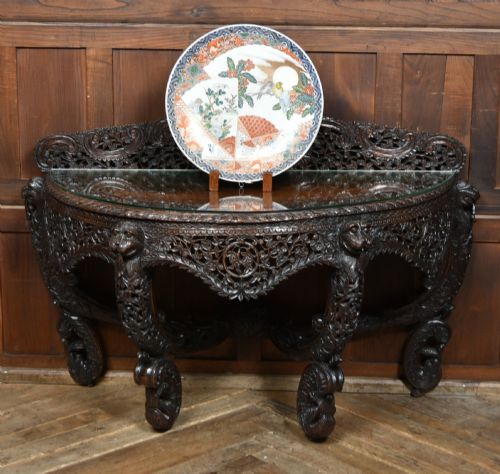
Several late Victorian elephant tables feature painted wooden tusks extending outwards from the carved wooden heads.
What varies in quality
The standard of an indian wood table rests upon the crispness of the hand carving and the precision of the inlay work. Finer examples display intricate geometric patterns and securely fitted inlays of bone or brass without gaps.
The choice of timber also dictates the tier, with dense exotic hardwoods like calamander, ebony, and padouk demonstrating superior weight, grain depth, and structural longevity compared to simpler secondary woods.
Liberty & Co
The Indian Wood Table Glossary
- Hoshiarpur
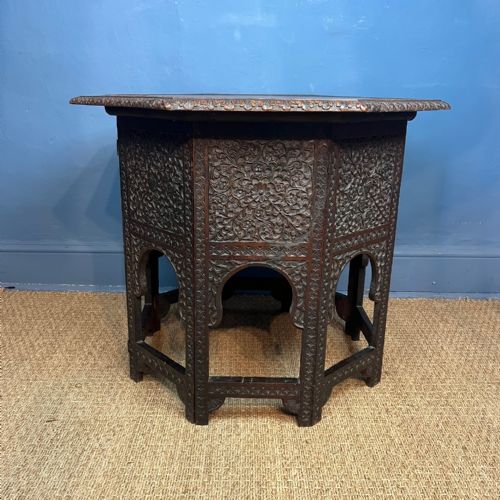
- A style of woodwork originating from Punjab, characterised by intricate wooden relief carving and detailed inlay work using materials such as bone and brass. These pieces often feature folding octagonal frames.
- Anglo-Indian
- A designation for furniture made in India during the British colonial period, combining traditional local craftsmanship and native timbers with European forms. Such items frequently merge regional motifs with British dining or occasional table layouts.
- Padouk
- A heavy, durable tropical hardwood with a reddish hue utilised in nineteenth-century colonial furniture making. This timber provides a stable base for deep hand carving on centre and occasional tables.
- Tripod table
- A small freestanding table supported by a central pillar above three splayed legs. This form allows compact placement and often includes a tilt mechanism for easy storage.
Indian Wood Table: Frequently Asked Questions
How were these tables used originally?
These pieces served practical roles in colonial homes as tea tables, reading surfaces, and centre tables for displaying decorative objects.
Many folding and occasional designs were also created specifically for export to British drawing rooms during the Victorian and Edwardian eras.
Where did Hoshiarpur tables come from?
Hoshiarpur tables originated in the Punjab region of northern India and gained popularity across Britain in the late nineteenth century.
Local artisans developed distinct folding wooden frames densely covered in geometric carved patterns and inlaid bone.
How do I identify a colonial period piece?
Dating relies on timber selection, construction methods, and stylistic crossover between British furniture shapes and regional carving techniques.
Nineteenth-century examples frequently employ dense exotic woods like padouk and ebony alongside traditional hand-wrought joinery.
How should I care for inlaid wooden surfaces?
Inlaid surfaces benefit from gentle dusting with a soft cloth and occasional treatment with suitable natural waxes to preserve the timber.
Avoiding excessive moisture and direct sunlight protects delicate bone and brass inlay work from expanding or loosening.