






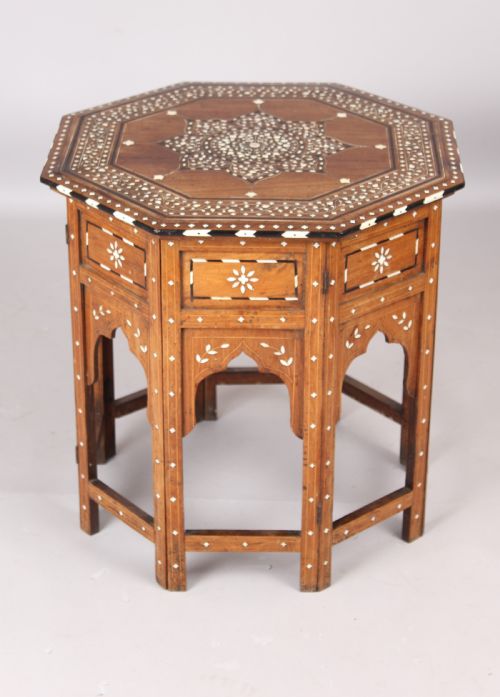

Indian Carved Stool
These indian carved stool pieces bring rich colonial and regional craftsmanship into a room, offering low seating and sculptural presence.
Indian Carved Stool
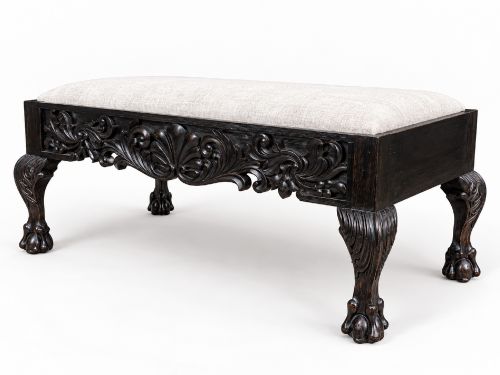
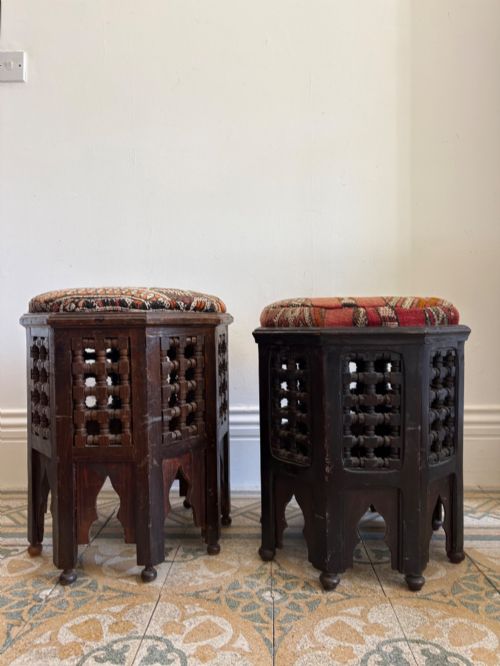
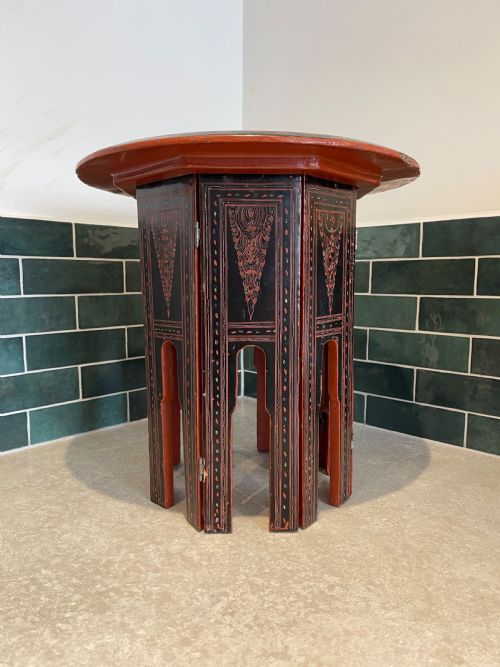
An indian carved stool takes various forms across domestic furniture, functioning as low seating, footstools, ottomans, or occasional tables. These pieces draw from distinct regional styles including Anglo-Indian, Anglo-Burmese, and Hoshiarpur traditions.
The materials and construction reflect dense tropical timbers and intricate surface work, spanning small footstools to large ottoman coffee tables. Most examples date from the nineteenth century through the early twentieth century.
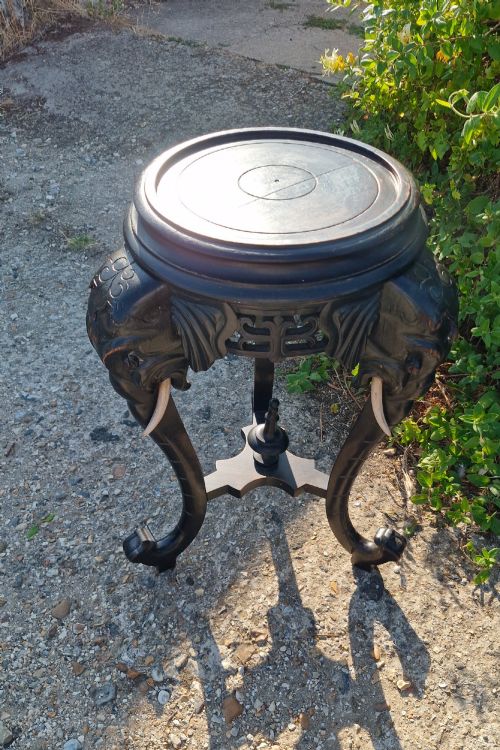
Buyers encounter frequent variations involving animal motifs such as elephants, alongside floral leaf carving and geometric inlay. Such forms bridge functional seating and decorative folk art.
Materials and construction
Workshops utilised heavy hardwoods including teak, rosewood, padouk, and ebony as the structural base for deep relief carving. These dense timbers allowed artisans to execute complex scrollwork, pierced fretwork, and sculptural figures.
Surface ornamentation often incorporated contrasting elements such as bone inlay, pearl inlay, and painted wooden details. Upholstered variants integrated fabric, red leather, or decorative secondary materials.
Indian Carved Stool Retail Price Guide 2026
Typical asking prices for indian carved stool among the pieces listed under this phrase on Sellingantiques today, from the lower quarter to the upper quarter. They describe what is for sale here now, not the wider market.
Several elephant tables incorporate painted wooden tusks alongside their sculpted bodies.
What separates the fine from the ordinary
The depth and crispness of the carving distinguish finer pieces from simpler commercial work, showing control in floral and figural relief. Timber selection also matters, with dense rosewood, teak, and padouk retaining sharper detail than softer woods.
The integrity of secondary elements like bone or pearl inlay dictates execution quality, alongside the stability of joined frames and sculptural legs.
The Indian Carved Stool Glossary
- Anglo-Indian
- A descriptive term for furniture made in India during the British colonial period, combining traditional local motifs with European forms.
- Hoshiarpur
- A North Indian style and centre known for intricate geometric bone or wood inlay work across tables and seating.
- Padouk
- A heavy, durable tropical timber with a reddish hue utilised in nineteenth-century colonial furniture.
- Fretwork
- Ornamental design created by cutting patterns through thin wood, frequently seen on Victorian and colonial panels.
Indian Carved Stool: Frequently Asked Questions
How do I care for an indian carved stool?
Dust regularly with a dry cloth and avoid harsh chemical polishes that might damage aged timber or inlay.
Keep the piece away from direct heat sources and strong sunlight to prevent the wood or bone elements from drying and cracking.
Are these stools sturdy enough to sit on?
Most examples were built for actual use from dense hardwoods like teak and rosewood, making them structurally robust.
Heavily carved or inlaid pieces benefit from sensible weight distribution to protect delicate protruding elements like carved tusks or low feet.
What is Hoshiarpur inlay work?
Hoshiarpur inlay involves meticulously fitted pieces of bone or contrasting wood embedded into a dark hardwood base in geometric patterns.
This technique originated in Punjab and appears on nineteenth-century tables and small seating items.
How do I date an antique carved stool?
Dating relies on timber choice, construction methods, and stylistic cues linked to the nineteenth century and the early twentieth century.
Colonial records and regional export patterns help narrow down the period of manufacture.